NMN skincare: what it actually does to your skin
NMN raises NAD+ levels that decline with age, protecting collagen, repairing UV damage, and clearing senescent cells. Here's what the research shows about NMN and skin.
By your thirties, your skin is already losing something you can't see.
NAD+, the molecule that powers almost every repair process in your cells, starts declining in your mid-twenties and keeps dropping at roughly 1-2% per year after that. By fifty, you have about half the NAD+ you had at twenty. And your skin, the most visible organ in your body, bears the consequences directly: slower collagen synthesis, impaired UV repair, accumulated senescent cells that spread inflammatory signals to healthy tissue, and a progressively thinner, less elastic skin barrier.
NMN, short for nicotinamide mononucleotide, is one of the most direct ways to raise NAD+ levels. It's the compound David Sinclair and others in the longevity field have written extensively about. But while most of the conversation focuses on energy, cardiovascular health, and metabolic function, the skin benefits are equally well-researched and, arguably, more visible on a daily basis.
This guide covers how NMN affects skin biology from the cellular level up: the mechanisms, the research, what to expect, how it compares to other anti-aging compounds, and how to actually use it. WinAging tracks the longevity science so you don't have to wade through PubMed abstracts to find the useful parts.
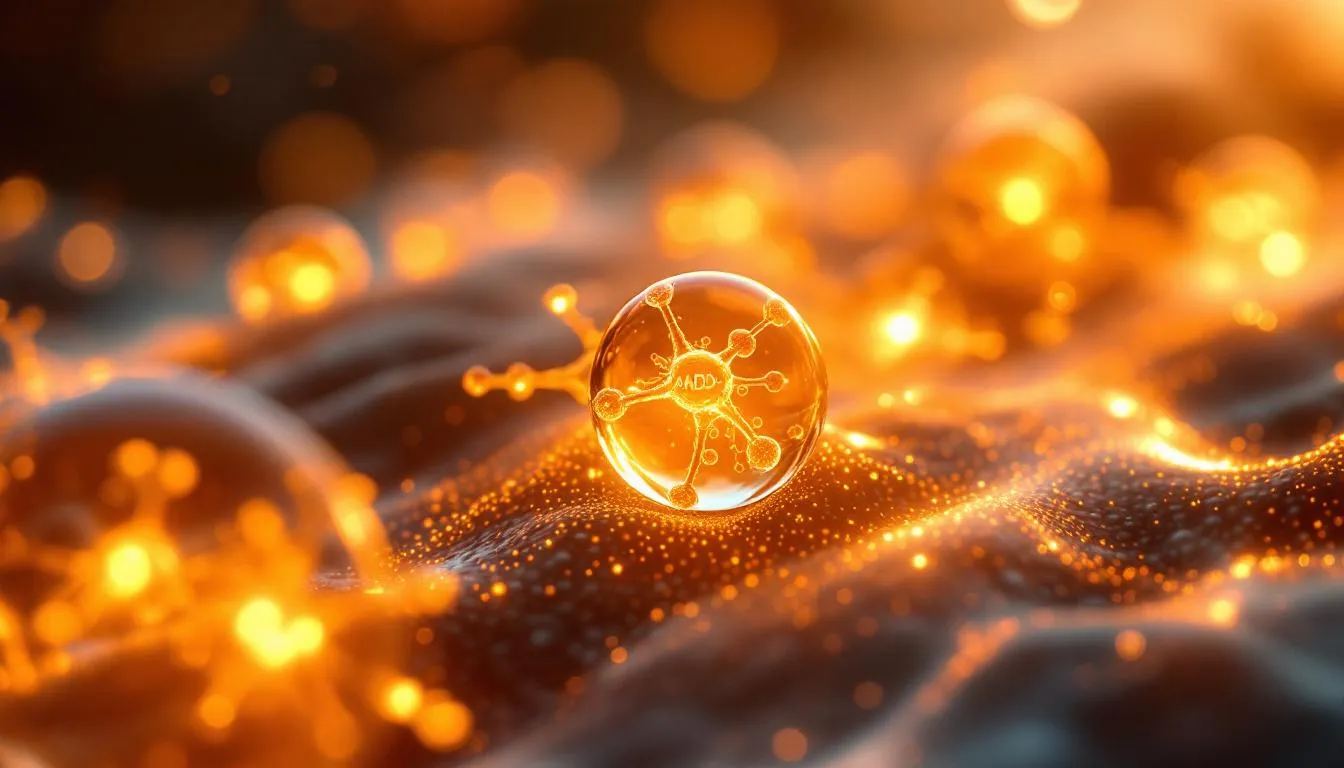
What NMN actually is
Before getting into what NMN does for your skin, it's worth being precise about what the compound is and how it works. The marketing around NAD+ precursors has gotten noisy, and the distinctions matter.
NMN is a nucleotide, a small molecule naturally present in all living cells. Your body makes it. It's found in trace amounts in food. And it sits one metabolic step away from NAD+, nicotinamide adenine dinucleotide, the coenzyme your cells need for hundreds of enzymatic reactions.
The pathway goes like this: NMN is produced from nicotinamide and a ribose sugar molecule, then converted to NAD+ by an enzyme called NMNAT (nicotinamide mononucleotide adenylyltransferase). That last step is fast. Once NMN is in your cells, it becomes NAD+ quickly.
NAD+ has two jobs that matter most for aging. First, it's a shuttle molecule in energy metabolism, carrying electrons through the process that generates ATP in your mitochondria. Second, it's a required cofactor for NAD+-consuming enzymes, particularly sirtuins (SIRT1-7) and PARP enzymes. These enzymes don't just need NAD+ as a fuel source. They literally use it up and destroy it in the process of doing their jobs. Every PARP repair reaction consumes NAD+. Every sirtuin deacetylation reaction consumes NAD+.
This is the problem that builds over decades. As your cells accumulate DNA damage with age, PARP enzymes run constantly and burn through NAD+. A surface protein called CD38, which increases with aging and inflammation, also consumes NAD+ without producing useful byproducts. The result is a chronic NAD+ deficit that gets worse year by year.
Supplementing NMN replenishes the substrate. It gives your cells what they need to run these repair and signaling processes again.
For skin, the consequences of NAD+ deficiency are specific and well-documented. And the consequences of restoring it are equally well-studied, which is what makes NMN one of the more interesting compounds to examine from a skin health perspective.
Why NAD+ decline matters for skin
Your skin cells are among the most metabolically active in your body. They divide constantly, face daily UV assault, deal with environmental pollutants, and have to maintain a tight barrier that keeps moisture in and pathogens out. All of that demands energy and repair capacity, which means it demands NAD+.
NAD+ isn't just an energy carrier in skin. It's a required cofactor for sirtuins (SIRT1, SIRT3, SIRT6), which regulate DNA repair, inflammation, and cellular senescence. It fuels PARP enzymes that fix DNA strand breaks caused by UV radiation. It activates mitochondrial repair pathways that keep skin cells energetic and capable of self-renewal.
When NAD+ falls, every one of these processes slows down. DNA damage accumulates rather than being repaired. Sirtuins become less active, which accelerates molecular aging at the gene expression level. Mitochondria in skin cells become dysfunctional, producing more reactive oxygen species and less ATP. And senescent cells, the "zombie cells" that have stopped dividing but refuse to die, start accumulating faster than your immune system can clear them.
The result isn't abstract. You can see it in the mirror. Thinner skin, reduced elasticity, more visible wrinkles, uneven tone, slower wound healing. These aren't just cosmetic issues. They reflect the actual functional state of your skin cells.
The sirtuin connection most skincare brands won't explain
SIRT1 is sometimes called the longevity enzyme. It's a NAD+-dependent deacetylase that regulates dozens of cellular processes, including collagen gene expression, UV damage response, and inflammatory signaling.
When SIRT1 is active, it suppresses collagen-degrading enzymes called matrix metalloproteinases (MMPs). These enzymes break down collagen in response to UV exposure, and they're a primary driver of photoaging. Studies in skin cells show that UV radiation activates MMPs while simultaneously suppressing SIRT1, and that restoring SIRT1 activity significantly reduces MMP expression and the resulting collagen breakdown.
NMN directly supports this. By raising NAD+ levels, it gives SIRT1 the substrate it needs to stay active. And active SIRT1 means slower collagen degradation, better UV damage response, and reduced inflammatory signaling in aged skin.
SIRT3 matters too. It's the primary mitochondrial sirtuin, and it protects skin cell mitochondria from oxidative stress. As SIRT3 activity declines with lower NAD+, mitochondrial dysfunction accelerates in skin fibroblasts, reducing their capacity for collagen synthesis and normal cell renewal.
This is fundamentally different from how most anti-aging skincare works. Retinol and AHAs work on the surface, stimulating cell turnover and exfoliation. NMN works at the enzymatic level inside the cells that make and maintain skin structure. It's not competing with your topical routine. It's working at a layer below it.
The PARP and UV damage connection
Every time your skin is exposed to UV radiation, it creates DNA strand breaks in skin cells. Your body's first responder is a group of enzymes called PARPs (poly-ADP ribose polymerases). PARPs rush to the site of damage and catalyze repair, but each repair reaction consumes NAD+.
In young skin with abundant NAD+, PARPs can handle the daily UV load. In older skin with depleted NAD+, the math gets worse: more accumulated damage, less NAD+ to fuel repair, less efficient PARP response. This is why chronological aging and photoaging tend to compound each other. It's not just that you've had more UV exposure over the years. It's that your repair capacity has declined at the same time.
NMN restores the NAD+ reserve that PARPs need. This is one of the clearest mechanistic arguments for NMN's skin benefits: you're providing the fuel for the repair system that was already there, just starved for substrate.
What the research shows
Most NMN research on skin has come from animal models and cell cultures. That's not unusual for longevity compounds, and it doesn't make the evidence weak. The mechanisms are well-understood, and the results have been remarkably consistent across different research groups and experimental designs.
The collagen studies
A study published in the journal Nutrients found that NMN treatment reversed UV-induced decreases in collagen gene expression in skin fibroblasts. Collagen type I production in NMN-treated fibroblasts was significantly higher than in controls. The effect persisted: even after NMN treatment stopped, cells maintained higher collagen levels for more than ten days. That persistence is unusual. Most interventions lose their effect within hours of being removed. The lasting collagen boost suggests NMN is doing something more than temporary stimulation.
Another key finding involves the AP-1/MAPK signaling pathway, which gets activated by UV radiation and drives collagen degradation. NMN suppresses this pathway. That means less collagen breakdown per unit of UV exposure, which directly translates to slower photoaging over time.
What makes this evidence compelling isn't any single study, it's the coherence across multiple studies. The mechanism predicts the outcome, and the outcome consistently matches.
Photoaging reversal in animal models
A well-designed study using an oral NMN protocol in UV-exposed mice showed results that get significant attention in the longevity research community. Over ten weeks, oral NMN administration significantly reduced wrinkle formation and skin surface roughness, improved skin hydration and elasticity, reduced epidermal hypertrophy (the thickening that happens in response to chronic UV damage), and preserved collagen fiber density in the dermis. Histological analysis confirmed the results weren't just surface-level. The dermal matrix itself was better preserved in NMN-treated animals.
The dose used in that study translates to roughly 250-500mg of NMN per day in humans when adjusted for body weight, which aligns with the range used in most human clinical trials.
Skin barrier function
A study published in Antioxidants found that NMN enhances skin barrier function and attenuates UV-B-induced photoaging in mice. The skin barrier, the outermost protective layer, is maintained by a group of proteins and lipids that depend on cellular energy and proper gene expression. As NAD+ declines, barrier maintenance suffers. Transepidermal water loss (TEWL) increases, skin becomes drier and more reactive, and vulnerability to environmental damage goes up.
NMN supplementation in the study restored TEWL to near-normal levels and improved the expression of barrier-related proteins. Hydration markers improved significantly. This is particularly relevant for anyone dealing with chronically dry or reactive skin.
Cellular senescence reduction
One of the most important mechanisms for skin aging is cellular senescence. Senescent cells accumulate in the dermis and epidermis as you age, releasing a cocktail of inflammatory molecules called the senescence-associated secretory phenotype (SASP). SASP signals break down collagen and elastin in surrounding tissue, impair normal cell function, and create a local inflammatory environment that accelerates visible aging.
NAD+ regulates SASP. Research shows that higher NAD+ levels reduce the inflammatory output of senescent cells, effectively making them less destructive even when the cells themselves remain. For comparison, spermidine works through a different route, activating autophagy to help clear these cells entirely. Spermidine skincare research covers that mechanism separately. Both approaches have good evidence. They're also complementary.
Oral NMN vs topical NMN
This question comes up constantly, and the answer matters for how you approach using NMN.

Oral NMN is absorbed in the small intestine, converts to NAD+ in tissue, and raises systemic NAD+ levels throughout the body including in skin cells. The skin is a major organ, but it competes with the brain, muscles, liver, and cardiovascular system for the NAD+ that oral NMN provides. That's not a problem. It's actually an advantage for systemic aging. But it means oral NMN isn't targeted specifically at skin.
Topical NMN is applied directly to the skin. The key question was always whether NMN can penetrate beyond the outermost layer, the stratum corneum, to reach the fibroblasts and keratinocytes in the dermis where the real action happens.
A study published in Antioxidants answered this. Using an artificial membrane permeation model, researchers found that NMN can penetrate skin and reach the papillary dermis. In fibroblasts isolated from the papillary dermis, topical NMN increased collagen production by up to 70%. That's a significant result. Separately, topical application contributed to eliminating old, damaged cells and accelerating skin regeneration.
Both routes work. The practical question is what you're optimizing for.
If you want systemic anti-aging benefits (energy, brain function, metabolic health, cardiovascular protection) alongside skin benefits, oral NMN is the clear choice. 500mg per day is where most of the clinical research sits.
If your primary goal is targeted skin improvement and you want to deliver high local concentrations directly to facial skin, topical NMN is worth adding. But the oral route still reaches skin cells, and the systemic benefits come along automatically.
Most people interested in NMN for longevity take it orally. The skin benefits come included.
NMN vs NR for skin
NR (nicotinamide riboside) is the other major NAD+ precursor on the market. Both raise NAD+, but they use different pathways. NMN converts to NAD+ via NMNAT enzymes. NR is first converted to NMN before becoming NAD+.
In skin cells specifically, research comparing NAD+ precursors directly in human skin fibroblasts found that NMN outperformed NR in raising intracellular NAD+ levels. The difference wasn't trivial. NMN was significantly more effective at restoring NAD+ in aged skin fibroblasts than NR was.
NR still works and has its own evidence base. But if skin is a primary concern, NMN has the edge in head-to-head comparisons in skin cells specifically.
How NMN compares to other skin-focused longevity compounds
NMN isn't the only longevity compound with solid skin evidence. It's worth knowing how the options compare so you can build a stack that actually makes sense for your goals.
NMN and glycine
Glycine is an amino acid with well-documented benefits for collagen synthesis. It's the most abundant amino acid in collagen itself, making up about 33% of collagen's amino acid sequence. As the body's ability to synthesize glycine slows with age, collagen production drops partly because the building material isn't available in sufficient quantities.
Supplementing glycine (typically 3-5g per day) directly provides the substrate for new collagen synthesis. NMN works upstream at the energy and signaling level. It doesn't provide collagen building blocks directly. What it does is activate the cellular machinery that decides whether to build collagen in the first place, and protect existing collagen from MMP-mediated breakdown.
These mechanisms stack exceptionally well. Glycine gives cells the raw material. NMN gives them the energy and SIRT1 activation to use it. Glycine dosage for anti-aging covers the specifics in depth. And glycine and taurine together is worth reading if you're building a comprehensive skin-focused stack, since taurine has its own collagen-supporting and antioxidant properties.
NMN and spermidine
Spermidine works through autophagy activation, which clears accumulated cellular debris including damaged collagen fragments, dysfunctional mitochondria, and the buildup of senescent cells. NMN works through NAD+-dependent sirtuins and DNA repair pathways. The mechanisms are complementary and mostly non-overlapping.
Spermidine skincare research shows measurable improvements in skin elasticity (around 12% in one study), collagen gene expression, and skin barrier quality in human subjects. The human clinical evidence for spermidine skin outcomes is actually ahead of NMN at the moment. NMN has stronger mechanistic evidence and more animal data, while spermidine has more human skin-specific trials.
This doesn't mean you choose one over the other. The mechanisms don't overlap, they compound. Taking both makes your skin-aging defense more comprehensive.
NMN and resveratrol
Resveratrol is a SIRT1 activator. It works on the same pathway as NMN but from a different angle. NMN provides the NAD+ fuel that SIRT1 needs to function. Resveratrol increases SIRT1's sensitivity to available NAD+. This is why David Sinclair stacks both, and why the combination gets attention in the research community.
The synergy is real. SIRT1 activated by resveratrol with ample NAD+ substrate from NMN is more effective than either compound alone. For skin specifically, this means better collagen protection, stronger UV damage response, and more robust sirtuin-mediated gene regulation in aging skin cells.
The resveratrol vs NMN question is worth working through if you're deciding where to start. Short answer: NMN has broader mechanisms and is the stronger standalone choice. If you can combine both, the stack is meaningfully more effective than either alone.
Dosage for skin benefits
Clinical trials have used a range of NMN doses, and the sweet spot for most outcomes seems to be 250-500mg per day.
For skin specifically, the animal research showing measurable outcomes used doses that translate to roughly 250-500mg human equivalent when adjusted for body weight. Human clinical trials at 250mg per day have shown approximately 38% increases in blood NAD+ levels. Higher doses (500mg+) produce larger increases. The 2023 update on NMN human clinical trials reviewed a dozen studies and consistently found favorable safety and measurable NAD+ restoration at these doses.
There are no dedicated human skin trials with defined outcome measures. But the mechanism research is solid enough to apply with confidence: more NAD+ means more sirtuin activity means better collagen protection and DNA repair in skin cells.
Practical dosing:
Most people start at 250mg per day in the morning and reassess after 6-8 weeks. If you're using NMN primarily for skin benefits alongside systemic longevity goals, 500mg is a reasonable target. There's no strong evidence that going above 1000mg per day provides proportionally more skin benefit, and the cost scales with dose.
Timing: Morning, on an empty stomach or with a small meal. NAD+ metabolism follows circadian rhythms, and morning dosing aligns with natural peaks in NAD+-dependent enzyme activity. Most studies have used morning dosing protocols. Avoid taking NMN late at night. Elevated NAD+ can interfere with sleep for some people, likely through effects on energy metabolism and SIRT1 activity.
Form: Capsules work well for most people. Sublingual NMN (dissolves under the tongue) is marketed for higher bioavailability due to bypass of first-pass metabolism, and there's some logic to that, but the evidence that it meaningfully outperforms well-formulated capsules is still limited. Both show efficacy in practice.
Before stacking multiple compounds, check interactions. Our supplement interaction checker flags any combinations worth watching, which is especially useful if you're adding NMN to an existing regimen that includes medications.
What to expect and when
This is the most important expectation to calibrate before you start: NMN doesn't produce visible skin changes in four weeks.
NAD+ restoration works at the cellular level. It improves the function of existing cells and the environment in which new skin cells are born and mature. That process takes time. The skin renews itself on a roughly 28-45 day cycle in younger adults and longer in older adults. Changes in collagen density, skin thickness, and elasticity happen over months, not weeks.

Weeks 1-4: Most people notice energy improvements and sometimes better sleep quality before they notice anything about their skin. Some people with chronically dry or reactive skin report improvement in hydration relatively early, likely from the barrier function effects. But don't expect visible changes yet.
Months 2-4: This is when skin changes start becoming noticeable for people who respond well. Skin texture tends to improve before appearance changes. Fine lines may become less pronounced in well-lit conditions. Some people report skin feeling more resilient and less reactive to environmental stressors. This is the range where the collagen protection effects start showing up.
Months 4-6 and beyond: Long-term collagen protection and reduction of photoaging accumulation. This is the timeline for meaningful changes in skin architecture. Some studies ran for ten or more weeks and the effects were still building at the endpoint, suggesting longer intervention periods produce larger outcomes.
The people who see the best skin results are the ones who stay consistent over 6-12 months and don't expect month-one transformations. Treat NMN like a long-term investment in cellular health, not a skincare product you try for a season.
Who gets the most from NMN for skin
NMN isn't equally useful for everyone. Some people have more to gain.
Age 35 and above. NAD+ decline is gradual but persistent. By 35, it's meaningful. By 45-50, it's substantial. The bigger the deficit, the more room there is for NMN to restore function. That said, starting earlier does preserve a higher baseline. Prevention is less visible than reversal, but it's still working.
People with significant sun exposure history. Photoaging is driven by UV-induced MMP activation and SIRT1 suppression. Both mechanisms are directly addressed by NMN. If you've spent years outdoors without adequate sun protection, NMN targets the underlying cellular damage that no topical product can reach.
People dealing with dry or reactive skin. The skin barrier function data is consistent across multiple NMN studies. If your skin loses moisture quickly, reacts easily, or shows signs of impaired barrier function (tight feeling after washing, sensitivity to products), restoring NAD+ levels may improve barrier integrity.
People stacking for systemic longevity. If you're already taking NMN for metabolic health, brain function, or cardiovascular reasons, the skin benefits come automatically. There's no separate "skin version" of NMN. It's the same compound doing the same thing in every tissue.
Not sure where your biological age stands or whether your current stack is working? The biological age calculator gives you a baseline to work from. And if you want a personalized protocol designed around your specific goals, the WinAging AI protocol builder creates a custom stack based on 30+ data points including your age, goals, current supplements, and health markers.
Building a skin-focused longevity stack with NMN
NMN doesn't have to work alone. The compounds with the strongest evidence for skin anti-aging target different mechanisms, which means they can be stacked without significant overlap or diminishing returns.
Core stack for skin:
NMN (250-500mg, morning) is the metabolic foundation: NAD+-dependent sirtuin activation, PARP-mediated DNA repair, collagen protection, and reduced inflammatory SASP signaling from senescent cells.
Glycine (3-5g per day) provides direct collagen synthesis substrate. Many people take it at night because glycine for sleep has solid evidence at 3g before bed. That timing covers both skin and sleep benefits simultaneously. Glycine powder bulk options are worth looking at if cost efficiency matters, since glycine is inexpensive in bulk form and easy to mix. The best time to take glycine covers timing in more detail.
Spermidine (1-4mg per day from food or supplements) activates autophagy to clear cellular debris and reduce the damage caused by accumulating senescent cells. Spermidine-rich foods cover the dietary route. Food plus supplementation is a valid combined approach. How much spermidine per day covers dosing. Women and men have slightly different considerations, covered in the spermidine benefits for women and spermidine benefits for men guides.
Taurine (1-2g per day) is increasingly recognized as a longevity compound. It supports collagen cross-linking, has antioxidant properties in skin tissue, and has a strong enough evidence base that it's been added to many anti-aging protocols. Taurine 500mg covers the basics. Taurine and glycine pair particularly well, as covered in the glycine and taurine combination guide.
For deeper optimization:
Add resveratrol to synergize with NMN through the SIRT1 pathway. The resveratrol or NMN question is answered in detail separately, but the brief version for skin is: they work together, not against each other.
Check interactions before combining. The supplement interaction checker is the quickest way to verify that your full stack is safe, especially if you're adding NMN to existing medications.
On the topical side: topical NMN is worth considering as a skin-specific complement if you're already taking oral NMN. The penetration data is promising and the collagen effect in fibroblasts was significant (up to 70% increase). Several longevity-focused skincare brands now include NMN in concentrated serums. It doesn't replace oral dosing, but for targeted facial application it adds a local concentration boost that systemic supplementation alone can't match.
NMN brand quality: what actually matters
Not all NMN supplements are equivalent. Purity, stability, and dose accuracy vary considerably across the market.
NMN is an unstable molecule. It degrades at room temperature and with exposure to moisture. Quality products use dark glass or opaque packaging, keep per-capsule doses at a level that minimizes degradation between openings, and provide third-party certificates of analysis (COA) for purity and heavy metal testing.
Several brands have been reviewed on the research and quality side: Rokit America NMN, FromBio NMN 57600, and Alphacell Pure NMN 500mg each cover specific products in detail if you want to compare formulations and evidence.
General markers of a quality NMN supplement: a current COA available from the manufacturer, stability testing data (NMN degrades, and manufacturers who've tested for it know how to prevent it), either capsule form with moisture protection or sublingual form for faster uptake, and dosing that matches research protocols (250-500mg per serving, not underdosed or arbitrarily combined with other ingredients that might affect stability).
When you're investing in a compound with real research behind it, it's worth buying from manufacturers who take purity seriously. Cheap NMN from unknown sources often doesn't survive long enough at full potency to deliver what's on the label.
The honest picture
NMN for skin isn't a miracle. It's not going to reverse decades of photoaging in six weeks. Anyone promising that is selling something the research doesn't support.
What NMN does is restore the underlying cellular machinery that makes skin repair, renewal, and protection work. Better DNA repair after UV exposure. More active sirtuins that protect collagen from degradation. Reduced inflammatory output from senescent cells. Stronger skin barrier function. These are real mechanisms with real research behind them.
The best results come from consistency, realistic timelines, and pairing NMN with other compounds that target complementary pathways. Glycine for collagen substrate. Spermidine for cellular cleanup. Taurine for structural and antioxidant support. Adequate sleep, where much of the actual cellular repair happens. And sun protection so you're not constantly generating new UV damage faster than NMN can help repair it.
NMN handles the energy and signaling layer of skin aging. Your job is to give it the right environment to work.
Frequently asked questions
Does NMN actually help skin aging?
Yes, based on animal studies and cell research. NMN raises NAD+ levels that decline with age, which supports collagen synthesis, reduces UV-induced collagen breakdown via SIRT1 activation, improves skin barrier function, and reduces inflammatory damage from senescent cells. Human skin trials with defined outcome measures are still limited, but the mechanisms are well-established across multiple independent studies.
How long before I see skin results from NMN?
Most people don't see visible changes until 3-6 months of consistent use. The early effects (weeks 1-4) are more likely to be energy and sleep improvements. Skin changes happen on the timescale of collagen turnover and barrier renewal, which takes months. Consistency matters more than dose.
Can I use topical NMN with oral NMN?
Yes, and they target slightly different things. Oral NMN raises systemic NAD+ throughout the body. Topical NMN provides high local concentrations directly in skin cells in the area you apply it. A study confirmed that NMN penetrates to the papillary dermis and increases collagen production in fibroblasts by up to 70%. Using both gives you systemic plus targeted benefits.
What's the best dose of NMN for skin?
The animal research showing skin benefits translates to roughly 250-500mg human equivalent. Most clinical trials use 250-500mg per day. Start at 250mg, assess after 4-6 weeks, and move to 500mg if you want stronger effects. There's no clear evidence that higher doses improve skin outcomes proportionally.
Is NMN better than spermidine for skin?
They work differently and stack well together. Spermidine activates autophagy to clear cellular debris and reduce the damage caused by senescent cells. NMN raises NAD+ for sirtuin activation, DNA repair, and collagen protection. The human clinical evidence for skin elasticity improvements is currently stronger for spermidine, but NMN has broader systemic longevity benefits. Most comprehensive anti-aging protocols include both. The spermidine skincare guide has the full breakdown.
Does NMN help with dry skin?
It can. NAD+ is involved in skin barrier function, and studies show that NMN improves the expression of barrier-related proteins and reduces transepidermal water loss in UV-damaged skin. If your skin is chronically dry or reactive, improved barrier function may be one of the earlier improvements you notice.
Can I stack NMN with glycine?
Absolutely, and it's one of the better combinations for skin anti-aging. NMN works at the energy and signaling level, activating the machinery that decides whether to build collagen and protecting existing collagen from degradation. Glycine provides the amino acid substrate that collagen is actually made from. The mechanisms are complementary. See glycine dosage for anti-aging for guidance on the glycine side of that combination.
Should I take NMN in the morning or evening?
Morning. NAD+ metabolism follows circadian rhythms, and most studies have used morning dosing protocols. Taking NMN late at night can interfere with sleep for some people, likely through effects on energy metabolism and SIRT1 activity that counteract the natural signaling that winds down wakefulness.
How does NMN affect collagen specifically?
NMN raises NAD+, which activates SIRT1. Active SIRT1 suppresses MMP enzymes that break down collagen in response to UV exposure. Separately, NMN suppresses the AP-1/MAPK signaling pathway that drives collagen degradation. And it provides the energy substrate for fibroblasts, the cells that synthesize new collagen, to function properly. The effect on collagen is multi-layered, not single-mechanism.
Is there an age when it's too late to start NMN for skin?
No. The mechanisms don't have an age cutoff. NAD+ restoration benefits skin cell function regardless of when you start. Starting at 60 gives you less runway than starting at 40, but the biological effects operate the same way. Earlier is better for prevention, but later is still valuable for function and repair.
Related guides
- Spermidine skincare: what the science actually shows
- Glycine dosage for anti-aging: what the research supports
- Resveratrol or NMN: which one is worth your money?
- Supplement interaction checker
- Spermidine-rich foods: the complete dietary guide
Sources
- Beta-Nicotinamide Mononucleotide Enhances Skin Barrier Function and Attenuates UV-B-Induced Photoaging in Mice, Antioxidants 2024
- The Safety and Antiaging Effects of Nicotinamide Mononucleotide in Human Clinical Trials: an Update, PMC 2023
- Permeation of Nicotinamide Mononucleotide in an Artificial Membrane as a Cosmetic Skin Permeability Test Model, PMC 2025
Your skin's long-term quality depends on what's happening inside the cells, not just on the surface. NAD+ is the molecule that keeps those processes running. NMN is the most direct way to restore it as you age. Explore the free tools at WinAging or build a personalized protocol with the AI protocol builder.