NMN before and after: what the research shows
What actually happens when you take NMN? Real clinical results, timelines, measurable biomarker changes, and dosage guide based on the latest human trials.

Most people start NMN with one question in mind: will I actually notice anything?
It's a fair question. Longevity supplements are full of promises. And NMN, despite being one of the most-studied NAD+ precursors available, still gets lumped in with generic anti-aging hype. But NMN has something most longevity compounds don't: a growing stack of human randomized controlled trials showing real, measurable changes. Not just in mice. In people.
This article walks through what those trials actually found. What changes, what doesn't, when you can expect to notice something, and how to set realistic expectations based on your age, dose, and goals. We're not going to oversell it. And we're not going to dismiss it either.
Here's what the evidence says.
Why NAD+ matters before we get to NMN
You can't understand NMN's effects without understanding what it's trying to fix.
NAD+ (nicotinamide adenine dinucleotide) is a coenzyme found in every cell in your body. It does a lot of things, but the big ones are: powering mitochondria to make ATP, activating sirtuins (proteins often called longevity genes), and enabling DNA repair enzymes called PARPs. Without adequate NAD+, cells struggle to produce energy, repair damage, or regulate gene expression properly.
The problem is that NAD+ declines with age. Significantly. By age 50, intracellular NAD+ levels are roughly 50% of what they were at 20. By age 80, some tissues may have as little as 10% of youthful levels remaining. This decline happens for multiple reasons: an enzyme called CD38 becomes more active as we age and degrades NAD+ faster, DNA repair enzymes consume more of it as cumulative damage increases, and the key biosynthesis enzyme NAMPT declines in activity.
The practical result is that aging cells have less fuel for everything that matters. Energy production drops. DNA repair slows. Mitochondria become less efficient. Sirtuins, which depend on NAD+ as a substrate, can't do their job properly.
NMN's role is simple in theory. It's a direct precursor to NAD+, sitting just one biochemical step away. Take enough of it, and your body converts it to NAD+, raising levels in blood and tissues. That's the core mechanism. Whether raising NAD+ actually translates to meaningful health outcomes in humans is what the clinical trials are starting to answer.
WinAging tracks the research so you don't have to read 40 papers to get the picture. This is what the data looks like today.
What changes before and after: the clinical evidence
Let's go through what the trials actually measured and found. Not animal studies. Not cell culture. Human RCTs.
Energy and physical performance
This is the most consistently replicated finding across NMN trials. And it shows up in multiple ways.
The multicenter Japanese RCT published in 2023 enrolled 80 healthy middle-aged adults and randomly assigned them to 300 mg, 600 mg, or 900 mg of NMN per day, or placebo, for 60 days. The results: all three NMN doses significantly raised blood NAD+ concentration compared to baseline and placebo at day 30 and day 60 (p ≤ 0.001 across the board). Six-minute walking distance improved significantly at both timepoints in all treatment groups. SF-36 quality-of-life scores were better in the 600 mg and 900 mg groups. No adverse events. All 80 participants completed the trial.
A separate 12-week RCT in older adults (60 participants, 250 mg/day) found significantly improved 4-meter walking time compared to placebo. Meaning older adults walked measurably faster after 12 weeks of NMN.
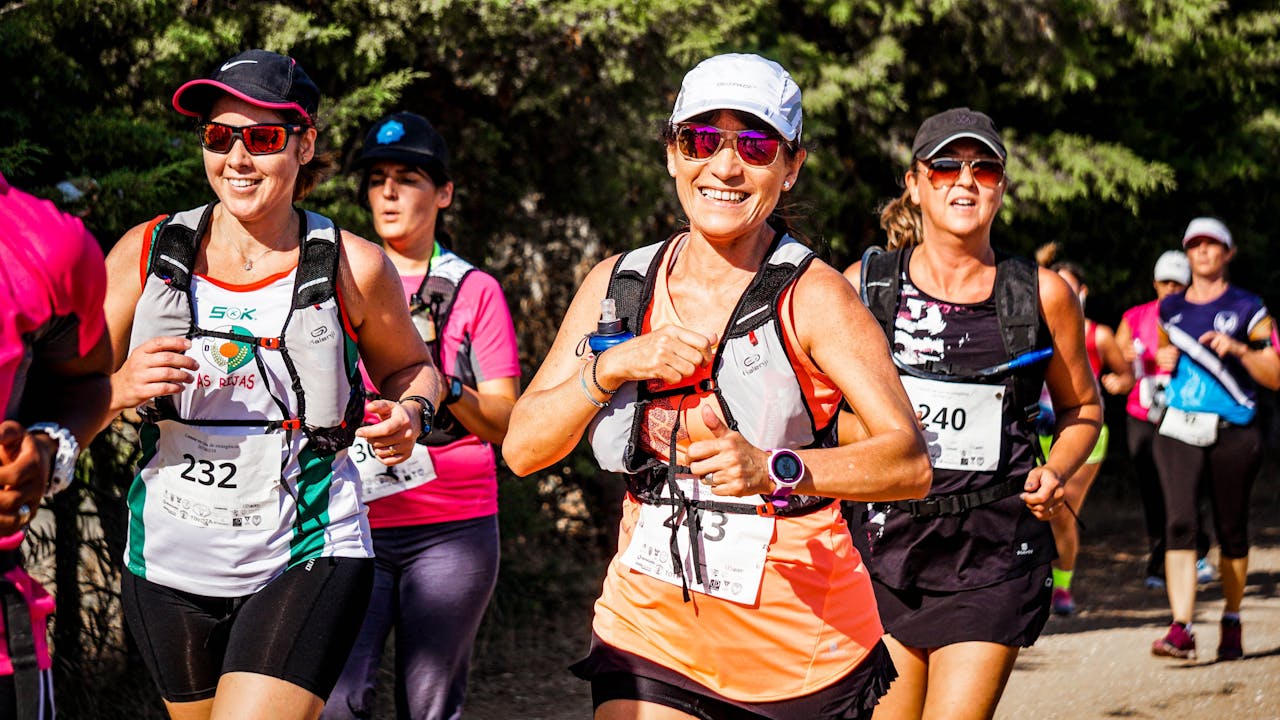
And then there's the aerobic performance trial, which enrolled 48 recreationally trained runners and randomized them to 300 mg, 600 mg, or 1200 mg/day for 6 weeks. The 600 mg and 1200 mg groups showed improved oxygen utilization: higher percentages of VO2max, and improved power at the first and second ventilatory thresholds. This wasn't a cardiovascular effect; it was happening in skeletal muscle, at the level of how efficiently muscles use oxygen. For anyone who trains, that's a meaningful finding.
A 2025 meta-analysis pooling nine RCTs (412 participants) found statistically significant improvement in gait speed (SMD 0.34 m/s, p=0.033) and positive effects on muscle mass in middle-aged and elderly populations.
The pattern is clear: NMN consistently improves physical performance markers in adults 40 and older, and in trained athletes. It doesn't turn you into a different person. But it moves the needle on real, measurable metrics. Want to see where you currently stand? Use WinAging's biological age calculator to get a baseline before you start.
Sleep quality
This is one of the more surprising findings. The same 12-week trial in older adults measured sleep using the Pittsburgh Sleep Quality Index. NMN supplementation produced statistically significant improvements in daytime dysfunction and global sleep quality scores.
Mechanistically, it makes sense. NAD+ is tied to circadian rhythm regulation. The SIRT1 protein, which NAD+ activates, plays a direct role in regulating the molecular clock genes that govern your sleep-wake cycle. Low NAD+ disrupts this system. Restoring it appears to help some people, especially older adults whose circadian regulation naturally weakens.
Not everyone notices better sleep. The effect is real but modest, and it may take several weeks to manifest. If you're going to try NMN for sleep, take it in the morning rather than the evening. More on timing below.
Insulin sensitivity and metabolic health
The Washington University trial led by Shin-ichiro Imai enrolled postmenopausal women with prediabetes (overweight or obese), gave them 250 mg/day of NMN for 10 weeks, and measured detailed metabolic markers. Results: significantly improved muscle insulin sensitivity, measured via a euglycemic-hyperinsulinemic clamp. NAD+ content increased in both peripheral blood mononuclear cells and skeletal muscle tissue. Genes related to muscle remodeling were upregulated.
This was the first direct human evidence that NMN improves insulin signaling in muscle. For people with metabolic dysfunction, this matters.
But here's the catch: a 2024 meta-analysis of eight RCTs found no significant improvement in fasting glucose, HbA1c, insulin, or lipid profiles across generally healthy populations at doses ranging from 250 mg to 2000 mg over 14 days to 12 weeks. The metabolic benefits appear most pronounced in people who already have metabolic problems, not in healthy people who don't.
This is a pattern worth understanding. NMN tends to move things that are abnormal back toward normal. If your metabolism is already working well, the effect will be smaller.
Biological age
The multicenter trial tracked biological age using blood-based biomarker algorithms. Over 60 days, the placebo group showed a statistically significant increase in biological age. All three NMN groups: 300 mg, 600 mg, and 900 mg per day, showed no increase in biological age. That's not a dramatic reversal. But it is meaningful: NMN appeared to prevent the biological age drift that occurred in the control group over the same period.
This is one trial of 80 people, so it's not the final word. But it's the kind of finding that makes NMN stand out from most supplements, which have no data on this metric at all.
WinAging's biological age calculator lets you estimate your biological age from lifestyle inputs. If you're serious about tracking your NMN results, get a baseline before you start and retest after 60-90 days.
Skin and cognition
Anecdotally, many NMN users report improved skin texture, better mental clarity, and sharper focus. Mechanistically, there are plausible pathways for both: SIRT1 regulates skin cell turnover and UV protection, and NAD+ is critical for neuronal energy and function.
But there are no dedicated human RCTs confirming these benefits yet. The evidence is extrapolated from mechanism and animal studies, plus user reports. That's not nothing, but it's a different category of evidence. Be honest with yourself about the distinction.
The timeline: what to expect week by week
One of the most common questions about NMN is when you'll notice something. Here's what the clinical data suggests, mapped onto a realistic timeline.
Week 1-2
This is the most subtle phase. NAD+ blood levels start rising quickly, often within hours of a single dose based on pharmacokinetic data. But the effects at the cellular level take time to accumulate. Most people notice nothing in the first two weeks. Some report slightly better energy or marginally improved sleep, but this is highly variable. Don't judge NMN on two weeks.
What is happening underneath: your NAD+ metabolite levels in plasma are rising in a dose-dependent way. The biochemistry is working. You just can't feel it yet.
Weeks 2-4
Energy improvements start becoming noticeable to some users. Exercise recovery may improve. People often describe it as "baseline energy feels higher" rather than a stimulant effect. There's no buzz, no crash. Just more of the fuel your cells need to run.
The multicenter trial saw early trends in walking performance by day 30. That's roughly the 4-week mark. Some improvements are happening; they're just not yet maximized.
Month 1-2
This is when results become consistent in the trial data. In the multicenter RCT, blood NAD+ was significantly elevated at day 30 in all dose groups. Six-minute walking distance was significantly better. Quality-of-life scores improved. The biological age data showed the treated groups holding steady while the placebo group drifted.
If you're going to notice anything, you'll likely notice it by week 6-8. Exercise performance, energy levels, and sleep quality are the most commonly reported areas. Check your supplement stack for any interactions with our supplement interaction checker before making changes at this point.
Month 3
The 12-week trials show the most robust results at this timepoint. Sleep quality improvements are clearer. Walking speed improvements in older adults are statistically significant. If you're tracking biomarkers, blood NAD+ metabolites should be measurably elevated from baseline.
This is also a good time to actually test your NAD+ levels if you're curious about what's happening quantitatively. Companies like Jinfiniti offer blood spot tests that can give you a direct measurement.
Month 6+
Longer-term data is thinner. A 24-week trial in diabetic older adults using 250 mg/day showed trends toward improved frailty scores but didn't reach statistical significance. The honest answer is that we don't have great long-term RCT data past 12 weeks for most outcomes.
What we do know: the cellular mechanisms NMN supports, including mitochondrial health and DNA repair, are chronic processes. They take time and consistency. Six months of daily NMN at an appropriate dose is more likely to produce meaningful cumulative benefit than 4-6 weeks.
Why your results will differ from someone else's
Here's something the supplements industry almost never tells you: the variability in NAD+ response to NMN is enormous.
A 2024 meta-analysis by Benjamin and Crews found that the coefficient of variation in NAD+ response within dosage groups ranged from 29.2% to 113.3%. That means two people taking the exact same dose for the same duration can end up with NAD+ increases that differ by a factor of two or more. Some people are exceptional responders. Some barely move.
The key factors driving this variability:
Gut microbiome. Some gut bacteria process NMN differently, either breaking it down before absorption or metabolizing it into useful or less useful forms. Since gut microbiome composition varies dramatically between individuals, so does NMN absorption.
Genetics. Variations in the genes encoding the NMN transporter (SLC12a8), the biosynthesis enzymes (NAMPT, NMNAT), and the degradation enzyme (NNMT) all affect how efficiently your body handles NMN.
Age and baseline NAD+ levels. People starting with lower NAD+ have more room to improve. Someone at 60 with heavily depleted NAD+ will typically see a larger absolute increase than a 35-year-old with adequate levels.
Lifestyle. Exercise independently boosts NAMPT and endogenous NAD+ production. If you already train consistently, your baseline is higher and the relative gain from supplementation is smaller. Alcohol, poor sleep, and obesity all increase NAD+ consumption via PARP activation (cellular stress and DNA damage). People with these habits are consuming more NAD+ and may see greater benefit from replenishment.
Dosage. This is the most controllable variable. Clear dose-response relationships exist in the data. More on this below.
The practical takeaway: don't assume NMN doesn't work because a friend saw dramatic results and you didn't, or vice versa. The individual variation is real and largely outside your control. What you can control is dose, consistency, timing, and pairing with exercise.
Dosage: what the trials support
This is where a lot of consumer NMN use goes wrong. People take 100-250 mg/day because that's what their supplement label says and because early trials used lower doses. But the multicenter dose-finding trial specifically identified 600 mg/day as the optimal dose for blood NAD+ elevation and physical performance in middle-aged adults.
Here's how to think about dosing based on the evidence:
100-250 mg/day: Measurably raises NAD+ metabolites and is safe (established in multiple trials). Appropriate as a starting dose to assess tolerance, or for adults under 40 with adequate baseline levels. The 12-week sleep and walking improvement trial used 250 mg/day. Results at this dose are real but modest.
300-500 mg/day: The most common consumer dose. In the multicenter trial, even 300 mg/day produced significant improvements in NAD+ levels and physical performance. A reasonable middle ground for most adults 40-60.
600 mg/day: The dose identified as optimal in the multicenter trial for both blood NAD+ concentration and physical performance. If you're 40+ and serious about results, this is probably the right target dose. The trial found that "clinical efficacy reached its highest at a dose of 600 mg daily."
900-1200 mg/day: Continues to elevate NAD+ but with diminishing returns beyond 600 mg in the metabolic data. The aerobic capacity trial in trained runners showed 1200 mg/day improved exercise performance specifically. This range may benefit high-performance athletes or people with significantly elevated NAD+ consumption.
1250 mg/day or higher: Safety established in a 4-week RCT at 1250 mg/day, with no serious adverse events. But there's no clear efficacy advantage over 600-900 mg/day for most outcomes. Primarily relevant to research contexts.
A practical age-based framework:
- Ages 30-40: 300 mg/day
- Ages 40-60: 500-600 mg/day
- Ages 60+: Start at 250 mg, assess tolerance, then consider increasing to 500 mg
- Athletes seeking performance benefits: 600-1200 mg/day
Best forms and timing
Capsules vs. sublingual: Standard oral capsules are absorbed in the small intestine and work well. The pharmacokinetic data confirms dose-dependent increases in NAD+ metabolites in plasma even with capsule delivery. Sublingual powder or tablets dissolve under the tongue and absorb directly into the bloodstream, bypassing first-pass GI breakdown. This may produce a faster plasma rise and potentially higher bioavailability. No rigorous head-to-head RCTs have compared these delivery forms directly in humans, but the pharmacokinetic rationale for sublingual being faster is sound.
Timing: NMN activates SIRT1, which is regulated by circadian rhythms. David Sinclair and other researchers recommend taking NMN in the morning to align with natural SIRT1 activity patterns. It also avoids the potential for sleep disruption that some users report when taking NMN too late in the day.
With food or fasted: Animal data suggests fasted absorption may be slightly better, but there's limited human data. If you experience nausea, take it with a light meal. Most people tolerate NMN well on an empty stomach.
What NMN won't do
Managing expectations matters. Here's what the evidence clearly doesn't support at standard doses and durations:
NMN won't produce dramatic, rapid visible changes. The effects are metabolic and cellular, building over weeks and months, not days. Anyone reporting a dramatic transformation in two weeks is either a very high responder, experiencing a placebo effect, or stretching the truth.
It won't fix your lipid profile. The 2024 meta-analysis across eight trials found no significant improvement in fasting glucose, fasting insulin, HbA1c, or lipid panels in healthy populations. If your metabolic markers are normal, NMN isn't going to meaningfully change them. The metabolic benefits appear reserved for people who already have dysfunction to fix.
It won't substitute for lifestyle. NMN amplifies what good habits are already doing. Exercise, consistent sleep, a reasonable diet: these independently boost NAD+ and work synergistically with supplementation. NMN alone on top of poor habits produces mediocre results.
It won't cure or prevent disease. The evidence for NMN improving cognitive decline, treating cardiovascular disease, or preventing cancer in humans doesn't exist yet. These are animal findings or hypotheses, not proven clinical outcomes.
And it won't show results if you take it sporadically. NAD+ levels build with consistent daily supplementation. Random use produces random results.

Who sees the best results
The clinical data points to specific populations as the clearest beneficiaries.
Adults 40-65. This is the sweet spot. NAD+ decline is meaningful by 40, significant by 50, and dramatic by 60. The multicenter trial specifically targeted healthy middle-aged adults in this range and produced the strongest results. If you're in this group and want to track changes properly, run a biological age assessment before and after. WinAging's biological age calculator is a good starting point.
People with metabolic challenges. The prediabetic women's trial showed the most impressive metabolic outcomes. Insulin sensitivity improvements, gene expression changes in muscle, measurable NAD+ increases in skeletal muscle tissue. If you have metabolic syndrome, prediabetes, or insulin resistance, you have more to gain from NMN than a metabolically healthy person.
Recreationally trained athletes. The aerobic capacity trial specifically enrolled runners, and the improvements in oxygen utilization and ventilatory thresholds were meaningful. NMN paired with regular exercise appears to be particularly synergistic, likely because exercise upregulates the same mitochondrial and energy-production pathways that NMN supports.
People with confirmed low NAD+ levels. If you test your NAD+ and find it's depleted, you have a clear biological target for NMN. You'll have more room to improve and can track the response quantitatively.
People who see fewer results: generally healthy adults under 35, people who don't exercise, and those who get poor sleep, drink heavily, or eat a highly inflammatory diet without addressing those factors first.
Side effects: what the trials found
The safety profile across all published NMN trials is genuinely good.
The phase 1 safety study in healthy Japanese men tested single doses of 100 mg, 250 mg, and 500 mg and found no adverse effects, no changes to vital signs, and no clinically significant lab abnormalities.
The 60-day multicenter trial in 80 adults (300-900 mg/day) reported zero adverse events. All 80 participants completed the trial.
The high-dose safety trial tested 1250 mg/day for 4 weeks in healthy adults aged 20-65 and found no severe adverse events and no clinically relevant changes in any blood or urine markers.
That's the trial data. But anecdotally, some users report:
Nausea or GI discomfort, particularly at higher doses or on an empty stomach. Usually resolves by taking it with food or splitting the dose.
Headaches, sometimes reported when starting NMN, especially at higher doses. Often transient as the body adjusts.
Flushing, occasionally reported. This is more common with niacin (nicotinic acid) and rare with NMN, but it does happen in some people.
Sleep disruption, reported by users who take NMN in the afternoon or evening. Taking it in the morning avoids this in most cases.
The homocysteine/methylation concern: This one is worth explaining. NMN gets converted to NAD+, and the nicotinamide produced in that process gets methylated for excretion. At higher doses, especially 600 mg/day and above, this could theoretically consume methyl groups and raise homocysteine levels. No published RCT has confirmed clinically significant homocysteine elevation from NMN supplementation at these doses, so the concern remains theoretical. But it's not unreasonable, and the standard mitigation is simple: take TMG (trimethylglycine) alongside your NMN to replenish methyl groups. More on this below.
Stacking NMN: what to combine it with
NMN works well on its own. But certain combinations are backed by either direct trial data or solid mechanistic rationale.
NMN + TMG
This is the most recommended co-supplement, and it addresses the methylation concern above. TMG (trimethylglycine, also called betaine) donates methyl groups to support the methylation pathways that process nicotinamide. A typical pairing is 500-1000 mg TMG per 500-600 mg NMN.
TMG has its own benefits beyond supporting NMN: it supports liver health, helps regulate homocysteine levels independently, and has shown performance benefits in some exercise research. David Sinclair publicly includes TMG in his personal NMN protocol. You can read about TMG specifically in our TMG guide, which covers the research in detail.
NMN + resveratrol
Sinclair's most-publicized stack: NMN plus resveratrol, taken together in the morning. The rationale is that resveratrol activates SIRT1 while NMN provides the NAD+ that SIRT1 needs as a co-factor. The analogy he uses: NMN is the fuel, resveratrol is the engine activator.
The human evidence for this specific combination is limited. Most of the supporting data comes from animal models. But the mechanistic logic is sound, and both compounds are safe. If you want to try this combination, resveratrol has poor bioavailability when taken on its own, so take it with a fat source (olive oil is the most practical).
We looked at this question in depth in resveratrol or NMN if you had to choose one, which walks through the evidence for both compounds head to head. The short answer: they address overlapping but not identical pathways, and there's a reasonable case for combining them.
NMN + exercise
Not a pill, but the most evidence-supported "stack" of all. The aerobic capacity trial in runners showed NMN specifically enhanced skeletal muscle oxygen utilization during exercise. Exercise independently boosts NAMPT, the rate-limiting enzyme in NAD+ biosynthesis. The combination is synergistic in the data and intuitively logical: you're hitting the NAD+ system from both ends simultaneously.
If you're going to take NMN seriously as a performance tool, pair it with consistent aerobic training. Take it 30-60 minutes before your workout if using it for performance.
NMN + CoQ10
Both support mitochondrial function via different pathways. NMN works through NAD+ and sirtuins; CoQ10 is a direct electron carrier in the mitochondrial electron transport chain. Potentially complementary. No head-to-head trial has tested this combination, but many longevity protocols include both.
Want to check whether any of your current supplements interact with NMN before adding it? Use the WinAging supplement interaction checker to verify your stack is clean before you start.
NMN vs NR: does it matter which you take?
NMN and NR (nicotinamide riboside) are often compared because both are NAD+ precursors and both have human clinical data. We covered this in detail in NAD+ vs NMN: which is better, but the quick version:
NMN sits one step closer to NAD+ in the biosynthesis pathway than NR. NR requires an additional enzymatic step (NRK1 or NRK2) that NMN doesn't. A dedicated NMN transporter (SLC12a8) has been identified in the intestine, though there's ongoing debate about whether NMN is taken up directly or first converted to NR before absorption.
A 2026 Nature Metabolism study compared three NAD+ boosters (nicotinamide, NR, and NMN) and found they produce different effects on circulatory NAD+ and gut microbial metabolism, suggesting they're not completely interchangeable.
The practical answer: both raise NAD+. The human trial data is stronger and more numerous for NMN in recent years. Cost is roughly comparable. If you're choosing one, NMN is a reasonable default based on available evidence.
Common questions people ask about NMN
How quickly does NMN raise NAD+ levels?
Fast. Pharmacokinetic data from the phase 1 safety study shows that NAD+ metabolites rise in plasma within a few hours of a single oral dose. You're raising NAD+ very soon after taking it. The question is whether that biochemical change translates to noticeable effects, which takes longer.
Should you cycle NMN?
No human trial data exists specifically addressing NMN cycling. The basic argument for cycling (giving receptors a break) doesn't apply the same way to NMN as it might to receptor-binding compounds like stimulants. NMN works by replenishing a substrate (NAD+), not by binding to a receptor. Most longevity protocols treat it as a daily supplement. David Sinclair takes it daily without reported cycling.
Can you take too much NMN?
Based on trial data, very high doses are well-tolerated. 1250 mg/day for 4 weeks produced no serious adverse events. That said, higher doses don't necessarily produce better outcomes, and the methylation concern at high doses is worth taking seriously. Taking TMG alongside 600 mg/day and above is a reasonable mitigation.
Does NMN help with brain fog?
Anecdotally common. Mechanistically plausible (neuronal energy demands are high, and NAD+ is critical for brain metabolism). But there are no dedicated human RCTs confirming cognitive improvement from NMN supplementation yet. If you're building a longevity stack with cognitive goals, consider compounds with more direct cognitive evidence alongside NMN.
Can women take NMN?
Yes. The prediabetic women's trial was specifically conducted in postmenopausal women and showed significant metabolic improvements. Most other trials included both sexes. There's no contraindication for women.
What's the best brand of NMN?
The critical factors: purity, third-party testing, and dose accuracy. The FDA's investigational new drug classification for NMN (in late 2022) has created a complicated US retail landscape, so sourcing matters. Look for brands with certificates of analysis from independent labs. We've reviewed several brands on WinAging including Rokit America NMN, frombio NMN 57600, and AlphaCell Pure NMN 500mg. Each has a full breakdown of quality, dose accuracy, and value.
Does NMN improve skin?
Plausible but unproven in human trials. SIRT1, which NAD+ activates, plays a role in skin cell turnover and UV damage protection. NMN appears in skincare products specifically for this reason. We covered this in NMN skincare: the research. The evidence is mechanistic and early-stage. If skin benefits are your primary goal, skincare-specific NMN formulations may be more appropriate than oral supplements.
How to know if NMN is working
This is practical and important. Here's what to actually track.
Physical performance markers: Walk time, six-minute walk distance, and exercise recovery are the most reliably studied endpoints. If you're exercising regularly, note how quickly you recover between sessions. If you're older, pay attention to your walking pace and how your legs feel after moderate exertion.
Sleep quality: Use the Pittsburgh Sleep Quality Index (freely available online) to score your sleep at baseline and after 12 weeks. The trial used this as the primary sleep outcome.
Blood NAD+ levels: This is the most direct measure of whether NMN is actually raising your NAD+. At-home blood spot tests are available and give you a quantitative before/after comparison. Helpful if you want to optimize your dose or confirm you're not a non-responder.
Biological age: Get a baseline estimate using WinAging's biological age calculator, then retest after 60-90 days. The multicenter trial showed biological age stabilization at 60 days.
Subjective energy: Keep a simple log. Rate your energy out of 10 each morning for 4-8 weeks before and after starting NMN. You'll see the trend more clearly than trying to rely on memory.
Not sure what your full longevity stack should look like given your goals and current health picture? WinAging's AI protocol builder designs a personalized protocol based on your age, goals, and experience level. NMN fits into a larger system, and the builder can help you structure it properly.
The honest summary
NMN is one of the most-researched longevity compounds currently available to consumers. The clinical evidence for it raising NAD+ levels is essentially uncontested. The evidence for improving physical performance, particularly in adults 40 and older, is solid across multiple trials. Sleep quality improvement has at least one well-designed RCT behind it. Insulin sensitivity improvement in metabolically challenged individuals has strong mechanistic support.
What it won't do: produce overnight transformations, fix metabolic markers in healthy people who don't need fixing, substitute for exercise and sleep, or work without consistency.
The optimal dose based on current evidence is 600 mg/day for adults 40-60. Pair it with TMG to support methylation. Add exercise to amplify the effect. Track your results over 60-90 days rather than expecting changes in two weeks.
And if you want to understand where your biology sits right now before you start, use the biological age calculator to get a baseline. Supplement your stack with intention, not just hope.
Related guides
- Why I stopped taking NMN (and why some people should)
- NAD+ vs NMN: which is the better precursor
- Resveratrol or NMN: if you had to choose one
- TMG: what it does and who should take it
- Supplement interaction checker
Sources
- Yi L, et al. (2023). Nicotinamide mononucleotide: exploration of diverse therapeutic applications of a potential molecule. Biomolecules. PMID 36482258.
- Yoshino M, et al. (2021). Nicotinamide mononucleotide increases muscle insulin sensitivity in prediabetic women. Science. PMID 33888596.
- Fukamizu Y, et al. (2022). Effects of oral nicotinamide mononucleotide on clinical parameters and nicotinamide metabolite levels in older adults. npj Aging. PMID 38789831.