Spermidine benefits for women: what the science shows
Discover how spermidine supports women's health at every age, from hair growth and skin renewal to fertility, hormone balance, and Alzheimer's prevention.
Most longevity research was done on men. Male mice. Male volunteers. Male centenarians. And while the basic biology of cellular aging is the same across sexes, the experience of getting older is not. Women face a fundamentally different aging trajectory: the hormonal cliff of menopause, a significantly higher lifetime risk of Alzheimer's disease, distinctive patterns of hair loss, and a cardiovascular risk profile that changes dramatically in the decade after estrogen disappears.
Spermidine has emerged as one of the few longevity compounds with growing women-specific evidence. Not just generic "good for aging" claims, but research on female fertility, post-menopausal heart protection, female-pattern hair loss, and hormonal cortisol regulation. The data is still maturing, as it is for most longevity compounds. But the mechanistic case is unusually solid, and the safety profile is excellent.
This guide covers what spermidine actually does in the body, why it matters specifically as women age, and where the evidence is strong enough to act on versus where it's still preliminary. We also cover dosing, food sources, safety caveats for women, and how to stack it intelligently with other longevity compounds.
WinAging curates the longevity research that's worth your time. This is the full picture on spermidine for women.
What spermidine does and why it matters
Before getting to women-specific benefits, the mechanism is worth understanding. Because if you understand what spermidine actually does, everything else makes sense.
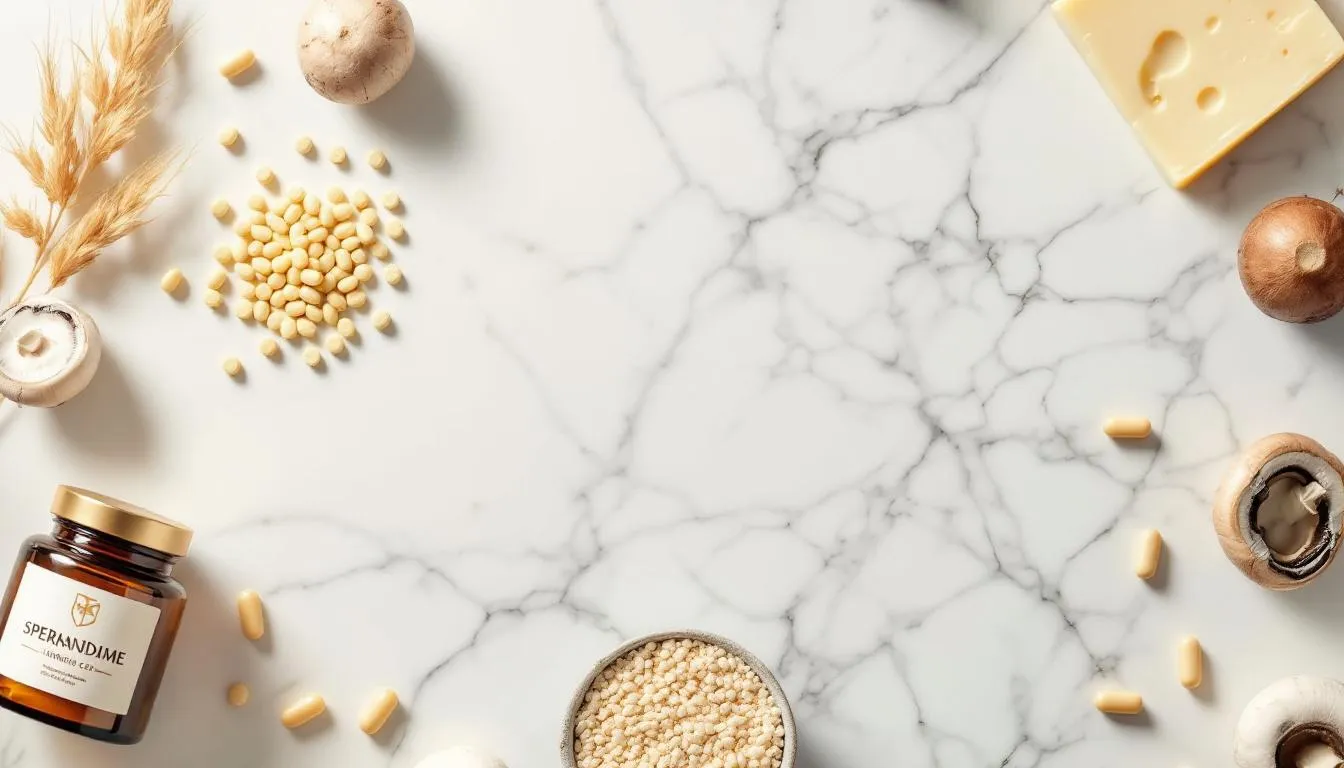
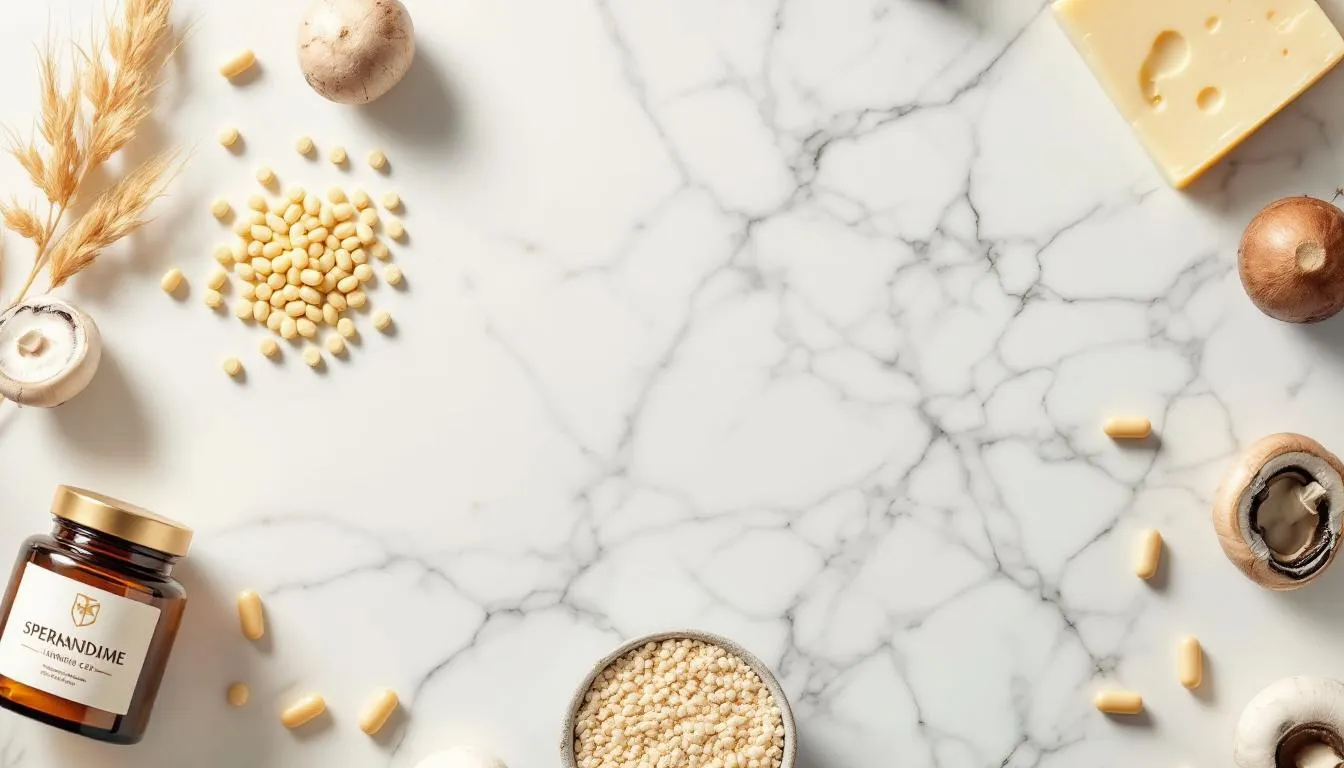
Spermidine is a polyamine, a small positively charged molecule your cells produce from the amino acid ornithine. It's in every living cell on earth, from bacteria to humans. Your body makes it. Your gut bacteria synthesize it. And you get it from food, primarily wheat germ, fermented soy, mushrooms, aged cheese, and legumes.
Its main job in the context of longevity is activating autophagy. Autophagy is your cells' built-in recycling system. It identifies and breaks down damaged proteins, dysfunctional mitochondria, and molecular debris that accumulates over decades. Think of it as the cellular equivalent of waste removal. When autophagy runs well, cells stay healthier longer. When it declines, which it does starting around your 40s, damaged components accumulate, inflammation rises, and the hallmarks of aging accelerate.
Spermidine triggers autophagy by inhibiting an enzyme called EP300, which normally suppresses the autophagy program. It also activates the hypusination of a translation factor called EIF5A, which drives expression of TFEB, the master autophagy regulator. A 2024 study identified this as the actual molecular mechanism connecting fasting and rapamycin to their longevity effects. Both work through spermidine. That's how central this compound is to the biology of cellular aging.
The bad news: spermidine levels decline with age. Steadily, starting in your 40s. This decline tracks closely with reduced autophagy, immune senescence, mitochondrial dysfunction, and cognitive decline. Centenarians and healthy nonagenarians are notable exceptions: their blood spermidine levels resemble middle-aged adults, suggesting that either spermidine maintains longevity or longevity preserves spermidine synthesis.
For a deeper dive on the science and food sources, the spermidine rich foods guide covers the mechanisms and dietary sources in detail. This article focuses on what's specifically relevant for women.
Why women's aging makes spermidine especially relevant
Women don't just experience a gradual decline in spermidine as they age. They face a compounding problem. Menopause removes estrogen, which was doing significant protective work across the brain, heart, skin, and bones. That loss happens over a compressed window, typically ages 45-55, producing rapid changes in multiple organ systems simultaneously.
Spermidine's primary mechanism, autophagy activation, addresses several of those systems directly. And more recently, researchers have found that spermidine can replicate some of estrogen's specific protective effects in post-menopausal cardiovascular tissue, something no other longevity compound has convincing data for.
Women also have a higher lifetime risk of Alzheimer's disease than men, roughly 65% of all cases occur in women, partly explained by post-menopausal estrogen loss and partly by differences in how the female brain ages. Autophagy clears the misfolded proteins associated with neurodegeneration. Spermidine directly upregulates that process.
And then there's hair. Female-pattern hair loss affects an estimated 40% of women by age 50. It's driven by hormonal shifts, thyroid changes, postpartum stress, and simply aging hair follicle cycles. Spermidine has more clinical hair evidence than almost any supplement in the longevity space. There's an actual double-blind randomized controlled trial.
None of this means spermidine is a women's supplement. Men need it too. But the specific intersection of spermidine's mechanisms and the most common challenges women face as they age is more direct than for most longevity compounds.
Hair growth: the most clinically substantiated benefit
Let's start here because this is where the evidence is genuinely strong.
A double-blind, randomized, placebo-controlled trial published in Dermatology Practical & Conceptual enrolled 100 healthy adults (both men and women) over 90 days. Participants received either a spermidine-based nutritional supplement or placebo. The results were striking. At the end of the trial, the spermidine group showed a significant increase in anagen-phase hair follicles. Anagen is the active growth phase. More follicles in the growth phase means more active hair growth.
The researchers also measured Ki-67, a marker of cellular proliferation. Hair follicles in the spermidine group were actively dividing faster. Not just more follicles growing, but growing more vigorously.
At six months, 68% of the placebo group had a positive hair pull test, meaning hairs were coming out with light traction, indicating shedding. Zero percent of the spermidine group had a positive pull test. None.
The mechanism behind this had already been established in earlier in vitro research. Spermidine promotes hair shaft elongation, keeps follicles in the anagen (growth) phase longer, and modulates the function of human epithelial stem cells that control hair cycling. There's also early research on spermidine analogs producing the same effects in cultured human follicles.
For women, this is particularly relevant. Female-pattern hair loss, telogen effluvium triggered by hormonal shifts, postpartum shedding, and the general thinning that comes with perimenopause and menopause all involve disrupted hair follicle cycling. Spermidine's effect is specifically on extending the growth phase and delaying entry into the shedding phase. That addresses the mechanism rather than just supplementing a missing nutrient.

You won't find many supplements with a double-blind RCT showing this kind of hair-specific result. Most hair supplements have observational data, anecdote, or in vitro studies. The spermidine hair evidence is unusually clean.
Skin: collagen, elasticity, and the barrier function
Women's skin ages differently from men's. Post-menopause, declining estrogen accelerates collagen loss significantly, roughly 30% of skin collagen is lost in the first five years after menopause. Skin thins, elasticity drops, the moisture barrier weakens.
Spermidine addresses several of these pathways.
A 2021 study published in Communications Biology (Nature portfolio) examined how spermidine produced by skin microbiome bacteria affects aged skin. Spermidine contributed directly to recovery of skin structure and barrier function through upregulation of collagen and lipid synthesis in aged skin cells. The researchers found marked improvements in elasticity, hydration, and desquamation (skin cell turnover) when spermidine availability increased.
The mechanisms that explain this:
Autophagy-driven senescent cell clearance. As skin ages, senescent cells accumulate. These "zombie cells" stop dividing but don't die, instead secreting inflammatory signals that degrade surrounding tissue. Autophagy removes cellular debris and reduces the conditions that cause senescence. More autophagy means fewer accumulating senescent cells in skin.
Collagen synthesis stimulation. Multiple studies show spermidine upregulates collagen gene expression in skin fibroblasts. This is the cell population most responsible for the collagen and elastin scaffold that keeps skin firm and resilient.
UV protection. Mouse skin studies found that spermidine reduced UV-induced oxidative stress and inflammation. UV exposure is the single largest external contributor to skin aging, and compounds that buffer UV damage provide meaningful anti-aging effects.
Mitophagy in skin cells. Mitochondrial dysfunction shows up in aged skin as reduced energy for cellular repair, increased oxidative stress, and impaired pigmentation control. Spermidine's mitophagy effects specifically clear damaged mitochondria, improving the energy landscape for skin cell function.
For more on spermidine's specific evidence in skin, the spermidine skincare guide covers topical applications and the dermatology research in depth.
Fertility and oocyte quality: the most exciting recent research
This is newer and more surprising. It's also genuinely important for women in their late 30s and early 40s considering fertility preservation or conception.
Two landmark studies published in Nature Aging in 2023 established something significant. Spermidine is a critical metabolite in ovaries that protects oocytes (eggs) against aging. The decline in oocyte quality that occurs with female reproductive aging, leading to reduced fertility, higher miscarriage rates, and chromosomal abnormalities, is closely linked to mitochondrial dysfunction in egg cells.
Aged oocytes have impaired mitophagy: they don't clear damaged mitochondria effectively. This leads to oxidative stress accumulation, DNA damage, and compromised developmental capacity. In the first Nature Aging study, spermidine supplementation in aged female mice promoted follicle development, oocyte maturation, and early embryonic development. Fertility was meaningfully improved. The mechanism was enhanced mitophagy and mitochondrial function in the aging oocytes themselves.
The second study confirmed the mechanism holds in porcine oocytes under oxidative stress conditions, providing confidence that the pathway is conserved across species rather than mouse-specific.
A 2024 follow-up study in Cell Communication and Signaling found that spermidine protects postovulatory aged porcine oocytes by reducing DNA damage, improving mitochondrial membrane potential, and boosting fertilization rates. There were also improvements for vitrified (frozen) oocytes, suggesting potential applications in IVF protocols.
These are all animal and in vitro studies. There are no human clinical trials yet testing spermidine supplementation in women trying to conceive. That's an important caveat. But the mechanism is well-characterized, the signal is consistent across multiple independent research groups, and the safety profile in reproductive-age women (outside of pregnancy itself) appears reasonable.
One note for women who are already pregnant: spermidine levels rise naturally during healthy pregnancy, as they're needed for fetal development. Supplementing on top of that is unnecessary and potentially concerning due to lack of safety data. Stick to dietary sources during pregnancy.
Use the supplement interaction checker if you're combining spermidine with other supplements in a fertility-focused protocol.
Hormonal effects and menopause
A pilot study by Bendera and Wilson examined spermidine's effects on female hormone profiles and found some interesting patterns. Spermidine increased progesterone during the follicular phase in premenopausal women and improved the estrogen-to-progesterone ratio, relevant during perimenopause when estrogen dominance is common. Among participants, 37% experienced significant cortisol reductions within 30 days.
The cortisol connection matters more than it might seem. Chronically elevated cortisol suppresses the synthesis of estrogen and progesterone. It interferes with thyroid function. It disrupts sleep. And it accelerates several biological aging markers. Spermidine's apparent cortisol-lowering effect, if it replicates in larger trials, would have cascading positive effects across female hormonal health.
The study also showed increases in DHEAS and testosterone, the hormones most associated with libido and energy in women, both of which decline with age and further with menopause. Again, this is a small pilot study, not a definitive clinical trial. But the mechanistic logic is coherent: autophagy reduces cellular stress, cellular stress reduction lowers inflammatory signaling, lower inflammation improves adrenal and gonadal hormone synthesis.
For women in perimenopause and post-menopause, the most compelling hormonal evidence is actually cardiovascular. A 2025 study published in a peer-reviewed pharmacology journal tested spermidine supplementation in estrogen-deprived female rats (the standard ovariectomy model for post-menopause research). The finding: spermidine and estrogen "equally ameliorated all cardiometabolic adverse effects in estrogen-deprived female rats." Insulin resistance, dyslipidemia, oxidative stress, inflammation, and cardiac function all improved to similar degrees with spermidine as with estrogen replacement, but without estrogen's associated cancer risks.
A companion European Heart Journal study showed spermidine specifically protected the heart against mitochondrial dysfunction and oxidative stress in the same estrogen-deprived model.
To be clear: these are animal studies. Spermidine is not an estrogen replacement and shouldn't be framed that way. But they suggest that spermidine may address some of the specific cardiovascular vulnerabilities that open up after menopause, through autophagy and mitochondrial protection rather than hormonal mechanisms.
Brain protection and Alzheimer's risk
Women carry a disproportionate Alzheimer's burden. About 65% of all Alzheimer's cases are in women. Part of the explanation is longevity: women live longer on average. But research increasingly points to post-menopausal estrogen loss as an independent risk amplifier, one that leaves the female brain more vulnerable to the protein aggregation associated with neurodegeneration.
Spermidine clears misfolded proteins through autophagy. Tau tangles and amyloid plaques, the defining pathological features of Alzheimer's, are the kinds of damaged aggregates that autophagic function would normally process. When autophagy declines with age (and spermidine levels fall alongside it), those proteins accumulate.
Population data supports this connection. A large cohort analysis found that lower plasma spermidine levels are associated with accelerated brain aging on MRI measures. US NHANES data covering nearly 24,000 participants found inverse associations between dietary spermidine intake and cognitive decline across a 12-year follow-up.
The SmartAge trial is the most rigorous human RCT to date. 100 participants aged 60-90 with subjective cognitive decline received either 0.9 mg/day of wheat germ spermidine extract or placebo for 12 months. The primary memory endpoint wasn't met. But exploratory analyses showed positive trends on verbal memory and inflammatory markers, and the trial's authors concluded that the dose was likely too low to detect a clear effect. Higher-dose cognitive trials are now in development.
The mechanistic case is strong. The clinical trial evidence is incomplete. But for women over 50 concerned about cognitive aging, the autophagy angle makes spermidine one of the more scientifically grounded additions to a brain health protocol, particularly given its excellent safety profile.
Compare this to other longevity compounds with brain claims: spermidine's mechanism (autophagy-mediated protein clearance) is more directly relevant to Alzheimer's pathology than most. And it's part of a natural biological system that your body already uses, not an external intervention forcing an unnatural pathway.
Heart health after menopause
Women have natural cardiovascular protection during their reproductive years. Estrogen supports healthy blood pressure, lipid profiles, and vascular elasticity. Menopause removes that protection, and the result is a significant spike in cardiovascular risk. Heart disease catches up to men's rates within 10 years of menopause in most women.
Spermidine's cardiovascular evidence is some of the strongest in the longevity field. The 20-year Bruneck cohort study of 829 participants found that all-cause mortality decreased with higher dietary spermidine intake, with fatal cardiovascular events reduced by approximately 40% in the highest versus lowest intake groups.
The mechanistic research explains why. In animal models of cardiac aging, spermidine supplementation reduced cardiac hypertrophy (thickening of the heart wall that reduces pumping efficiency) and preserved diastolic function, the heart's ability to relax and fill between beats. Diastolic dysfunction is extremely common in older women and often precedes heart failure. The mechanism involves spermidine's effects on titin, a critical structural protein in heart muscle that affects cardiac elasticity, and enhanced mitophagy clearing damaged mitochondria from cardiac cells.
The post-menopausal animal data is particularly relevant: spermidine matched estrogen's protective effects on the heart in estrogen-deprived rats while avoiding estrogen's risks. The POLYCAD randomized controlled trial is testing spermidine in coronary artery disease patients and should provide cleaner human data. Results are expected in 2026.
This cardiovascular evidence, combined with the post-menopausal hormonal context, makes spermidine worth considering for women entering their 50s who are thinking about long-term heart protection. It doesn't replace lifestyle interventions, good sleep, exercise, and diet remain the most powerful cardiovascular tools. But as a supplement with plausible mechanism and epidemiological support, it's among the better-evidenced options in the space.
Immune function: T cell rejuvenation
Your adaptive immune system is run by T cells. As you age, T cells lose autophagic capacity. They become slower to respond, less capable of killing pathogens, and less effective at identifying and eliminating cancer cells before they grow into tumors. This immune aging, called immunosenescence, is a significant driver of increased infection risk and cancer susceptibility in older adults.
Spermidine restores autophagic flux in aged T cells. Research published in eLife showed that T cells from aged donors regained autophagy capacity when given spermidine, restoring their ability to produce IFN-gamma and perforin, the molecules T cells use to kill infected cells and tumors. In aged mice, this translated to rejuvenated anticancer immunosurveillance.
A 2022 study found that spermidine rejuvenates T lymphocytes in aged mice and restores anticancer immunosurveillance via a mechanism involving fatty acid oxidation and mitochondrial energy production. This is distinctly different from how most supplements claim to "support immunity." It's not generic antioxidant handwaving. It's a specific, well-characterized mechanism at the cellular level.
For women, menopause adds another dimension. Post-menopausal immune function declines more sharply than pre-menopausal, partly through estrogen's loss as an immunomodulatory hormone. Spermidine's T cell rejuvenation effect is not sex-specific in the current research, but the accelerated immune decline context makes it particularly relevant.
How to get spermidine from food
The food-first approach makes sense here. The strongest human evidence for spermidine's longevity effects comes from the Bruneck dietary data, not from supplement trials. And food-derived spermidine arrives packaged with companion polyamines (spermine and putrescine) that engage the full polyamine salvage pathway in ways isolated supplements may not replicate.
The top dietary sources:
Wheat germ is the highest known natural source at roughly 24 mg per 100g. Two tablespoons (about 30g) delivers approximately 7 mg of spermidine. Eat it raw: stirred into yogurt, blended into smoothies, sprinkled on oatmeal. Cooking degrades it. It's cheap, shelf-stable (refrigerated), and virtually tasteless mixed into other foods.
Natto and tempeh come in at 12-20 mg per 100g. Natto is fermented soybeans with a distinctive flavor that takes getting used to. Tempeh is more accessible: pressed fermented soybeans with a firm texture that works well in stir-fries, sandwiches, and grain bowls. Both are excellent protein sources in addition to spermidine.
Mushrooms contain up to 12 mg per 100g depending on variety. Black shimeji and oyster mushrooms are the richest. Lightly sauté them to minimize polyamine degradation, or use them raw in salads where preparation allows.
Aged cheese is a surprising contributor at 10-13 mg per 100g. The aging process concentrates spermidine through microbial activity. Parmesan, aged cheddar, and gruyere are all good choices. A 30g serving adds 3-4 mg.
Legumes and broccoli round out a comprehensive approach. Lentils and chickpeas at 8-11 mg per 100g, green peas at 6-7 mg, broccoli at 5-7 mg. Steam vegetables rather than boiling to minimize leaching losses.
For a comprehensive breakdown of all spermidine food sources and how cooking affects content, see the spermidine rich foods guide.

Supplement dosing guide for women
The clinical trial landscape is helpful here, even if it's still developing.
The SmartAge trials used 0.9-1.2 mg/day of spermidine equivalent from wheat germ extract. These doses showed modest effects and the authors concluded they were likely too low. Most commercial supplements now aim for 3-10 mg/day of spermidine equivalent.
The EU has authorized up to 6 mg/day of spermidine from wheat germ extract as a novel food supplement. This is a reasonable ceiling for most people. Some practitioners in the longevity medicine space recommend 3-6 mg/day as the practical target.
There are no women-specific dosing studies. The research doesn't suggest women need different doses than men, but it also hasn't been directly tested. General guidance by goal:
For general longevity and autophagy support: 3-5 mg/day of spermidine equivalent, combined with dietary sources targeting 5-8 mg/day from food. Total daily intake in the 8-13 mg range.
For hair support: The RCT used a spermidine-based supplement compound rather than isolated spermidine. If targeting hair specifically, look for products that have clinical data on this endpoint rather than assuming any spermidine supplement will replicate the trial results.
For fertility support: No established dose. Given the mechanism involves mitochondrial function in oocytes, the general 3-5 mg/day supplemental range seems reasonable, but there's no trial data to confirm specific numbers. Discuss with a reproductive endocrinologist if you're using this in a fertility context.
Forms: Wheat germ extract is the most studied and contains the full complement of companion polyamines. Spermidine trihydrochloride (synthetic) provides a standardized, gluten-free alternative with a guaranteed dose. Look for products that list the spermidine content in milligrams, not just the wheat germ extract dose.
Check our how much spermidine per day guide for a complete dosing breakdown with protocol options.
Safety and who should avoid it
Spermidine is remarkably well-tolerated. Your cells already produce it. It's classified as GRAS (Generally Recognized As Safe) by the FDA for wheat germ extract. Clinical trials at up to 40 mg/day in healthy older adults showed no significant adverse effects over 28 days.
But there are specific categories of women who should think carefully before supplementing.
Pregnancy: don't supplement. Spermidine levels rise naturally during healthy pregnancy, serving critical functions in fetal development. Adding supplemental doses on top of that rise has no safety data in humans. Stick to food sources during pregnancy and breastfeeding, where spermidine intake from a normal diet is completely appropriate.
Estrogen receptor-positive (ER+) breast cancer history: discuss with your oncologist. In vitro research shows polyamines can be rapidly upregulated by estrogen in hormone-responsive breast cancer cells. Spermine (a spermidine metabolite) has shown activity in ER signaling in breast cancer cell lines. The epidemiological data on dietary spermidine actually associates higher intake with lower overall cancer mortality, so this isn't a simple relationship. But the in vitro signals are enough to warrant a conversation with your oncologist before supplementing if you have ER+ breast cancer history.
Gluten sensitivity or celiac disease: Most spermidine supplements use wheat germ extract. Use spermidine trihydrochloride (synthetic form) or ensure your wheat germ product is certified gluten-free.
Active cancer: Polyamines support cell proliferation. Cancer cells often show elevated polyamine biosynthesis. Discuss with your oncologist. The net effect isn't clear and depends heavily on cancer type.
For everyone else, particularly women over 40 who are actively thinking about longevity, the safety profile is excellent.
How spermidine fits in a women's longevity stack
Spermidine doesn't compete with other longevity compounds. It works on a different axis than most and complements them well.
Spermidine and NMN. NMN raises NAD+ levels, supporting energy metabolism and mitochondrial function. Spermidine activates autophagy, the cellular cleanup system. These are different interventions on overlapping pathways. NMN has more specific data on energy and muscular function. Spermidine has more data on oocyte quality, hair, and post-menopausal cardiovascular protection. Both decline with age. Combining them makes sense from a mechanism standpoint. For women, the spermidine oocyte data and the NMN energy and muscle data address different priorities but stack cleanly.
Spermidine and resveratrol. Resveratrol activates SIRT1 and AMPK. Spermidine activates autophagy via EP300 inhibition. These are distinct but convergent mechanisms. A study by Eisenberg et al. showed that combining spermidine and resveratrol produced greater autophagy than either alone, through separate but additive pathways. Synergistic in the lab. Whether that translates to greater real-world benefit isn't proven, but the logic is coherent.
Spermidine and senolytics (fisetin, quercetin). Senolytics (like fisetin and quercetin) clear senescent cells once they've accumulated. Spermidine prevents cells from becoming senescent in the first place by keeping autophagy active. These are complementary approaches addressing different parts of the same problem.
Spermidine and glycine. Glycine supports collagen synthesis, sleep quality, and cellular methylation. Spermidine supports cellular cleanup. Both are safe, well-tolerated, and work through completely different mechanisms. The glycine dosage for anti-aging guide covers how to incorporate glycine alongside other longevity compounds.
Use the supplement interaction checker to verify your full stack before adding spermidine to an existing protocol.
Frequently asked questions
Does spermidine help with hair loss in women?
Yes, there's a double-blind RCT showing a spermidine-based supplement extended the active hair growth phase (anagen phase) and reduced hair shedding over 90 days. At six months, 68% of the placebo group had a positive hair pull test (indicating active shedding) versus zero in the spermidine group. Female-pattern hair loss and telogen effluvium related to hormonal shifts are both driven by disrupted hair cycling, which spermidine directly addresses by prolonging the growth phase.
Can women take spermidine during menopause?
Yes. Menopause is actually one of the life stages where spermidine's evidence is most relevant. Post-menopausal women face elevated cardiovascular risk, accelerated cognitive aging, and hair thinning, all areas where spermidine has plausible mechanism and some supporting evidence. The caveat: avoid supplemental doses during pregnancy or breastfeeding.
Is spermidine safe for women with a history of breast cancer?
This requires a conversation with your oncologist. In vitro data shows polyamines can be upregulated by estrogen in ER+ breast cancer cells. The epidemiological data on dietary spermidine actually associates with lower overall cancer mortality, but that population-level signal doesn't resolve the individual risk question for someone with a specific cancer history.
How long does spermidine take to work?
The hair RCT ran 90 days before measurable effects on follicle phase. Cognitive trials ran 12 months with modest results. The general expectation for longevity compounds is 3-6 months before biological changes become detectable. Don't judge effectiveness on shorter timeframes.
What's the best time to take spermidine?
No circadian data exists for spermidine specifically. Morning with a light meal is common in practice. Some people take it near a fasting window (like a time-restricted eating window) because both fasting and spermidine activate autophagy through overlapping pathways. Consistency matters more than timing.
Can spermidine help with perimenopause symptoms?
The evidence is indirect. The hormonal pilot study showed cortisol reductions and improved estrogen-to-progesterone ratios. The cardiovascular data in post-menopausal animal models is encouraging. But there are no RCTs specifically on perimenopausal symptoms like hot flashes, mood changes, or sleep disruption. Don't expect spermidine to be an HRT substitute. It's better framed as a long-term cellular health strategy that may help women age better through and beyond perimenopause.
Should I take spermidine supplements or get it from food?
Both. The strongest human evidence comes from dietary intake data (the Bruneck cohort). Food-derived spermidine comes packaged with companion polyamines that may be important for the full effect. But food alone may not compensate for declining endogenous production past age 50, particularly for women who aren't eating wheat germ, natto, and mushrooms regularly. A reasonable approach: build your diet around high-spermidine foods and use a 3-5 mg/day supplement if your dietary intake is low.
Building a longevity protocol that actually fits your biology and goals takes more than picking a few supplements. The AI protocol builder generates a personalized longevity stack based on your age, health status, goals, and current regimen. It's the fastest way to go from "I've heard good things about several compounds" to a coherent, evidence-based protocol.
Related guides
- How much spermidine per day: dosing guide
- Spermidine rich foods: top sources for longevity
- Spermidine skincare: the anti-aging evidence
- Glycine dosage for anti-aging
- Supplement interaction checker
Sources
- Spermidine promotes fertility in aged female mice - Nature Aging, 2023
- Spermidine-induced autophagy RCT for hair growth - PMC, 2017
- Higher dietary spermidine associated with lower mortality - American Journal of Clinical Nutrition
Spermidine won't reverse menopause. It won't undo decades of cellular damage overnight. What it can do is support the specific mechanisms, autophagy, mitochondrial function, T cell rejuvenation, collagen synthesis, that underlie how well women age through their 40s, 50s, and beyond.
The hair data is real. The cardiovascular animal research is genuinely interesting. The oocyte quality findings are new and exciting, even if they need human replication. And the safety profile is excellent enough that the cost-benefit calculation is favorable for most healthy women over 35.
Start with food if you can. Two tablespoons of wheat germ a day, some tempeh a few times a week, mushrooms regularly. Then decide if supplementation makes sense given your diet and goals. Use WinAging's free tools to track your longevity profile and build a stack that's actually coherent.