Spermidine skincare: what the science actually shows
Spermidine triggers cellular autophagy, boosts collagen gene expression, and improves skin elasticity by 12%. Here's the research and how to use it.
Your skin isn't just getting older. It's running out of a compound that used to keep it clean.
Spermidine, a polyamine molecule found in every cell of your body, is the reason children heal fast, skin stays elastic into your twenties, and wound repair happens almost without thinking. But by your thirties, spermidine levels start falling. By your fifties, they've dropped significantly. And what follows is predictable: collagen production slows, skin thins, elasticity fades, and the cellular machinery that used to clear out damage stops working properly.
The good news is that spermidine isn't mysterious or hard to get. It's in food. It's in supplements. And it works at a level that most skincare products never touch, activating autophagy, the cellular recycling process that clears damaged proteins, removes dysfunctional mitochondria, and primes fibroblasts to build fresh collagen. We cover this compound and others like it at WinAging because the research is genuinely compelling, and most people have never heard of it.
This isn't about creams with fancy ingredient lists. It's about changing what your cells actually do.
What spermidine is (and why it matters for skin)
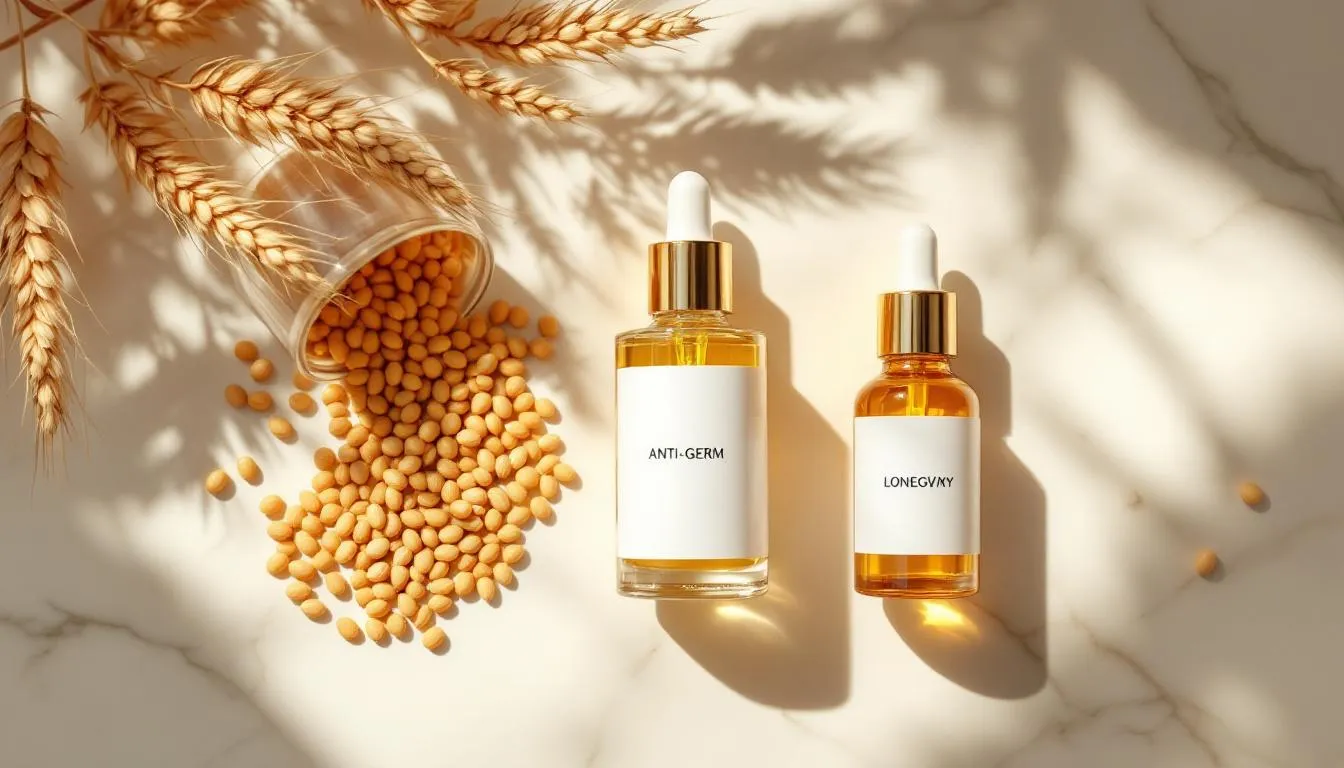
Spermidine is a polyamine, a small positively charged molecule your body synthesizes from the amino acid ornithine. It's found in every cell, produced by gut bacteria, and obtained through food. Alongside putrescine and spermine, it forms the polyamine family, compounds that have been studied in model organisms, cell cultures, and increasingly in humans.
Here's the pattern researchers keep finding: spermidine levels decline consistently with age. In tissues, in blood, in skin cells. But there's a notable exception. Healthy people in their nineties and beyond, the ones who age unusually well, tend to have whole-blood spermidine concentrations similar to middle-aged individuals. That correlation has pushed researchers to ask whether high spermidine isn't just a marker of exceptional health, but a contributing cause of it.
For skin specifically, the story comes down to one core process: autophagy.
Autophagy and skin aging: the connection most people miss
Autophagy is the cell's garbage disposal system. It's how cells engulf and break down damaged proteins, clear out dysfunctional organelles, and remove the cellular debris that accumulates over decades of stress, UV exposure, and normal metabolic activity.
In young skin, autophagy runs well. Keratinocytes, the primary skin cells, use it constantly to execute their normal life cycle and maintain the skin barrier. Fibroblasts, the cells that produce collagen and elastin, use it to clear damaged collagen fragments and keep the extracellular matrix healthy. Melanocytes use it to process UV damage.
But autophagy declines with age. Measurably so. Autophagy markers in aged skin are significantly lower than in young skin. This allows a cascade of problems to build up: damaged mitochondria accumulate and produce excess reactive oxygen species, senescent cells persist and release inflammatory signals that degrade surrounding healthy tissue, and glycated, cross-linked proteins make skin increasingly stiff and inelastic.
Spermidine restores autophagy. The mechanism was established in a 2015 Cell Death and Differentiation paper: spermidine inhibits EP300, an acetyltransferase enzyme that normally suppresses autophagy. When EP300 is blocked, the brakes come off, and the cell resumes clearing its own debris. This is why spermidine is sometimes called a caloric restriction mimetic. Fasting activates the same EP300-autophagy axis. Spermidine does it without the fasting.
How spermidine directly changes skin biology
Beyond autophagy, spermidine has direct effects on the genes responsible for skin structure.
A 2021 study published in Communications Biology (Kim et al.) enrolled 52 healthy Korean women across two age groups and applied spermidine topically to their cheeks for 28 days. The results were measurable. Skin elasticity increased 12.1%, from 0.60 to 0.67. Trans-epidermal water loss dropped 11.3%, meaning the skin barrier improved. Desquamation, or surface skin shedding, reduced by 18.4%.
But the more significant finding was at the gene expression level. Spermidine upregulated:
- COL1A1: the gene for type I collagen, the main structural protein in skin
- COL3A1: type III collagen, important for elasticity and wound repair
- ELN: elastin gene expression
- FBN1: fibrillin-1, a scaffolding protein for elastic fibers
This isn't a surface effect. Spermidine is telling fibroblasts, the collagen-producing cells deep in the dermis, to build more structural protein. That's a fundamentally different mechanism from a moisturizer or even a peptide cream.

The clinical evidence for spermidine in skincare
It's worth being direct about where spermidine stands compared to something like tretinoin, which has decades of controlled trials and an FDA-approved indication for facial aging. Spermidine has fewer human RCTs. But the studies that exist are promising, and the mechanistic evidence is strong.
The 28-day topical trial
The Kim 2021 Communications Biology study is the most significant direct skin trial. Twenty-two female participants applied spermidine secreted from Streptococcus bacteria topically to their cheeks for 28 days. Beyond the elasticity and TEWL improvements already mentioned, the study also revealed something interesting about the skin microbiome. Younger participants with more elastic skin had higher levels of Streptococcus infantis on their skin, and this species produces more spermidine than strains typically found on aged skin. The microbiome-spermidine-aging connection is a developing area of research, but it suggests that external spermidine isn't just compensating for a supplement deficiency. It may be restoring something the skin's own ecosystem used to produce.
Wound healing trials
A 2021 study in Cell Communication and Signaling compared systemic oral spermidine versus topical application for skin wound repair. Both worked better than the untreated control. But oral spermidine produced 50% wound closure in 2.8 days, versus 3.7 days for topical application and 5.3 days for the untreated group. The mechanism involved activation of uPA/uPAR signaling pathways and increased cell proliferation markers.
This is a key data point for the oral vs topical question. Oral supplementation outperformed topical even for a locally applied endpoint like wound healing, suggesting that systemic circulation of spermidine reaches dermal cells more effectively than surface application can penetrate.
Keratinocyte research
A 2024 MDPI study on human primary epidermal keratinocytes found that spermidine treatment at 10 µM concentrations upregulated keratin gene expression, increased stem cell proliferation, and affected pan-keratin and HR protein levels. Keratin upregulation matters because keratin is the structural protein of the outer skin barrier. Stronger keratins mean a more resilient barrier, which means better moisture retention and better defense against environmental damage.
Oral vs topical spermidine for skin: which actually works better
This comes up constantly in skincare discussions about spermidine. The honest answer is that both work, but they work through different routes and the oral route appears more powerful for systemic anti-aging effects.
The case for oral spermidine:
Fibroblasts sit in the dermis, well below where topical actives typically penetrate. When you take spermidine orally, it circulates through blood and reaches dermal cells directly. It also activates systemic longevity pathways, including mTOR inhibition, AMPK activation, and SIRT1 upregulation, that have cascading benefits for cellular health throughout the body, including skin. And as the wound healing study showed, oral administration produced faster and more pronounced results even for a local skin outcome.
Oral spermidine also affects gut health and the gut-skin axis. A healthy gut microbiome correlates strongly with skin health. Spermidine supports gut barrier integrity and modulates gut bacteria in ways that may feed back to skin.
The case for topical spermidine:
The Kim 2021 study used topical application and produced real, measurable results in 28 days. Topical delivers spermidine directly to the epidermis and superficial dermis, which is where keratinocyte function matters most. Some topical products combine spermidine with other proven actives, which may create synergistic effects.
The verdict: For comprehensive anti-aging results including deep dermal remodeling, oral supplementation is the better foundation. If you can pair an oral supplement with a spermidine-containing topical, the theoretical case for combination is solid, though no RCT has specifically tested that combination yet.
You can use the supplement interaction checker to verify how spermidine fits with whatever else you're taking.
Spermidine-rich foods for skin health
Before supplements, there's food. The average person in developed countries gets roughly 10-15 mg of spermidine per day from diet. That's actually a meaningful baseline. But if you're eating a heavily processed diet, you're probably well below it.
The foods with the highest spermidine content:
Wheat germ tops the list at around 24 mg per 100g. This is why wheat-germ-derived supplements are a common source. If you don't have a wheat sensitivity, a tablespoon of wheat germ daily is an easy addition.
Natto (fermented soybeans) comes in at 6-34 mg per 100g depending on fermentation, with higher values in longer-fermented batches. Natto is an acquired taste, but it's also extraordinary for gut health and vitamin K2, making it a high-value food regardless.
Mushrooms, particularly black shimeji, run around 12 mg per 100g. More commonly available mushrooms are lower but still contribute.
Aged cheese contains 10-13 mg per 100g. The fermentation process increases polyamine content above fresh cheeses.
Legumes (lentils, chickpeas, peas) provide up to 10 mg per 100g and are among the easiest ways to increase dietary spermidine without specialty foods.
Mangos contain up to 10 mg per 100g, which makes them one of the better fruit sources.
One practical note: cooking matters. Boiling leaches polyamines into the cooking water. Steaming legumes and vegetables preserves more of the spermidine content.

Even a diet heavy in these foods typically provides 15-20 mg/day at best. For more pronounced anti-aging effects, especially for skin, the clinical studies use supplemental spermidine on top of baseline dietary intake.
Best spermidine supplements for skin
The supplement market for spermidine has grown significantly as the research has accumulated. A few brands are worth knowing:
Primeadine (Oxford Healthspan) is the most clinically researched brand. It's derived from wheat germ, which provides the full polyamine matrix: putrescine, spermine, and spermidine together. Some researchers believe the full matrix has advantages over isolated spermidine alone, though this isn't settled. Oxford Healthspan recommends a titration protocol: one capsule on day one, two on day two, three from day three forward. This reduces the chance of initial digestive discomfort.
DoNotAge Pure Spermidine comes in 8 mg capsules and offers high purity at competitive pricing. Solid option if you prefer a straightforward, single-ingredient product.
Double Wood Supplements offers 10 mg per capsule at a budget-friendly price point. Third-party tested and clean label.
OMRE provides 10 mg wheat-germ-derived spermidine per capsule with third-party testing. Good transparency.
AgeMate offers 5 mg spermidine combined with NR (500 mg), glycine (700 mg), hyaluronic acid, and vitamin D3 in a single product. If you want a skin-targeted stack in one capsule rather than building it yourself, this is worth considering.
Dosage: what the research actually uses
- Conservative start: 0.9-1.5 mg/day (used in the SmartAge trial, a 12-month RCT in older adults)
- Standard anti-aging dose: 1-3 mg/day (most longevity studies)
- Higher dose: up to 6 mg/day (European Food Safety Authority safe upper intake for supplements)
- Research doses: 40 mg/day for 28 days was found safe and well-tolerated in a 2024 study, though effects on circulating polyamine levels were minimal at that extreme
For skin benefits, 1-3 mg/day appears to be the practical sweet spot. Most quality supplements deliver this range in 1-3 capsules. If you're new to spermidine, starting low and building up over a week reduces any chance of digestive adjustment.
How spermidine fights skin aging at the cellular level
There's something useful in understanding exactly what's happening when you take spermidine, because it explains why the results build over months rather than appearing overnight.
Clearing senescent cells: When cells in your skin become senescent, they stop dividing but don't die. They sit there releasing inflammatory signals, a phenomenon called the Senescence-Associated Secretory Phenotype (SASP). This SASP actively degrades the surrounding extracellular matrix, breaking down the collagen and elastin that keeps skin firm. Spermidine's autophagy induction helps clear these senescent cells and the debris they leave behind. This is slower work. You don't feel it happening. But it compounds.
Improving mitochondrial quality in skin cells: Damaged mitochondria produce excess reactive oxygen species. In skin, these ROS accelerate photoaging, damage mitochondrial DNA, and degrade cellular function. Autophagy clears these damaged mitochondria and allows healthy ones to take their place. Skin cells with better mitochondrial quality repair UV damage faster, produce energy more efficiently, and maintain their function longer.
Reducing chronic inflammation: Spermidine reduces TNF-alpha, IL-1beta, and IL-18 production, and suppresses NF-kappa-B translocation. These aren't abstract benefits. Chronic low-grade inflammation, sometimes called inflammaging, is one of the primary drivers of visible skin aging. Reducing it is one of the most evidence-backed things you can do for long-term skin health.
Upregulating structural gene expression: The collagen and elastin gene upregulation discussed earlier isn't a one-time event. As long as you're maintaining adequate spermidine signaling, fibroblasts continue producing more structural proteins. Collagen type I declines roughly 1% per year after age 25. Spermidine can't fully reverse that trajectory, but it can meaningfully slow it.

Spermidine and hair growth: the bonus most people don't expect
Hair follicles are skin appendages, extensions of the same tissue. And spermidine's effects on hair are some of the most well-documented benefits in the literature.
A 2011 PLOS One study established that spermidine directly modulates human hair follicle biology. Spermidine treatment significantly increased hair shaft elongation in organ-cultured hair follicles, with maximum effects at 0.5 µM concentration. It also upregulated epithelial stem cell keratins, the same structural proteins that matter for skin barrier function.
But the landmark evidence is a 2017 randomized, double-blind, placebo-controlled trial published in Dermatology Practical and Conceptual. One hundred healthy adults, 50 in the treatment group and 50 placebo, took a spermidine-based supplement daily for 90 days.
The results were notable:
- A 50% increase in anagen V-VI (actively growing) hair follicles in the spermidine group
- The placebo group showed approximately a 20% decline in active follicles over the same period
- Ki-67, a cell proliferation marker, increased in the treatment group and decreased in placebo
- At 6 months: 100% of spermidine users tested negative for active hair shedding, compared to 68% positive shedding in the placebo group
The mechanism is the same as in skin: spermidine extends the anagen (growth) phase of the hair cycle, reduces apoptosis, and increases proliferation in follicle cells. For people dealing with age-related hair thinning, where follicles progressively spend less time in the growth phase, this is directly relevant.
How to build a spermidine skin stack
Spermidine doesn't need to work alone. Several compounds pair naturally with it, addressing different mechanisms of skin aging.
Spermidine + collagen peptides: Spermidine upregulates the collagen genes (COL1A1, COL3A1). Collagen peptides, typically 5-10g/day of hydrolyzed type I and III, supply the amino acid raw materials and further stimulate fibroblasts through the hydroxyproline-proline-glycine signal. These two together address both the instruction side (spermidine triggering gene expression) and the substrate side (collagen peptides providing material). This is one of the more rational pairings you can make for skin-focused longevity.
Spermidine + vitamin C: Collagen synthesis requires vitamin C as a cofactor for hydroxylating proline and lysine residues. Without adequate vitamin C, even upregulated collagen genes can't produce properly cross-linked collagen. 500-1000 mg/day of vitamin C paired with spermidine creates the signaling and the biochemistry working together.
Spermidine + NMN or NR: NAD+ boosters restore sirtuin activity and improve mitochondrial function. Spermidine clears cellular debris through autophagy. After the cellular cleanup spermidine enables, cells with restored NAD+ can run more efficient repair processes. The resveratrol vs NMN discussion on WinAging covers how NMN and resveratrol work together, and spermidine fits naturally into that picture. You're addressing cellular cleanup, energy metabolism, and gene expression in parallel.
Spermidine + glycine: Glycine makes up roughly a third of collagen by amino acid weight. Supplementing glycine alongside spermidine ensures the building material is available when the collagen genes are upregulated. Glycine for anti-aging covers the broader evidence for glycine in longevity, including its role in GlyNAC combinations and sleep quality.
Spermidine + omega-3 fatty acids: EPA and DHA reduce systemic inflammation through prostaglandin and resolvin pathways. Spermidine reduces inflammation through NF-kappa-B suppression. Two anti-inflammatory mechanisms from different angles, both supportive of healthy skin aging. 2-3g of combined EPA and DHA per day is the standard effective dose.
Spermidine + fisetin: Fisetin is a senolytic that actively clears senescent cells. Spermidine helps prevent cellular senescence through autophagy. A practical protocol might involve daily spermidine supplementation (1-3 mg) combined with monthly pulsed fisetin dosing (100-200 mg for 2-3 consecutive days). No human RCT has specifically tested this combination for skin outcomes, but the mechanistic logic is solid.
A note on timing: spermidine can be taken any time of day, with or without food, and consistency matters more than timing. NMN is better in the morning. Resveratrol absorbs better with a fat-containing evening meal. Collagen peptides can be taken any time but are often consumed in the morning or post-workout. Use the supplement interaction checker to map out your full stack and flag anything worth watching.
What to expect: the spermidine skin timeline
This is where most people need a realistic expectation-setter. Spermidine doesn't work like a topical retinol that shows visible surface changes in weeks. It works at the cellular level, and cellular remodeling takes time.
Weeks 1-5: Some users notice improved nail growth, a proxy for keratinocyte activity, and subtle changes in skin texture. Hair growth is often the first visible change many people notice, typically around week 3-5.
Months 1-3: The Kim 2021 study showed measurable elasticity and TEWL improvements at 28 days with topical application. With oral supplementation, the effects are more distributed. Expect gradual improvements in hydration and evenness of skin tone. The hair follicle RCT showed a 50% increase in actively growing follicles at 3 months.
Months 3-6: More pronounced changes in skin firmness and texture become apparent. The cumulative autophagy benefits are building. Senescent cells that were degrading collagen are being cleared. Fibroblasts are running healthier and producing more structural protein.
Months 6-12: Collagen remodeling and deeper tissue changes become visible. This is the period where people who've been consistent often describe their skin as looking "different" rather than just "slightly better." Long-term autophagy benefits compound because the cellular environment has genuinely improved.
Several variables affect how quickly you see results. Age matters: older individuals have more accumulated cellular damage to clear, so initial effects may take longer but can be more pronounced once they appear. Baseline dietary spermidine matters: someone already eating natto and wheat germ regularly starts from a higher baseline. Dose matters within the safe range. And lifestyle factors including sleep quality, sun protection, and overall diet affect how well cellular repair processes can run.
Track your progress with the biological age calculator at WinAging. Skin health is one of the key phenotypic markers that shifts meaningfully as cellular aging is addressed.
Spermidine vs other anti-aging approaches for skin
It's worth being clear about where spermidine fits relative to established options.
vs. Tretinoin/retinol: Tretinoin is still the best-evidenced topical anti-aging compound. It has FDA-approved indications for facial wrinkles and hyperpigmentation. But it causes dryness, flaking, redness, and sun sensitivity in many users. Spermidine has no known skin irritation effects. And they're complementary, not competing: retinol drives surface cell turnover and directly stimulates collagen; spermidine addresses cellular health and autophagy at a deeper foundational level. Using both makes sense.
vs. Collagen peptides: Oral collagen at 2.5-10g/day has robust RCT evidence for skin elasticity and hydration. Collagen peptides work by supplying building blocks and signaling fibroblasts through the hydroxyproline signal. Spermidine activates the collagen genes. They address different sides of the same problem, which is why stacking them is rational rather than redundant.
vs. NMN/NR: NAD+ boosters work primarily by restoring sirtuin activity and mitochondrial function. They don't activate autophagy through the same pathway as spermidine. The two are synergistic: spermidine clears the cellular debris, NAD+ restores the energy systems in the cleaned-up cells. The article on why people stop taking NMN covers common pitfalls with NAD+ supplementation and what actually matters about the protocol.
vs. Hyaluronic acid: Oral HA has evidence for skin hydration, but it doesn't address the aging mechanisms underneath. Spermidine's improvement in TEWL is a barrier function change, more fundamental than adding a hydration molecule.
Safety and who should be cautious
Spermidine has a good safety record at standard supplementation doses.
The European Food Safety Authority has set a safe upper intake of 6 mg/day from supplements. The 12-month SmartAge trial in older adults found no safety concerns at 0.9 mg/day. A 2024 study found 40 mg/day for 28 days was safe and well-tolerated in healthy older men, though effects at that extreme were minimal.
The most common side effect is mild gastrointestinal discomfort, particularly at higher doses or when starting abruptly. Titrating up over a week (as Primeadine recommends) prevents most of this.
Specific cautions: People with wheat allergy or celiac disease should avoid wheat-germ-derived products specifically, though pure synthetic spermidine is available. People undergoing cancer treatment with DFMO (difluoromethylornithine), an anti-polyamine therapy, should not supplement spermidine as it opposes the treatment mechanism. There's insufficient data on spermidine supplementation during pregnancy and breastfeeding.
Frequently asked questions
Does spermidine actually improve skin?
Yes, within the scope of what the current research shows. A 2021 clinical study found topical spermidine improved skin elasticity by 12.1% and reduced trans-epidermal water loss by 11.3% in 28 days. Oral supplementation has even stronger mechanistic evidence through autophagy activation and collagen gene upregulation in dermal fibroblasts.
How long does spermidine take to work for skin?
Initial changes in texture and hydration can appear within 4-8 weeks. More meaningful improvements in elasticity and firmness typically take 3-6 months. Collagen remodeling continues over 6-12 months of consistent use. Hair changes, often the most visible early marker, frequently appear within the first 90 days.
Is topical or oral spermidine better for skin?
Oral appears more effective for systemic anti-aging effects, including deep dermal collagen production, based on the wound healing study that showed faster results from oral versus topical administration. Topical works for the epidermis and superficial dermis. If you want comprehensive effects, starting with an oral supplement is the better choice.
What foods are highest in spermidine?
Wheat germ (24 mg/100g), natto/fermented soybeans (6-34 mg/100g depending on fermentation), black shimeji mushrooms (12 mg/100g), aged cheese (10-13 mg/100g), and legumes (up to 10 mg/100g) are the best dietary sources. Steam rather than boil these foods to preserve spermidine content.
How much spermidine should I take for skin benefits?
Clinical research suggests 1-3 mg/day for general anti-aging benefits. Start at 0.9-1 mg/day and titrate up over a week to avoid digestive discomfort. The European Food Safety Authority's safe upper intake from supplements is 6 mg/day.
Can spermidine help with hair thinning?
Yes, this is one of the better-documented applications. A 2017 RCT found a 50% increase in actively growing (anagen) hair follicles after 90 days of spermidine supplementation. At 6 months, 100% of spermidine users tested negative for active shedding compared to 32% of placebo users still actively shedding.
Does spermidine have side effects?
Mild gastrointestinal discomfort is the most common side effect, especially at high doses or when starting without titrating. Titrating up over a week typically eliminates this. No significant adverse events have been reported in clinical trials. People with wheat allergy should choose synthetic rather than wheat-germ-derived products.
Can I take spermidine with other supplements?
Spermidine combines well with collagen peptides, NMN, resveratrol, glycine, vitamin C, and omega-3s. No significant negative interactions have been reported with common supplements. Always verify combinations using the supplement interaction checker.
Need help building your stack? The WinAging protocol builder designs a personalized longevity plan based on 30+ data points about your health and goals.
Related guides
- Glycine dosage for anti-aging: what the research says
- Resveratrol or NMN: which longevity compound matters more
- Why I stopped taking NMN (and what I learned)
- Free longevity tools and calculators
Sources
- Kim et al. (2021), spermidine-induced skin elasticity and barrier recovery - Communications Biology
- Spermidine and wound healing, oral vs topical (2021) - Cell Communication and Signaling
- Hair follicle RCT, spermidine prolongs anagen phase (2017) - Dermatology Practical and Conceptual
Skin aging isn't a single problem. It's a cascade of cellular failures that happen slowly, below the surface, before they become visible. Spermidine addresses several of those failures at once, by restoring the autophagy process that keeps cells clean, triggering the gene expression that drives collagen production, and reducing the chronic inflammation that quietly degrades skin structure over years.
It's not a miracle. It takes time, and it works best as part of a broader protocol. But the science behind it is real, and it's addressing aging at a level that most skincare products never reach.
Explore the full suite of longevity tools at WinAging, track your baseline with the biological age calculator, and build your stack with the research behind it.