Glycine supplement for sleep: does it actually work?
Glycine helps you fall asleep faster and wake feeling sharper. Here's how 3g before bed works, what clinical research shows, and the best ways to stack it.
You wake up at 3 AM. Your mind is running. Your body feels hot. You lie there for an hour, maybe two, watching the ceiling turn blue with dawn light. When your alarm goes off, you feel worse than when you went to bed.
Sound familiar?
For a lot of people, the biology is actively fighting them. Core body temperature stays too high too late. The brain doesn't get the signal that it's time to wind down. And the result is fragmented, shallow sleep that leaves you foggy the next day regardless of how many hours you logged.
Glycine might be the simplest fix most people have never tried.
It's an amino acid, not a sedative. It doesn't knock you out. It doesn't leave you groggy in the morning. What it does is help your body do what it's already supposed to do: cool down, relax, and slide into the deeper stages of sleep faster. Three grams, dissolved in water, about 45 minutes before bed. That's the protocol most research has used, and the results are consistent enough to pay attention to.
WinAging covers the full longevity stack, and sleep is one of the levers that matters most. This guide explains how glycine works, what the clinical data actually shows, how it compares to melatonin and other supplements, the best stacking strategies, and who's most likely to see results.

What is glycine?
Glycine is the smallest and simplest amino acid. It has no chiral center, no D or L form, just a two-carbon structure with an amine group. Your body makes it. You get it from food, particularly collagen-rich foods like bone broth, skin, and connective tissue. And you can take it as a standalone supplement, usually as a white crystalline powder with a mildly sweet taste.
In the body, glycine plays a remarkable number of roles. It's a building block for proteins, collagen, glutathione, and creatine. It's an inhibitory neurotransmitter in the brainstem and spinal cord. It acts on NMDA receptors in the brain. It's involved in bile acid synthesis, methylation, and metabolic health.
For longevity purposes, glycine dosage for anti-aging is a topic on its own, touching on everything from collagen synthesis to inflammation to the one-carbon cycle. But the sleep effects are arguably the most immediately useful part of the glycine story. They work quickly, you notice them within days, and they don't require any particular health condition to benefit.
Most people are not getting nearly enough glycine from diet alone. A typical Western diet provides about 1.5-3 grams per day. Some researchers estimate the functional shortfall at 10 grams or more per day, given everything glycine is tasked with doing in the body. The good news: supplemental glycine is cheap. Cents per dose. And it's remarkably safe. The oral LD50 in rats is nearly 8,000 mg/kg. In humans, doses up to 60 grams per day have been studied, primarily in schizophrenia research, without serious adverse events. For sleep, you need just 3 grams.
How glycine actually helps you sleep
Most sleep supplements work by sedating you. Melatonin signals your circadian clock. Valerian boosts GABA. Antihistamines block histamine receptors and make you drowsy. But they often come with costs: morning grogginess, brain fog, or dependency.
Glycine works differently. It doesn't sedate. It facilitates. And the distinction matters more than most people realize.
Core body temperature: the primary mechanism
Sleep onset isn't just about feeling tired. Your body needs to cool down to fall asleep. Core body temperature drops about 1-2 degrees Celsius in the hour before sleep. This isn't a side effect. It's a trigger. The cooling signals the brain to transition into sleep stages. People who struggle to fall asleep often have delayed or blunted core temperature drops.
When you take glycine, it causes vasodilation at the skin's surface, particularly at the extremities. Blood flows to the skin, heat dissipates, and core body temperature drops faster than it would otherwise.
This isn't guesswork. A 2015 study published in Neuropsychopharmacology documented this effect precisely, measuring cutaneous blood flow on the plantar surface (the bottom of the feet) after glycine administration. The effect was significant and reproducible. And it was directly linked to faster sleep onset.
People who struggle to fall asleep, especially those who feel hot at night or are in the 35-65 age range when thermoregulatory efficiency tends to decline, often see the clearest response.
The SCN and NMDA receptor pathway
Here's where it gets mechanistically interesting.
The suprachiasmatic nucleus (SCN) is your master circadian clock. It sits in the hypothalamus and coordinates your biological rhythm: when you get sleepy, when you wake, when hormones peak and trough. Glycine acts on NMDA receptors specifically in the SCN shell. Not on the glycine receptors you might expect, the strychnine-sensitive type. NMDA receptors. And when it does, it triggers the thermoregulatory cascade that leads to that core temperature drop.
The 2015 Neuropsychopharmacology paper tested this directly. Researchers microinjected glycine directly into the SCN and measured the response. Cutaneous blood flow increased dose-dependently. When they blocked NMDA receptors with antagonists, the effect disappeared completely. When they used glycine receptor antagonists, nothing changed. When they surgically ablated the SCN entirely, both the sleep-promoting and hypothermic effects of glycine vanished.
The pathway is clear: oral glycine activates NMDA receptors in the SCN shell, signals the medial preoptic area (which governs thermoregulation), triggers peripheral vasodilation, drops core temperature, and facilitates faster sleep onset. This is a mechanistically well-characterized pathway, not a vague claim about "calming effects."
Glycine and REM sleep
Glycine is an inhibitory neurotransmitter in the brainstem and spinal cord. During REM sleep, glycinergic neurons release glycine onto motor neurons, causing the characteristic muscle atonia of REM, that full-body paralysis that prevents you from acting out your dreams.
Research published in the Journal of Neuroscience confirms that GABA and glycine together mediate this REM paralysis. Animal models with impaired glycine transmission show features of REM sleep behavior disorder: incomplete atonia, abnormal movement during sleep, fragmented REM cycles. Adequate glycinergic tone isn't just about falling asleep. It's about the structural integrity of the REM cycle itself.
Whether exogenous glycine meaningfully supplements this system in healthy people is less certain, but the mechanism is biologically real.
Serotonin and circadian rhythm stabilization
Secondary mechanisms include glycine's ability to modulate serotonin levels in certain brain regions. Serotonin is the precursor to melatonin and plays a regulatory role in sleep architecture. Glycine also modulates arginine vasopressin and vasoactive intestinal peptide expression in the SCN, which may contribute to circadian rhythm stabilization with consistent use.
These secondary effects are more speculative than the temperature mechanism, but they suggest glycine does more than just make you drowsy on any given night.
What the clinical research actually shows
The evidence base for glycine and sleep is small but consistently positive. Every published human trial has used the same dose, found similar effects, and reported no meaningful side effects. That consistency across different populations and methodologies is worth something.
Yamadera et al. 2007
This is the most rigorous study. Eleven people with chronic sleep dissatisfaction completed a crossover trial, taking 3 grams of glycine one hour before bed for two consecutive nights, then switching to placebo. Researchers used polysomnography (PSG), actual measurement of sleep architecture, not just subjective questionnaires.
Results were clear. Sleep onset latency to stage 2 sleep was significantly shorter with glycine (p=0.01). Time to slow wave sleep (stage 3) was also significantly reduced (p=0.019). Subjective sleep quality improved. Daytime sleepiness dropped. Memory recognition task performance the next day was better.
The sleep architecture itself, the ratio of time spent in each stage, didn't change dramatically. What changed was how fast people got there. That distinction matters. Glycine isn't sedating you into an unusual sleep state. It's helping you reach natural sleep stages more efficiently.
Bannai and Kawai 2012
Seven healthy men had their sleep restricted to about 25% less than habitual over three consecutive nights, then took 3 grams of glycine 30 minutes before bed. Researchers measured psychomotor vigilance (reaction time) and subjective fatigue the following days.
Day one: significant improvement in reaction time (p=0.003). Day three: still significant (p=0.05). Fatigue improved significantly on day one as well.
This is the study that speaks most directly to real-world sleep deprivation. Busy professionals, parents, people who regularly get less sleep than they need and have to function at a high level anyway. Glycine didn't give them more sleep. It made the sleep they got count for more.
Inagawa et al. 2006
Nineteen people with sleep dissatisfaction took 3 grams of glycine one hour before bed for four days. Subjective sleep quality improved. Feelings of fatigue on waking were reduced. No adverse events were reported.
What the data adds up to
Across these trials, glycine consistently shortens time to fall asleep by roughly 10-15 minutes, reduces daytime sleepiness, improves next-day cognitive performance, and improves subjective sleep quality. What it does not do: cause morning grogginess, alter sleep stage ratios dramatically, produce tolerance, or create dependency.
The honest caveat: all published human trials are small (7-19 participants), and some have industry funding ties (Ajinomoto, a glycine manufacturer, was involved in some research). A 2024 systematic review noted "small sample sizes with high risk of bias" across the literature. The mechanistic animal data is robust. The human data is promising but underpowered.
If you're expecting pharmaceutical-level evidence, you won't find it yet. But if you're weighing a safe, cheap, well-tolerated supplement against lying awake at midnight for the hundredth time, the calculation is straightforward.
The right dose and timing
Every published human sleep study used 3 grams of glycine. That's the dose.
There's no evidence that going higher produces better sleep results. Some literature explores much higher doses for other purposes (glycine in schizophrenia research goes up to 60 grams daily), but for sleep, 3 grams is where the evidence sits. If you're sensitive to supplements or prone to GI issues, starting at 1-2 grams and working up over a week is a reasonable approach.
Timing matters. The studies used two windows: one hour before bed (Yamadera 2007, Inagawa 2006) and 30 minutes before bed (Bannai 2012). Given the mechanism, glycine needs time to absorb, reach the SCN, activate the NMDA receptors, trigger vasodilation, and allow core body temperature to start dropping. The practical sweet spot is 45-60 minutes before your intended sleep time.
You can take it with a small amount of food or on its own. An empty stomach speeds absorption but may cause mild nausea in some people. A small carbohydrate snack is fine. High-protein meals can compete for absorption at the intestinal level, because amino acids share transporters. Avoid taking glycine with a large protein-heavy meal.
The best time to take glycine has nuance beyond sleep. If you're using glycine for anti-aging or metabolic purposes during the day as well, that article covers how to structure dosing across different goals.
Powder vs. capsules
Both work. The choice comes down to convenience and absorption preference.
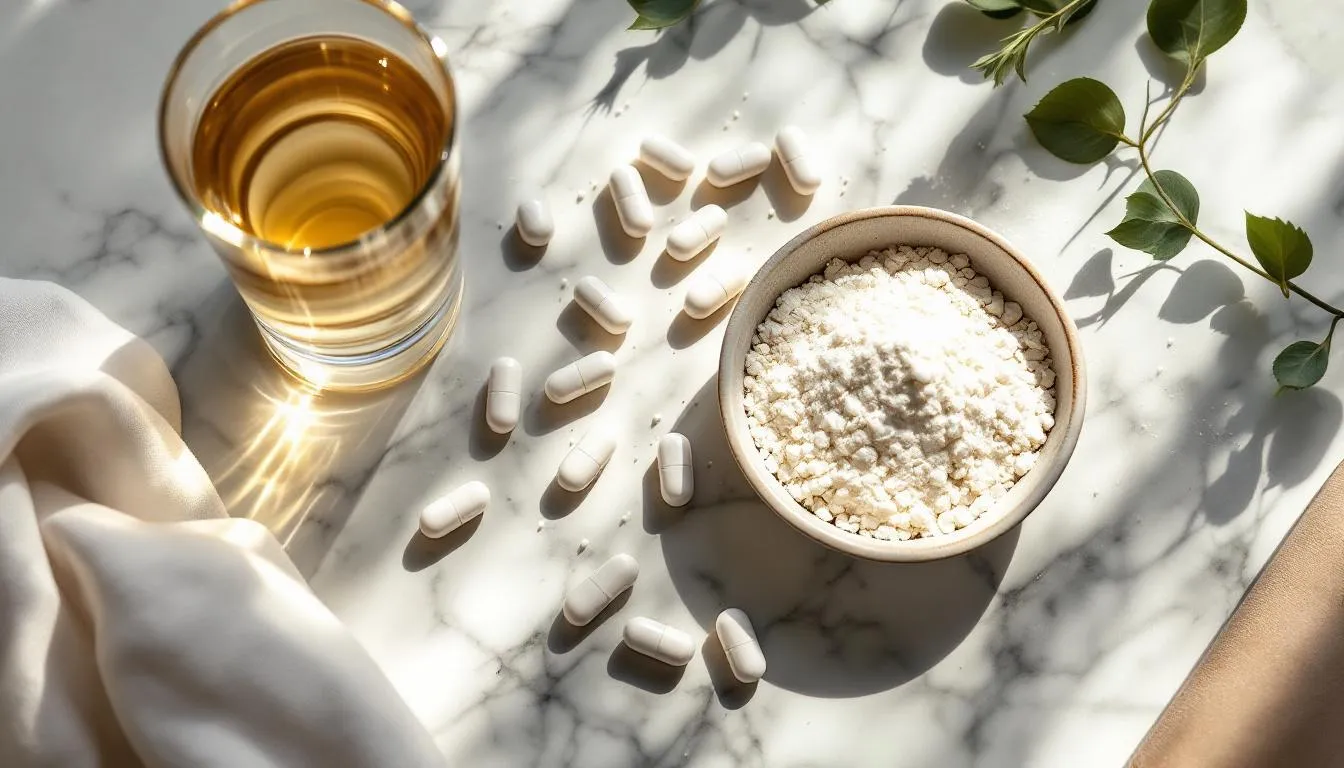
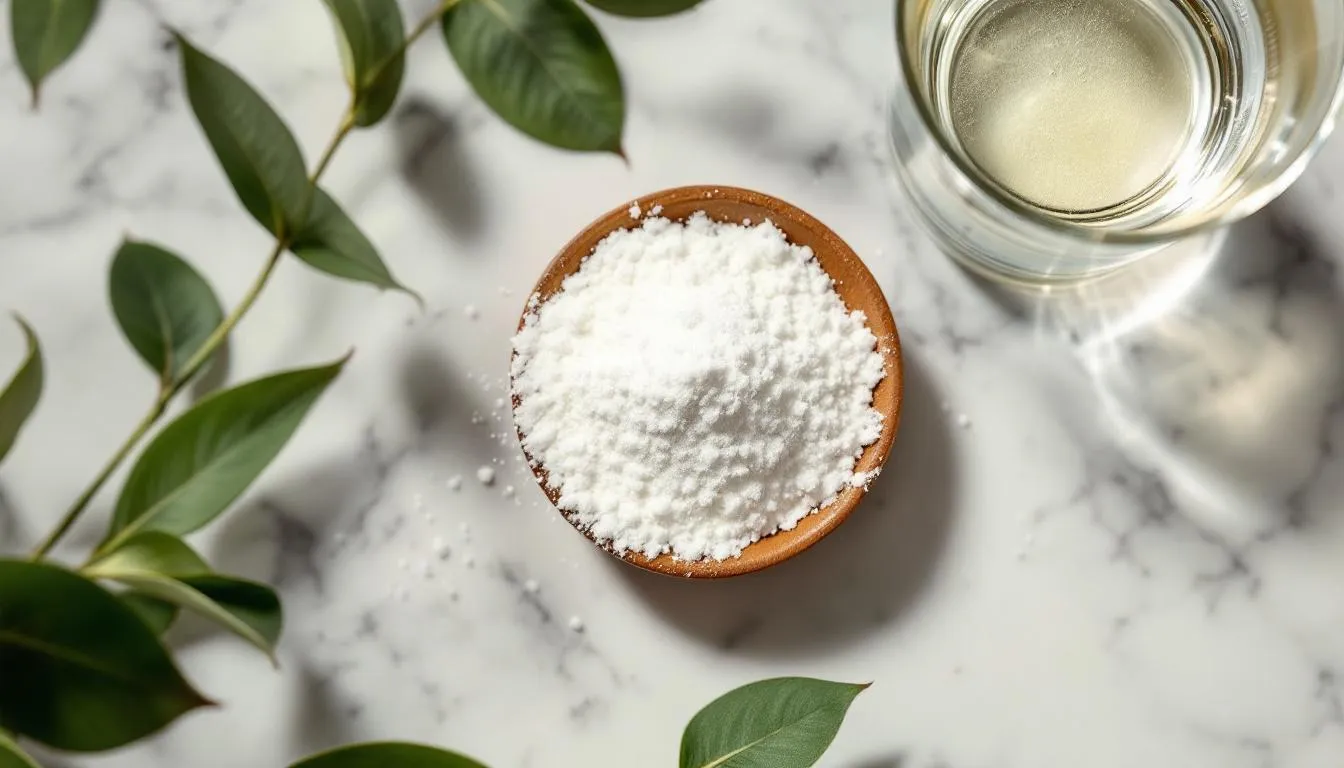
Powder is the dominant form used in research. Glycine powder dissolves completely in water and absorbs faster than encapsulated forms. It has a mildly sweet taste, which makes it genuinely pleasant to mix into a small glass of water or herbal tea before bed. For a 3-gram dose, powder is also far more cost-effective. Most capsule products contain 500-750 mg of glycine per capsule, meaning you'd need 4-6 capsules to reach the therapeutic dose.
Capsules are more convenient if you travel frequently or if you're already taking several supplements before bed. The capsule shell adds a few minutes to absorption, but if you take them 60 minutes before bed, that's not a practical problem.
One thing worth knowing: "glycine" and "L-glycine" on supplement labels are identical. Glycine has no chiral center, so there's no D and L form. Don't pay a premium for one labeling over the other. Any product with a certificate of analysis showing 98% or higher purity is functionally the same compound.
Check that your glycine stacks cleanly with other supplements you're already taking, particularly if you have a complex pre-sleep stack.

How glycine compares to other sleep supplements
Most people already have melatonin somewhere in their house. Understanding where glycine fits relative to other common options helps you make smarter decisions about your stack.
Glycine vs. melatonin
These two are solving different problems.
Melatonin corrects circadian timing. Jet lag, shift work disorder, delayed sleep phase, too much screen light in the evening. At low doses (0.3-1 mg), it's effective for circadian phase issues with minimal side effects. At the high doses (5-10 mg) most people take, it can cause morning grogginess and receptor desensitization over time.
Glycine improves sleep quality and onset for people whose circadian timing is basically fine but whose body doesn't make the physiological transition into sleep efficiently. It won't correct circadian misalignment. And melatonin won't improve slow wave sleep latency.
They're complementary, not competing. Many people benefit from using both at low doses, melatonin for circadian support and glycine for the thermoregulatory transition.
Glycine vs. magnesium
Magnesium works through a completely different pathway: GABA potentiation, muscle relaxation, reduced cortisol, and parasympathetic nervous system support. It's particularly effective if you're deficient, which is common in Western populations.
Magnesium glycinate (one of the better-absorbed forms for sleep) delivers both magnesium AND glycine, but the glycine content is small. A typical serving provides about 126 mg of glycine, well below the 3-gram therapeutic dose. Standalone glycine is still needed to hit meaningful levels.
The two work well together because the mechanisms don't overlap.
Glycine vs. taurine
Taurine for sleep works through GABA-A receptor activation and glycine receptor modulation. It reduces anxiety, promotes calmness, and has evidence for sleep quality improvement, though the clinical trial base is thinner than glycine's.
Glycine and taurine are complementary rather than redundant. Taurine's GABA-A activity adds a calming, anxiolytic dimension that glycine doesn't provide through its thermoregulatory mechanism. Stacking them is common and mechanistically sensible. If you're looking at the glycine and taurine combination, both compounds target sleep through different receptor systems, and neither one replaces the other.
Glycine vs. L-theanine
L-theanine promotes alpha-wave activity in the brain and has mild anxiolytic effects through GABA modulation. Some research suggests that part of L-theanine's benefit comes from increasing glycine release in the brain itself, pointing to overlapping downstream pathways. L-theanine is more calming-focused and works well for anxiety-driven sleep difficulty. Glycine is more physiological, targeting temperature and circadian mechanisms directly.
Glycine vs. prescription sleep aids
Not a fair potency comparison, but a useful safety comparison. Benzodiazepines and z-drugs (like zolpidem) produce stronger sedation but come with significant costs: morning impairment, dependency, rebound insomnia, fall risk (especially in older adults), and cognitive side effects with chronic use. Antihistamines like diphenhydramine knock you out but suppress REM sleep and cause significant next-day cognitive impairment.
Glycine produces none of these side effects. It's not a replacement for prescription medications when those are genuinely indicated, but it's a compelling option before escalating to something stronger. Tracking your biological age can also help you see whether your sleep improvements are translating into measurable longevity benefits over time.
Stacking glycine for better sleep
Glycine's primary mechanism doesn't overlap with most other sleep supplement pathways, which makes it a good anchor for a more comprehensive stack.
The minimal effective stack
If you want to start simple: 3 grams of glycine, 45-60 minutes before bed. That's the entire evidence base condensed into one recommendation. The research doesn't require anything more complicated than this.
The foundational sleep stack
Glycine 3g + magnesium 200-400 mg elemental (as threonate or bisglycinate) + low-dose melatonin (0.3-0.5 mg)
This covers three distinct pathways: thermoregulation via the SCN (glycine), GABA/muscle relaxation (magnesium), and circadian signaling (melatonin). The key is using low-dose melatonin. Most commercial melatonin products are dosed at 5-10 mg, which is far above what the pineal gland naturally produces. Doses of 0.3-0.5 mg are physiologically closer to natural levels and less likely to cause receptor downregulation with nightly use.
Adding taurine to the stack
Some people add 1-2 grams of taurine to the foundational stack. Taurine's GABA-A agonism adds an anxiolytic dimension that glycine alone doesn't provide. This is particularly useful if your sleep difficulty is driven partly by an overactive mind at bedtime, racing thoughts, or difficulty winding down after high-stress days. You can read more about the glycine and taurine combination and how the two compounds work through different receptor systems.
Separately, if you've been struggling with sleep that's been affecting your broader health markers, exploring how berberine affects sleep is worth reading. Berberine's metabolic effects can indirectly improve sleep quality through blood sugar stabilization.
Stacks to avoid
Glycine + clozapine: Documented antagonistic interaction from a 1999 American Journal of Psychiatry study. High-dose glycine did not augment clozapine's effects and may have reduced them. If you're taking clozapine, avoid glycine.
Glycine + prescription benzodiazepines or z-drugs: Both glycine and these medications depress CNS activity. Additive sedation is a theoretical risk. Talk to your prescribing physician before combining.
Glycine + alcohol: Alcohol impairs sleep architecture despite making you feel drowsy. Combining it with glycine won't fix the underlying damage to REM sleep that alcohol causes.
Before adding anything new to your pre-sleep stack, check supplement interactions with WinAging's interaction checker to confirm the combinations you're considering are safe.

Who benefits most from glycine for sleep
Glycine isn't equally useful for everyone. Some people will notice a clear difference within the first week. Others won't feel much.
You're most likely to benefit if:
You have trouble falling asleep but generally sleep through the night once you're out. Glycine's strongest evidence is for shortening sleep onset latency and time to slow wave sleep, not for maintaining sleep through the night.
You run warm at night. Since glycine's main mechanism is promoting peripheral vasodilation and core temperature reduction, people who tend to overheat in bed often see the clearest response. Hot sleepers, people in warm climates, and perimenopausal or postmenopausal women dealing with hot flashes may find glycine particularly effective.
You're regularly sleep-restricted. If you're not getting your full hours, glycine can meaningfully improve next-day alertness and cognitive performance even without extending time in bed. The Bannai study specifically tested this scenario and found significant improvements in reaction time and fatigue scores.
You're over 35. Age-related changes in sleep architecture include less deep slow wave sleep and more fragmented sleep overall. Glycine specifically shortens latency to slow wave sleep. Older adults also benefit from glycine's clean safety profile compared to prescription sleep aids, which carry real risks in aging populations: falls, cognitive impairment, dependency.
You wake feeling unrefreshed despite sleeping long enough. Glycine consistently improves subjective sleep quality, which includes that sense of actually waking up restored rather than just having logged the hours.
You want something without next-day grogginess. Glycine produces no morning impairment. Studies consistently show no day-after cognitive or coordination impairment, and some trials show actively improved alertness the following day.
You should proceed with caution or avoid glycine if:
You're taking clozapine. Documented antagonistic interaction. You're on multiple prescription medications that depress CNS activity. Talk to your prescribing physician before adding any supplement. You have severe chronic kidney or liver disease, as glycine metabolism depends on both organs and impaired clearance could lead to accumulation. You're pregnant or breastfeeding. Safety data is insufficient. You have obstructive sleep apnea. Glycine doesn't address airway obstruction. OSA needs medical treatment. And you're a child. No established safe pediatric dose exists.
Glycine, sleep, and the longevity connection
Poor sleep isn't just unpleasant. It's one of the most potent accelerators of biological aging.
Chronic sleep disruption elevates cortisol. It increases inflammatory markers including IL-6 and TNF-alpha. It impairs growth hormone secretion, which peaks during slow wave sleep. It accelerates cellular senescence. It disrupts glymphatic clearance of amyloid beta, the waste removal process that happens primarily during deep sleep and that most researchers believe plays a role in Alzheimer's risk. And it worsens every downstream health metric from insulin sensitivity to cardiovascular function.
Improving sleep quality isn't just about feeling better the next day. It's a genuine longevity intervention, arguably one of the highest-leverage ones available that doesn't cost much.
Glycine sits at an interesting intersection here. It improves sleep quality directly through the SCN and thermoregulatory mechanisms. But it also supports collagen synthesis, glutathione production (your primary antioxidant defense), methylation through its relationship with the one-carbon cycle, and glycine-conjugated bile acid production. Glycine's anti-aging role extends well beyond sleep into cellular repair and metabolism.
If you're building a longevity stack and sleep is an afterthought, that's the gap worth closing first. The free longevity tools on WinAging can help you establish baseline measurements. And if you want a personalized stack that accounts for your sleep, your biomarkers, your goals, and everything else you're taking, WinAging's AI protocol builder is built exactly for that, walking through 30+ data points about your health to design a protocol that actually fits you.
Safety profile and side effects
Glycine has one of the cleanest safety records of any supplement in the longevity space.
At the 3-gram dose used for sleep, most people tolerate it without issues. A small percentage (probably under 5%) notice mild nausea, particularly when taking glycine on an empty stomach. This typically resolves either by taking it with a small snack or simply within a few days as your body adjusts.
At higher doses, GI discomfort and soft stool become more common above 9 grams per day. These effects are reversible and dose-dependent. No organ toxicity has been documented at any reasonable dose in published literature. An acute dose study using 9 grams in a single sitting found only minor, transient GI symptoms.
What glycine doesn't cause:
No morning grogginess. Studies consistently show no next-day impairment, and some trials show improved alertness. No tolerance development. No published study has found glycine's sleep effects diminishing with continued use. No dependency. Discontinuing glycine doesn't produce rebound insomnia or any withdrawal-like effects. No sleep architecture disruption. Glycine helps you reach natural sleep stages more efficiently. It doesn't distort the architecture itself.
The most clinically significant interaction is with clozapine, as documented in the psychiatry literature. A 1999 American Journal of Psychiatry study found high-dose glycine may antagonize clozapine's effects. If you're on any antipsychotic medications, talk to your prescriber before adding glycine.
For everyone else, the risk-benefit calculation strongly favors trying it. Three grams is cheap, safe, and well-studied relative to most sleep supplements. Use WinAging's supplement interaction tool to double-check your full stack before starting.
Frequently asked questions
Does glycine work for sleep?
Yes, with some caveats about evidence quality. Multiple clinical trials show that 3 grams before bed shortens sleep onset latency, reduces time to slow wave sleep, and improves subjective sleep quality. The human trials are small but consistently positive. The mechanistic animal data is well-characterized and robust. It's one of the better-supported natural sleep supplements available.
How much glycine should I take for sleep?
3 grams. That's the dose used in every published human sleep study, and there's no evidence that higher doses improve sleep outcomes. Start at 1-2 grams if you're sensitive to new supplements.
When should I take glycine for sleep?
45-60 minutes before your intended sleep time. This gives the amino acid time to absorb, reach the suprachiasmatic nucleus, trigger the vasodilation cascade, and allow core body temperature to start dropping before you get into bed.
Can I take glycine every night?
Yes. No tolerance development has been documented in any published study. There's no dependency risk and no rebound insomnia when you stop. Daily long-term use at the 3-gram dose appears safe based on available evidence.
Can glycine replace melatonin?
No, and the two don't really compete. Melatonin corrects circadian timing issues: jet lag, shift work, delayed sleep phase. Glycine improves sleep quality and onset for people with normal circadian alignment who just don't transition into sleep efficiently. They're complementary tools for different problems.
Does glycine cause next-day grogginess?
No. This is one of glycine's most notable advantages over conventional sleep aids. Studies show no morning impairment, and some trials specifically document improved next-day alertness and cognitive performance on reaction time tests.
Is glycine safe to take with other supplements?
Generally yes, with specific exceptions. Avoid combining with clozapine (documented interaction). Use caution with CNS depressants. Check your full supplement combination before adding glycine to an existing stack.
What form of glycine is best for sleep?
Powder dissolved in water absorbs the fastest and is the form used in most research. It also has a mildly sweet taste that makes it pleasant. Capsules work too. If using capsules, take them 60 minutes before bed rather than 45 to account for the additional digestion time.
Related guides
- Glycine dosage for anti-aging: what the research shows
- Glycine and taurine: why the combination works
- Taurine for sleep: what the evidence says
- Best time to take glycine: morning or night?
- Supplement interaction checker
Sources
- Yamadera et al. 2007: Glycine ingestion improves subjective sleep quality in human volunteers (Wiley)
- Bannai and Kawai 2012: The effects of glycine on subjective daytime performance in partially sleep-restricted healthy volunteers (PMC3328957)
- Kawai et al. 2015: The sleep-promoting and hypothermic effects of glycine are mediated by NMDA receptors in the suprachiasmatic nucleus (PMC4397399)
Sleep is one of the highest-leverage longevity interventions you have access to, and it doesn't require a prescription. Start simple: 3 grams of glycine, dissolved in water, 45 minutes before bed. See how the first week feels. For a complete longevity stack built around your specific goals, biomarkers, and what you're already taking, try the WinAging AI protocol builder.