NOW Foods taurine: complete review and guide
NOW Foods taurine is one of the most popular amino acid supplements on the market. Here's everything you need to know: dosage, benefits, science, and how to stack it.
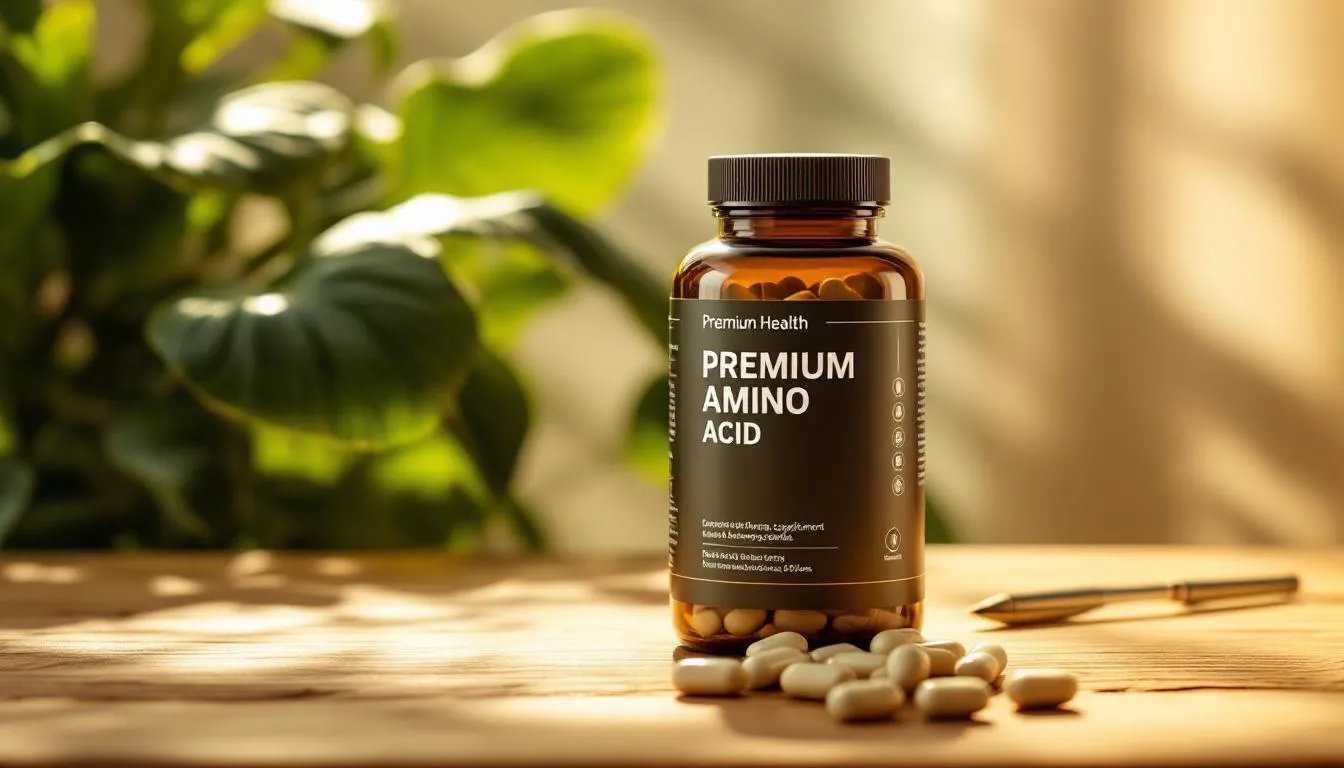
You've probably seen NOW Foods taurine on Amazon. It's everywhere. Thousands of reviews, rock-bottom price, and a brand name that's been around since 1968. But is it actually good? And more importantly, should you be taking taurine at all?
Those are the right questions. Because taurine has quietly become one of the most scientifically interesting amino acids in the longevity world, and most people either don't know about it or drastically underdose it. The research published in Science in 2023 genuinely changed how researchers think about taurine and aging. And NOW Foods happens to be one of the easiest ways to get it without spending a fortune.
This guide covers everything: what taurine actually does in your body, what the latest science says about its role in aging, how NOW Foods stacks up as a brand, which product to buy, how to dose it, and how to stack it with other longevity compounds. By the end, you'll know exactly whether NOW taurine belongs in your stack and how to use it right.
What is taurine, and why are longevity researchers excited about it?
Taurine isn't exactly a household name. But it should be.
It's a conditionally essential amino acid found in high concentrations throughout your body, particularly in the brain, heart, muscles, and retina. Unlike most amino acids, taurine doesn't get incorporated into proteins. Instead, it acts more like a cellular signaling molecule, an antioxidant, and a regulator of many critical biological processes.
Your body makes some taurine on its own. You also get it from food, mostly meat, fish, and seafood. The problem is that as you age, your taurine levels drop. Significantly.
That's where the research gets interesting.
The landmark 2023 study that changed everything
In June 2023, a paper published in Science by researchers at Columbia University made waves in the longevity community. The study, led by Dr. Vijay Yadav, found that taurine levels decline dramatically with age across multiple species, including mice, monkeys, and humans.
The researchers then supplemented middle-aged mice with taurine for their remaining lifespan. The results were striking. Female mice lived about 12% longer on average. Males about 10% longer. That's roughly the equivalent of seven to eight extra human years.
But lifespan extension was just part of the story. The taurine-supplemented mice also showed improvements in bone density, muscle strength, gut health, and metabolic markers. They looked and functioned younger. The researchers called taurine deficiency "a driver of aging."
Now, mice aren't humans. And it's important to be honest about that. There are no long-term human lifespan trials, and we probably won't see any for decades. A 2025 analysis in Nature pushed back on some of the biomarker claims, noting that taurine levels don't decline uniformly across all human populations and may not be a reliable aging biomarker. The science is still evolving.
But the mechanistic evidence is solid. Taurine does things in the body that matter for longevity. And the safety profile is excellent. So the risk-reward calculation for supplementation looks pretty favorable, especially when a month's supply costs less than a coffee.
WinAging covers the full longevity supplement landscape, from well-established compounds to emerging research like taurine. Science-backed, no hype, just the stuff worth knowing.
How taurine works in the body
Taurine's effects aren't from a single mechanism. It works across several pathways simultaneously.
Cell membrane stabilization. Taurine helps regulate the flow of potassium, sodium, calcium, and magnesium in and out of cells. This is foundational for heart function, nerve signaling, and muscle contraction. Cells that don't maintain proper ion balance stop working efficiently, and eventually stop working altogether.
Mitochondrial support. The 2023 Science study found that taurine supplementation increased mitochondrial complex I activity in mice. Your mitochondria are the energy factories of your cells, and mitochondrial dysfunction is one of the hallmark mechanisms of aging. Compounds that support mitochondrial health are consistently valuable in the longevity world, whether that's CoQ10, creatine, or taurine.
Reducing cellular senescence. Senescent cells, sometimes called "zombie cells," accumulate as you age. They don't function properly but they don't die either. They just sit there releasing inflammatory signals that damage surrounding tissue. The 2023 taurine research found that supplementation reduced cellular senescence in multiple tissues. That's significant.
Antioxidant and anti-inflammatory activity. Taurine is one of the most abundant antioxidants in the body. It scavenges hypochlorous acid, a powerful oxidant produced by your immune cells that can damage surrounding tissue if not neutralized. It also modulates inflammatory signaling, which matters because chronic low-grade inflammation is a core driver of aging.
Neurotransmitter function. In the brain, taurine acts as an inhibitory neurotransmitter, similar to GABA and glycine. This is part of why it's often associated with calm, sleep quality, and stress reduction. If you're taking glycine for sleep, you'll find taurine has some overlapping mechanisms, and they stack well together.
Bile salt conjugation. In the liver, taurine is used to form bile salts, which are essential for fat digestion and the absorption of fat-soluble vitamins like D, K, E, and A. If you're supplementing with vitamin D3 or K2, adequate taurine levels support absorption.
The cardiovascular science behind taurine
If there's one system where taurine's evidence is strongest, it's the heart and blood vessels.
A 2024 systematic review and meta-analysis published in Nutrition Journal analyzed 20 randomized controlled trials including 808 participants. The findings were consistent: taurine supplementation significantly reduced heart rate, systolic blood pressure, and diastolic blood pressure, while also improving left ventricular ejection fraction (how efficiently the heart pumps blood).
The numbers from a key randomized, double-blind, placebo-controlled study are worth noting. In 120 prehypertensive individuals supplemented with 1.6 grams of taurine per day for 12 weeks, clinic systolic blood pressure dropped by 7.2 mm Hg in the taurine group versus 2.6 mm Hg in the placebo group. Diastolic blood pressure dropped 4.7 mm Hg versus 1.3 mm Hg. That's a meaningful effect for something that costs pennies per day.
Taurine also improved endothelial function in these studies, meaning the cells lining your blood vessels worked better. Healthy endothelial function is associated with lower cardiovascular disease risk, better circulation, and better erectile function in men.
The mechanism isn't mysterious. Taurine appears to increase production of hydrogen sulfide (H2S), a gaseous signaling molecule that relaxes blood vessels and reduces blood pressure. It also reduces oxidative stress in vascular tissue, which is one of the primary contributors to arterial stiffening and plaque formation over time.
For anyone in the 35-65+ age range, these cardiovascular effects alone make taurine worth considering. Blood pressure is one of the most powerful predictors of cardiovascular events. Modest reductions compound over decades.
A 2024 meta-analysis in Nature specifically focused on metabolic syndrome found that taurine significantly reduced fasting blood glucose and triglycerides across 25 human trials. These are two of the five criteria for metabolic syndrome, a cluster of conditions that dramatically increases risk of heart disease, stroke, and type 2 diabetes.
Taurine and brain function
Your brain loves taurine. It's present in high concentrations throughout the central nervous system and plays several roles that affect how you think, feel, and sleep.
As an inhibitory neurotransmitter, taurine helps balance excitatory signaling in the brain. Too much excitation, not enough inhibition, is associated with anxiety, poor sleep quality, and over time, neurotoxicity. Taurine helps keep things calm.
This is why taurine is a standard ingredient in most sleep formulas and why many people report that it helps them fall asleep faster and sleep more deeply. We've covered taurine specifically for sleep in detail, including what dose to use and when to take it. The research there is solid, particularly for people who struggle with racing thoughts at night.
In the aging brain, taurine's role becomes even more important. Neuroinflammation, oxidative stress in neurons, and mitochondrial dysfunction in brain cells are all mechanisms that taurine directly targets. A 2024 study published in Scientific Reports found that taurine supplementation mitigated age-related declines in neuroplasticity in animal models, suggesting it helps the brain maintain its ability to form new connections.
This stacks nicely with glycine and taurine as a combination. Both are inhibitory amino acids with overlapping mechanisms, and they appear to work synergistically for sleep quality, stress regulation, and nervous system health.
Exercise performance and muscle health
Taurine has a solid track record in sports nutrition, which is part of why it's a fixture in pre-workout formulas and energy drinks. But the mechanism isn't stimulant-based. Taurine itself is calming, not stimulating. Its exercise benefits come from somewhere else.
First, it helps regulate muscle contraction. By managing calcium flux in and out of muscle cells, taurine supports proper muscle function and reduces the kind of calcium overload that contributes to exercise-induced muscle damage.
Second, it reduces oxidative stress during exercise. High-intensity exercise generates a lot of reactive oxygen species. Taurine acts as a buffer, reducing the oxidative damage that accumulates during training. Multiple studies have found that taurine supplementation reduces markers of exercise-induced muscle damage and delayed onset muscle soreness (DOMS).
Third, it may improve fat oxidation during exercise. Several studies in endurance athletes have found that taurine supplementation increased fat burning during moderate-intensity exercise, which translates to better endurance and sparing of glycogen stores.
The typical dose in exercise studies runs 1-3 grams, taken 60-90 minutes before training. NOW Foods 1,000 mg capsules are a simple way to hit this range without fuss.
If you're also using creatine, taurine pairs well with it. Creatine supports power output and muscle volume. Taurine supports muscle function, reduces damage, and helps with recovery. They target different mechanisms and don't interfere with each other.

About NOW Foods: who they are and why their quality matters
There are hundreds of supplement brands. Most of them you can ignore. NOW Foods isn't one of them.
NOW Foods was founded in 1968 by Elwood Richard in a basement in Evanston, Illinois. It's still family-owned today, which is rare in an industry that's been heavily consolidated by private equity. The company has never been sold. That matters because the incentive structure is different. Long-term reputation beats short-term cost-cutting.
They manufacture everything in-house across multiple facilities in the United States. Not all supplement companies do this. Many are just label companies that outsource to contract manufacturers with much looser quality controls.
Quality and certifications
NOW Foods was one of the first dietary supplement companies to seek GMP (Good Manufacturing Practices) certification, earning an 'A' rating from the Natural Products Association back in 2000. They were also awarded Underwriters Laboratories (UL) certification for their supplement facilities, and they're certified by Intertek as meeting Supplement Safety and Compliance Initiative (SSCI) benchmarks.
These aren't marketing badges. They require regular third-party audits, documentation of manufacturing procedures, testing protocols, and corrective action when things don't meet standards.
The testing goes beyond what most brands do. NOW runs more than 31,000 in-house tests each month across their products. They test for identity (is this actually the ingredient it says?), purity, heavy metals, pesticides, agricultural chemicals, and possible adulterants including pharmaceutical compounds. Their sports supplements are additionally tested by Informed Sport for banned substances.
No proprietary blends. No mystery fillers. Just the ingredient, the dose, and a vegetable capsule. Use the WinAging supplement interaction checker if you want to verify taurine works with anything else you're already taking.
Transparency and value
NOW's price point is consistently lower than most premium supplement brands. A 100-count bottle of NOW Taurine 1,000 mg typically runs $15-18 depending on where you buy it. That's roughly 15-18 cents per gram of taurine. For comparison, many "premium" brands charge two to three times that for the same ingredient with no meaningful quality advantage.
This isn't a race to the bottom. NOW achieves low prices through scale and vertical integration, not by skimping on ingredient quality. They're genuinely one of the best value propositions in the supplement world, particularly for straightforward amino acids like taurine, glycine, and creatine.
NOW Foods taurine: the product lineup
NOW offers taurine in three forms. Here's what to know about each.
Taurine 500 mg vegetable capsules (100 count)
The standard entry point. One capsule twice daily gets you to 1 gram total, which is on the lower end of the therapeutic range but appropriate for someone starting out or using taurine primarily for sleep and nervous system support.
The serving suggestion from NOW is 1 capsule 1-4 times daily with juice or water, preferably between meals. The veg caps are cellulose-based and suitable for vegetarians and vegans. There's nothing in the capsule except taurine, rice bran, and the capsule shell.
At 100 capsules, a single bottle lasts 25-100 days depending on your dose. At the usual twice-daily protocol, you're looking at 50 days per bottle.
Taurine 1,000 mg vegetable capsules (double strength)
This is the one most people should buy. One capsule twice daily hits the 2 gram daily total that most longevity researchers consider the minimum effective dose for systemic benefits. The double-strength version comes in 100 and 250 count bottles.
The 250-count bottle is particularly good value for daily users. At two capsules daily, you get 125 days from a single bottle. At the time of writing, that runs about $18-20, or roughly 8-10 cents per day. That's an extremely low cost-per-benefit ratio for a compound with this level of research backing.
Taurine powder
For people who prefer to add their amino acids to shakes or who want to take higher doses (3-6 grams daily), NOW also makes pure taurine powder. It's unflavored, dissolves easily in water or juice, and is virtually tasteless. This is the most economical option per gram and works well for anyone stacking glycine powder and taurine together in a single drink.
Taurine powder also makes it easy to titrate your dose precisely. If you're experimenting with higher doses based on the longevity research (the Columbia mouse study used doses roughly equivalent to 3-6 grams per day in humans), powder is the practical choice.
How much taurine should you take?
This is where the science doesn't give us one clean answer. The clinical trials use a range of doses, and the longevity research suggests higher amounts than what's commonly recommended.
Basic daily supplementation (1-2 grams)
For general health support, nervous system function, cardiovascular health, and sleep quality, 1-2 grams daily is a reasonable starting point. This is achievable with two NOW Taurine 500 mg capsules or one NOW Taurine 1,000 mg capsule per day.
Split the dose if you're taking 2 grams daily: 1 gram in the morning, 1 gram in the evening or before bed. Taurine has a relatively short half-life, and splitting doses maintains more consistent blood levels.
Cardiovascular-focused dosing (1.5-3 grams)
The blood pressure study that showed the most impressive results used 1.6 grams daily. The meta-analyses on cardiovascular outcomes generally used doses in the 1.5-3 gram range. If heart health is your primary goal, aim for at least 1.5-2 grams daily, split into two doses.
Sleep and relaxation dosing (0.5-2 grams before bed)
For sleep support, many people find 500 mg to 2 grams taken 30-60 minutes before bed works well. We go into more detail on this in the taurine for sleep guide. If you're also using glycine for sleep or glycine and taurine together, you can take both compounds at the same time before bed.
Exercise performance dosing (1-3 grams pre-workout)
Take 1-3 grams 60-90 minutes before training. Some people prefer powder for this application, mixed into a pre-workout drink. Higher doses (2-3 grams) are more common in endurance sports, where the fat oxidation and anti-fatigue effects are most relevant.
Longevity-focused dosing (3-6 grams)
Based on the animal research and body weight scaling from the 2023 Science study, some longevity researchers estimate that equivalent human doses might be 3-6 grams per day. This range is well within safe limits. But we don't have human lifespan data to confirm that higher doses produce better longevity outcomes.
If you're pursuing longevity protocols seriously, the WinAging AI protocol builder can help you design a personalized stack based on your age, health profile, and goals. It takes into account how compounds like taurine interact with everything else you're taking.
For reference, check what your biological age currently is before building out your stack. The biological age calculator gives you a baseline to measure progress over time.
Timing
Taurine is versatile on timing. Take it with or without food. The main consideration is what you're optimizing for:
- Morning: General energy, cardiovascular support, metabolic function
- Pre-workout: Performance and recovery
- Evening/before bed: Sleep, nervous system recovery, GABA-like effects
There's no evidence that you need to cycle taurine or take breaks. It's a naturally occurring compound your body makes and uses constantly. Daily supplementation to compensate for age-related decline makes sense.
Taurine safety profile
This is one area where taurine stands out: it's exceptionally safe.
Human studies have used doses up to 6 grams per day without significant adverse effects. The research arm of this goes back decades; taurine's safety was established long before the longevity research hit its current momentum.
The European Food Safety Authority reviewed taurine supplementation and concluded that up to 6 grams per day is safe for adults. Most researchers consider this a conservative number.
There are a few things to keep in mind.
Kidney disease: If you have compromised kidney function, speak with your doctor. Taurine is excreted by the kidneys, and high doses may not be appropriate.
Drug interactions: Taurine may slightly lower blood pressure. If you're already on blood pressure medication, monitor accordingly. There's no dangerous interaction documented, but additive effects could make blood pressure go lower than intended.
Pregnancy and breastfeeding: Insufficient data to make strong recommendations. Taurine is found in breast milk and appears important for infant brain and eye development, but supplemental doses during pregnancy haven't been studied rigorously.
For the vast majority of healthy adults, taurine at 1-6 grams daily is as safe as supplements get.
How to stack NOW taurine with other longevity compounds
Taurine doesn't just work in isolation. It has natural synergies with several other compounds worth knowing about.
Taurine and glycine
This is arguably the most natural pairing. Both are inhibitory amino acids with overlapping mechanisms in the nervous system. Both support sleep quality. Both have cardiovascular benefits. And both are cheap, safe, and available in bulk powder form.
The combination tends to produce better sleep results than either alone, particularly for people whose sleep problems involve anxiety or nervous system dysregulation rather than circadian rhythm issues. We've covered glycine and taurine as a combination in detail. If you're experimenting with glycine for anti-aging, adding taurine alongside it is a logical step.
Taurine and magnesium
Magnesium and taurine share some complementary mechanisms in cardiovascular health. Both support blood pressure regulation. Both support nervous system function. The combination magnesium taurate is actually a pharmaceutical formulation in some countries, used specifically for cardiovascular support.
If you're already taking magnesium (and you should be, given widespread dietary insufficiency), pairing it with taurine is a sensible stack for heart health.
Taurine and creatine
Different mechanisms, compatible effects. Creatine supports phosphocreatine resynthesis and muscle volume. Taurine supports muscle cell function, reduces oxidative damage, and improves recovery. Athletes who use both tend to notice better training capacity and faster recovery between sessions.
Instantized creatine dissolves easily into drinks, making it simple to stack with taurine powder in the same shake.
Taurine and berberine
If metabolic health is your focus, this pairing is interesting. Berberine and alpha lipoic acid is another metabolic combo worth knowing. Taurine reduced fasting blood glucose and triglycerides in the meta-analyses mentioned earlier. Berberine works through AMPK activation to improve insulin sensitivity. They're addressing metabolic health through different pathways and don't have any known negative interactions.
Always check compound combinations with the supplement interaction checker before adding anything new to your stack.
Taurine and NMN or NR
The longevity compound pairing that's getting the most attention right now is taurine alongside NAD+ precursors like NMN or NR. The reasoning: NMN boosts NAD+ levels to support sirtuin activity and mitochondrial function. Taurine reduces cellular senescence and mitochondrial dysfunction. They're targeting overlapping but distinct aspects of cellular aging.
There's no specific human trial on this combination, but mechanistically they're complementary. If you've been on NMN or resveratrol and wondering what else to add, taurine is a reasonable next step given its strong safety profile and plausible mechanisms.
NOW taurine 500 mg vs 1,000 mg: which should you buy?
The honest answer: for most people, 1,000 mg capsules are the better buy.
Here's why. The research on taurine's most studied benefits, cardiovascular health, blood pressure reduction, and longevity mechanisms, consistently uses doses of 1.5-3 grams daily. To hit that range with 500 mg capsules, you'd take 3-6 capsules daily. With 1,000 mg capsules, you take 2-3 capsules daily.
The 1,000 mg formulation is also better value per gram. The 250-count bottle costs about the same as the 100-count 500 mg bottle but delivers 2.5x more taurine.
The only reasons to choose 500 mg:
- You want to start very low and titrate up slowly
- You're particularly sensitive to supplements and prefer half doses
- You've already got the 500 mg on hand
For everyone else: 1,000 mg double strength, 250 count. That's the move.
If you're going above 3 grams daily, the powder is more economical. NOW's 8 oz taurine powder runs about $20-25 and contains roughly 250 grams of taurine, enough for 83 days at 3 grams per day.
Who should (and shouldn't) take taurine?
Taurine supplementation makes sense for a broad range of people.
Good candidates:
Anyone over 35 who wants to support cardiovascular health. Taurine levels decline with age, and the cardiovascular evidence is the strongest in the human literature.
People with high-normal blood pressure. The blood pressure studies are particularly compelling here. Even modest reductions compound significantly over years and decades.
Athletes and active people. The exercise recovery and anti-oxidative stress effects are well-documented and relevant at any age.
People who struggle with sleep quality or anxiety. Taurine's inhibitory neurotransmitter effects are real and useful. It works particularly well combined with glycine.
Anyone building a longevity stack who wants to address the cellular senescence and mitochondrial pathways suggested by the 2023 Science research.
Who should be cautious:
People with kidney disease. Talk to your doctor first. Taurine is renally excreted, and impaired kidney function changes the picture.
People on blood pressure medications. Not dangerous, but the additive effects mean you'll want to monitor your blood pressure and possibly adjust medications with your physician.
People with taurine-rich diets (high seafood consumers) who don't particularly need it. If your diet is high in animal proteins, particularly fish and shellfish, you're already getting meaningful taurine. Supplementation still won't hurt, but the marginal benefit may be smaller.
Frequently asked questions
What does NOW Foods taurine do?
NOW Foods taurine provides the amino acid taurine, which supports cardiovascular health, nervous system function, mitochondrial efficiency, and antioxidant activity. Clinical trials have shown that taurine supplementation can lower blood pressure, reduce blood glucose and triglycerides, and improve heart function. The 2023 Science study also linked taurine deficiency to accelerated aging in animal models.
How much NOW taurine should I take per day?
Most adults do well at 1-3 grams daily. For sleep and stress support, 500 mg to 1 gram before bed. For cardiovascular benefits, 1.5-2 grams split across two doses. For exercise performance, 1-3 grams taken 60-90 minutes pre-workout. If you're pursuing longevity protocols based on the 2023 research, some experts suggest up to 3-6 grams daily, which is within established safe limits.
Is NOW Foods a good brand for taurine?
Yes. NOW Foods is one of the most reputable supplement manufacturers in the United States. They're family-owned, GMP-certified, and run more than 31,000 in-house tests monthly for purity, potency, heavy metals, and contaminants. Their taurine contains no proprietary blends or unnecessary additives. For a simple amino acid like taurine, NOW is hard to beat on quality and value.
Can I take taurine every day?
Yes. Taurine is a naturally occurring amino acid your body makes and uses constantly. Daily supplementation is appropriate and well-tolerated. There's no evidence that cycling is necessary or beneficial. Long-term human studies have found no adverse effects at doses up to 6 grams daily.
When is the best time to take taurine?
It depends on your goals. For sleep, take 500 mg to 2 grams 30-60 minutes before bed. For cardiovascular and general health, split the dose morning and evening. For exercise, take 1-3 grams 60-90 minutes before training. There's no strict rule; taurine doesn't have a short-lived stimulant effect that requires precise timing.
Does taurine make you sleepy?
Taurine doesn't cause drowsiness in the way a sedative would. It's an inhibitory neurotransmitter that promotes nervous system calm, which can make it easier to fall asleep, especially if sleep trouble stems from overactivation or anxiety. Most people don't feel "sleepy" from it during the day; they just feel calmer and less wired. Taurine for sleep covers the research and optimal protocol in more detail.
Can I stack taurine with other supplements?
Yes. Taurine has no significant negative interactions with common supplements. It pairs particularly well with glycine (sleep and nervous system), magnesium (cardiovascular and relaxation), creatine (exercise performance), and NAD+ precursors like NMN (longevity pathways). Use the supplement interaction checker to verify specific combinations for your stack.
Is NOW taurine 500 mg or 1,000 mg better?
For most people, the 1,000 mg (double strength) capsules are the better choice. They're more economical per gram and make it easier to reach the 2-3 gram daily doses that show the most benefit in clinical trials. The 500 mg option makes sense if you're starting low and planning to titrate up.
Does taurine work for longevity?
The honest answer is: we don't know for certain in humans. The 2023 Science study showing lifespan extension in mice is compelling, and the mechanisms (reduced cellular senescence, improved mitochondrial function, lower inflammation) are highly relevant to human aging. But there are no long-term human lifespan trials. The cardiovascular and metabolic benefits in humans are well-documented. Whether those translate to longer life is plausible but unproven. Given taurine's excellent safety profile and low cost, many longevity researchers consider it worth taking based on current evidence.
Related guides
- Taurine for sleep: dosage, timing, and what to expect
- Taurine 500 mg: complete dosage guide
- Glycine and taurine: the amino acid combo for sleep and longevity
- Glycine dosage for anti-aging: what the research says
- Supplement interaction checker
Sources
- Taurine deficiency as a driver of aging, Science 2023
- Insights into the cardiovascular benefits of taurine: a systematic review and meta-analysis
- Taurine reduces the risk for metabolic syndrome: systematic review and meta-analysis, Nature
Taurine is one of those compounds that rewards doing the homework. The research is real, the safety profile is excellent, and the cost is almost comically low for what you're getting. NOW Foods' version is clean, well-tested, and available everywhere.
Start with 1-2 grams daily. Observe how your sleep, energy, and cardiovascular markers respond over 4-8 weeks. If you want a personalized stack that accounts for all your goals, biomarkers, and current protocols, try the WinAging AI protocol builder. It takes about five minutes and builds a longevity protocol designed for you specifically, not a generic recommendation.
The tools are free to explore. The science is here. Now you just have to use it.