Taurine injection: what it is, and should you get one?
IV taurine clinics are everywhere now. Here's what the research actually says about taurine injections vs oral supplements, who benefits, and what it costs.
import { QuickAnswerBox, TableOfContents, TipBox, WarningBox, InfoBox, StatsGrid, FAQSection, RelatedGuides, ArticleCTA, DataTable, NumberedSteps } from '@/components/articles'
IV drip lounges are showing up in strip malls now. Next to the nail salon, next to the juice bar, there's a place where you can sit in a leather chair for 45 minutes and get vitamins pumped into your vein. Taurine is one of the most popular add-ons.
Some people swear by it. Athletes use it for recovery. People with chronic fatigue try it when everything else fails. Biohackers curious about longevity get it because they read about that 2023 study in Science that linked taurine deficiency to accelerated aging.
But here's what most of those clinics won't tell you: there's almost no clinical data specifically on IV taurine in healthy adults. The research on taurine is excellent. The research on intravenous taurine for wellness purposes is nearly nonexistent. Those are two different things, and confusing them is expensive.
This guide breaks down exactly what taurine injection therapy is, what the science actually supports, how oral supplementation compares, when IV delivery might genuinely make sense, and how taurine fits into a real longevity stack.
<QuickAnswerBox title="Taurine injection: the short answer" answer="IV taurine delivers the amino acid directly into your bloodstream, bypassing digestion. For most healthy adults, high-dose oral taurine achieves similar plasma levels at a fraction of the cost. IV taurine has genuine clinical applications in heart failure and certain medical conditions. For general longevity and wellness, 1.5–3 g/day oral supplementation is the evidence-backed approach. IV is an option when oral isn't sufficient or feasible." stats={[ { value: "80%", label: "Taurine decline by old age" }, { value: "1.5–3 g", label: "Evidence-based oral daily dose" }, { value: "$100–500", label: "Typical IV session cost" }, { value: "10–12%", label: "Lifespan increase in mice (taurine)" } ]} />
<TableOfContents items={[ { id: "what-is-taurine", text: "What taurine actually is" }, { id: "why-it-declines", text: "Why taurine drops with age" }, { id: "what-research-shows", text: "What the research shows" }, { id: "injection-vs-oral", text: "Injection vs oral: the real comparison" }, { id: "iv-clinic-experience", text: "What happens at an IV clinic" }, { id: "when-iv-makes-sense", text: "When IV taurine actually makes sense" }, { id: "oral-protocol", text: "The oral supplementation protocol" }, { id: "stacking", text: "How to stack taurine for longevity" }, { id: "faq", text: "Frequently asked questions" }, ]} />
What taurine actually is {#what-is-taurine}
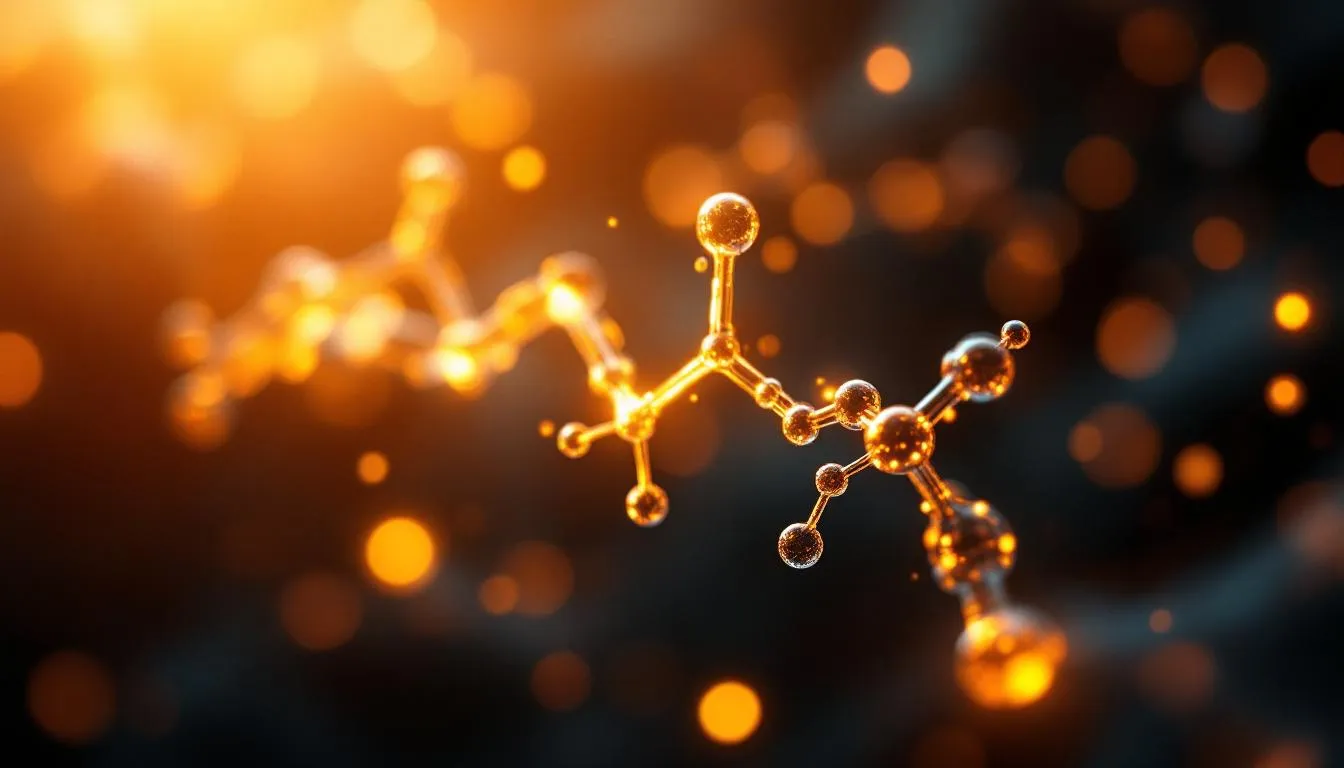
Taurine is a sulfur-containing amino acid, but not one that gets built into proteins. It works as a free molecule, showing up in high concentrations in the heart, muscles, brain, retina, and gut. It's one of the most abundant amino acids in the human body. It's also one of the most misunderstood.
You know taurine from energy drinks. Red Bull. Monster. Rockstar. They all contain it, which is exactly why a lot of people assume it's stimulating. It isn't. The caffeine is doing the stimulating. The taurine is actually functioning as a calming counterbalance, keeping the nervous system from going completely haywire under caffeine's influence.
Taurine's actual jobs in the body are more interesting than that. It acts as an osmolyte, helping cells regulate their volume and water balance. It serves as a bile acid conjugate, pairing with bile acids in the liver to help digest fats. It functions as an antioxidant, neutralizing free radicals. And it modulates calcium in muscle and nerve cells, which has direct implications for heart function.
The body can make taurine on its own, starting with the amino acid cysteine (which comes from methionine). The conversion happens in the liver through a multi-step process involving cysteine dioxygenase and cysteine sulfonic acid decarboxylase. But humans aren't great at this synthesis. Unlike some other species, we rely heavily on dietary intake to maintain adequate levels. Meat, seafood, and eggs are the main sources. Vegetarians and vegans, who eat little or none of these foods, tend to have lower baseline taurine levels.
Dietary intake from an omnivore diet averages roughly 123–178 mg of taurine per day. That sounds like a lot until you look at what clinical research uses: doses of 1.5–6 grams daily. Supplementation bridges a significant gap that diet alone can't cover, especially as you get older.
Why taurine drops with age {#why-it-declines}
Here's the part that matters for longevity.
A landmark 2023 study published in Science measured taurine levels across multiple species as they aged. The findings were striking. In mice, monkeys, and humans alike, circulating taurine concentrations declined significantly with age. By old age, humans had circulating taurine levels more than 80% lower than what they had in youth. That's a dramatic drop for something that plays so many roles in cellular health.
The researchers didn't stop at observation. They supplemented middle-aged mice with taurine and tracked what happened. The results: taurine supplementation increased median lifespan by 10–12%, with elderly mice showing a 25% increase in life expectancy compared to controls. Monkeys on taurine showed better muscle mass, fewer signs of metabolic dysfunction, lower inflammation markers, and better bone density.
The mechanisms proposed to explain this are multiple. Taurine reduced cellular senescence in animal models. It protected against telomerase deficiency. It suppressed mitochondrial dysfunction. It decreased markers of DNA damage. And it attenuated what researchers call "inflammaging," the chronic low-grade inflammation that accelerates almost every age-related disease process.
People with higher taurine levels in human cohort studies were consistently healthier. Fewer cases of type 2 diabetes. Lower rates of obesity. Less hypertension. Lower inflammation markers. These are correlations, not causations, but they're consistent across populations.
One important caveat: A 2025 NIH study challenged some earlier claims. Researchers found that taurine levels don't consistently decline with age across all measurements and all species, and that taurine is "unlikely to serve as a good aging biomarker" on its own. This doesn't undermine taurine supplementation. But it does mean the story is more nuanced than some longevity influencers suggest. WinAging covers these nuances because the details matter when you're making decisions about your actual protocol.
What the research shows {#what-research-shows}
The clinical evidence for taurine splits into two categories: solid and emerging. It's worth knowing which is which.
Cardiovascular health: solid evidence
This is where taurine's track record is strongest. Japan has used IV taurine clinically for decades to treat congestive heart failure. That's not wellness hype. That's real medicine, documented in peer-reviewed trials.
A meta-analysis published in Hypertension found that 1.5 grams of taurine per day (split into three 500 mg doses) reduced systolic blood pressure by an average of 7.2 mmHg and diastolic by 4.7 mmHg in people with prehypertension. Those are meaningful numbers. Beta-blockers produce comparable reductions in some patients.
A broader meta-analysis of 34 randomized controlled trials including 1,394 participants found that taurine supplementation consistently improved multiple cardiometabolic markers compared to placebo. Heart rate, systolic and diastolic blood pressure, left ventricular ejection fraction, fasting blood glucose, and triglycerides all moved in the right direction.
The mechanism isn't mysterious. Taurine acts as a calcium modulator in cardiac cells, improving the efficiency of each contraction. It reduces oxidative stress in the vascular endothelium. And it appears to have direct effects on arterial stiffness. These aren't theoretical mechanisms. They've been documented in human trials.
If you want to check how taurine interacts with other cardiovascular supplements you're already taking, the supplement interaction checker at WinAging is the fastest way to do it.
Neurological protection: emerging evidence
The research here is promising but less definitive. Taurine crosses the blood-brain barrier. It activates GABA receptors, which are the same receptors that benzodiazepines target. Animal models show protective effects against stroke, epilepsy, cerebral ischemia, and memory dysfunction. Several clinical trials are underway.
What we know from existing human data: taurine appears to reduce anxiety-like states, improve sleep quality by supporting melatonin production, and protect against excitotoxicity (the neurological damage that happens when neurons are overstimulated). These effects are modest but real.
Metabolic and athletic performance: well-documented
A 2021 review in the Journal of the International Society of Sports Nutrition found that taurine supplementation meaningfully improved exercise capacity, reduced muscle soreness, and enhanced fat oxidation during endurance exercise. The performance benefits seem to come primarily from improved calcium handling in muscle cells and reduced oxidative damage during exertion.
For metabolic health specifically, taurine appears to improve insulin sensitivity, reduce triglycerides, and lower fasting blood glucose in people with metabolic dysfunction. These effects are most pronounced in people who are starting from a deficient baseline.

Injection vs oral: the real comparison {#injection-vs-oral}
This is the question most people are actually asking when they search for taurine injection. So let's answer it directly.
How oral taurine is absorbed
Taurine is absorbed surprisingly well from the gut. Research from a 2010 pharmacokinetic study found that after taking 4 grams of oral taurine, plasma levels peaked within 1–2.5 hours and returned to baseline within 6–8 hours. The absorption mechanism involves a proton-coupled amino acid transporter (PAT1) in the intestinal wall. Crucially, oral absorption was not saturated across a wide dose range, meaning higher doses still get absorbed, not wasted.
On an empty stomach, bioavailability improves significantly. This matters for dosing strategy.
What IV taurine actually does differently
Intravenous administration delivers taurine directly into the bloodstream. No gastrointestinal processing. No first-pass hepatic metabolism. The taurine is immediately available in plasma at whatever concentration you deliver.
This matters more in certain situations than others.
For someone with inflammatory bowel disease, malabsorption syndromes, or compromised gut function, IV delivery genuinely overcomes a barrier that oral supplementation can't. For someone with acute heart failure in a hospital, precise rapid delivery of taurine into circulation is clinically valuable. For those situations, IV is the right tool.
For a healthy person sitting in a wellness clinic? The difference is smaller than the marketing suggests. Oral taurine is already well-absorbed. Higher oral doses can achieve plasma levels that aren't dramatically different from IV protocols.
The cost comparison
This is where it gets uncomfortable for IV clinics.
A bottle of high-quality taurine supplement: $15–25 for a 60-day supply at 2–3 g/day. That's roughly $0.25–0.40 per day.
A single IV taurine session at a wellness clinic: $100–500, depending on what else is in the drip and whether they're doing a house call. Most add taurine as a $10–40 add-on to a base IV package that already costs $150–200.
For ongoing supplementation, oral wins on cost by a factor of 10 to 50x. For someone who can't absorb oral supplements effectively, or who's using IV as part of a supervised medical protocol, that math changes. But for most people reading this, it doesn't.
<StatsGrid stats={[ { value: "< $0.40/day", label: "Oral taurine cost", color: "emerald" }, { value: "$100–500", label: "IV session cost", color: "amber" }, { value: "1–2.5 hrs", label: "Oral absorption time", color: "emerald" }, { value: "Immediate", label: "IV absorption", color: "amber" } ]} />
What happens at an IV clinic {#iv-clinic-experience}
If you're curious about the actual experience, here's what to expect.
You arrive. A nurse or medical professional reviews your health history and any medications you're taking. A small intravenous catheter goes into a vein in your arm, usually at the elbow crease. The drip runs for 30–60 minutes, and you sit in a chair the whole time.
Taurine is almost never given as a standalone IV. It's an add-on to a base drip that typically includes saline for hydration, B vitamins, and sometimes vitamin C, magnesium, or glutathione. The whole package gets marketed under names like "Recovery Drip" or "Longevity Infusion."
Most people report feeling relaxed during the session and energized afterward. Whether that's the taurine, the other ingredients, or the placebo effect of lying in a chair doing nothing for an hour is genuinely hard to say.
The clinics that do this best are run by licensed medical professionals who take a proper health history, check for contraindications, and monitor you during the infusion. The clinics that do it worst are essentially glorified vitamin shops that push high-ticket packages on anyone who walks in. Know the difference before you book.
When IV taurine actually makes sense {#when-iv-makes-sense}
Being honest about this matters.
Heart failure patients: Japan has been using IV taurine as part of heart failure management for 40+ years. The evidence base here is legitimate. If you have documented heart failure or significant cardiac dysfunction and your cardiologist recommends it, IV taurine is a reasonable tool. This is medicine, not wellness.
Malabsorption conditions: Crohn's disease, celiac disease, short bowel syndrome, and other conditions that compromise nutrient absorption may genuinely benefit from IV delivery. If oral taurine isn't raising your serum levels because your gut can't absorb it, bypassing the gut makes sense.
Pre-surgery or post-surgery cardiac support: Some integrative cardiology practices use IV taurine alongside conventional treatment for certain cardiac procedures. This is specialized territory that requires physician involvement.
Acute recovery situations: An athlete competing in multiple events over a few days, or someone recovering from surgery who can't eat, might benefit from IV micronutrient support that includes taurine. This is a narrow use case but a legitimate one.
Not particularly justified: A healthy 40-year-old who read about taurine and wants to "boost" their levels faster. Oral supplementation will get you there. You'll spend less, avoid the small risk of IV complications, and achieve essentially the same result over the next few weeks of consistent use.
The oral supplementation protocol {#oral-protocol}
For most people, this is the practical path. Here's how to do it properly.
Dosage by goal
The research uses a wide range of doses. Here's how they map to specific goals:
<DataTable headers={["Goal", "Dose", "Protocol", "Evidence level"]} rows={[ ["Blood pressure support", "1.5 g/day", "500 mg 3x daily with meals", "Strong (multiple RCTs)"], ["General longevity", "2–3 g/day", "1 g 2–3x daily", "Moderate (animal + human cohort)"], ["Exercise performance", "1–3 g/day", "1–2 g 60–90 min pre-workout", "Moderate (RCTs)"], ["Sleep support", "1–2 g/day", "1–2 g 30 min before bed", "Moderate"], ["Cardiovascular support (clinical)", "3–6 g/day", "Divided doses, physician-supervised", "Strong (RCTs in heart failure)"], ]} />
Timing matters more than most people think
Taurine on an empty stomach absorbs faster and reaches higher plasma peaks. If you're using it for exercise, take it 60–90 minutes before training on an empty or near-empty stomach.
For sleep support, take it 30–60 minutes before bed. Taurine activates GABA receptors and supports melatonin production, and you want those effects working while you're winding down, not peaking at midnight. The taurine for sleep guide covers this protocol in detail if you want the full breakdown.
For cardiovascular support, split your daily dose across three meals. The 500 mg with each meal approach gives you a more stable elevation of plasma taurine throughout the day.
Forms: powder vs capsules
Both work. Powder is cheaper per gram and easier to dose precisely. Capsules are more convenient and taste-neutral. Taurine powder has a mildly acidic taste that most people describe as faintly bitter, not particularly unpleasant.
Most supplement brands sell taurine as free-form L-taurine. This is the right form. You don't need any special bioavailability-enhanced formulation. The basic molecule is absorbed well on its own.
How to stack taurine for longevity {#stacking}
Taurine doesn't work in isolation. It's one piece of a broader longevity stack, and understanding how it fits with other compounds changes what you prioritize.
Taurine and glycine
This is one of the best-documented supplement pairings for longevity. Glycine and taurine are both inhibitory amino acids that work through overlapping but distinct pathways. Glycine activates glycine receptors in the nervous system and is a precursor to glutathione. Taurine modulates GABA receptors and bile acids.
Together, they support sleep, reduce oxidative stress, and seem to have additive effects on metabolic health. If you're already on glycine, adding taurine (or vice versa) is a natural next step. The glycine and taurine guide covers how to combine them effectively.
Taurine and NAD+ precursors
NMN and NR both work through the NAD+ pathway, targeting mitochondrial function from a different angle than taurine. Taurine improves mitochondrial efficiency through calcium regulation and antioxidant activity. These mechanisms don't overlap, so you're not doubling up. You're hitting mitochondria from two directions, which some researchers think is more effective than either approach alone.
Taurine and berberine
Both compounds have documented effects on blood glucose and insulin sensitivity. They work through different mechanisms, so stacking them is possible and may be additive for people with metabolic concerns. But before combining them, especially if you're managing blood sugar conditions, run them through the supplement interaction checker to flag any potential issues.
Taurine and creatine
Athletes often combine these. Creatine improves power output and recovery. Taurine reduces oxidative damage and improves fat metabolism during exercise. They don't compete for the same transporters and there's no known negative interaction. The combination is popular and appears to work well.
If you want a full, personalized protocol built around your specific goals and health history, WinAging's AI protocol builder pulls together your age, biomarkers, and priorities to create a taurine-inclusive longevity stack designed for you specifically. It takes about ten minutes and produces a protocol that accounts for your actual situation, not a generic template.
What to measure
If you want data on whether taurine supplementation is working, track:
Plasma taurine levels. Some functional medicine practitioners will run this. It's not a standard panel item, but it's available through specialty labs. It tells you your baseline and lets you confirm the supplement is actually raising levels.
Blood pressure. If cardiovascular support is your goal, track systolic and diastolic BP weekly. You should see a meaningful change within 4–8 weeks on 1.5 g/day.
Fasting glucose and triglycerides. For metabolic support, these are the most sensitive markers. Standard labs, easy to track.
Biological age. For longevity purposes, combining taurine with other interventions and tracking biological age over 12–18 months gives you the most meaningful signal. The biological age calculator gives you a baseline to work from.
Frequently asked questions {#faq}
<FAQSection faqs={[ { question: "Is taurine injection safe?", answer: "IV taurine is generally well-tolerated and has been used in clinical settings for decades, particularly for heart failure in Japan. The main risks are those common to any IV procedure: bruising, infection at the injection site, and rare allergic reactions. In a properly supervised medical or clinic setting, these risks are low. Self-administration without medical oversight is not recommended." }, { question: "Does taurine injection work better than oral supplements?", answer: "For most healthy adults, the difference is minimal. Oral taurine is well-absorbed, reaching peak plasma levels within 1–2.5 hours of a dose. IV delivery is faster and bypasses any potential absorption issues, which matters for people with gut conditions or in acute medical situations. For general wellness supplementation, oral at 1.5–3 g/day is the cost-effective, evidence-backed approach." }, { question: "How much does a taurine injection or IV cost?", answer: "Taurine is usually offered as an add-on ($10–40) to a base IV package that itself costs $100–300 or more. Full IV taurine sessions at specialized clinics or with mobile IV services run $100–500. Compare this to oral taurine supplementation at roughly $0.25–0.40 per day, and IV is expensive unless you have a specific clinical need." }, { question: "How often should you get IV taurine?", answer: "There's no established protocol for IV taurine frequency in healthy adults. Clinical protocols for heart failure patients vary by individual. Wellness clinics typically suggest weekly or monthly sessions with no strong research justification for that cadence. For longevity purposes, daily oral supplementation provides more consistent taurine availability than periodic IV sessions." }, { question: "What does taurine do in an IV drip?", answer: "When given IV, taurine rapidly elevates plasma levels and distributes to tissues including the heart, muscles, liver, and brain. The same mechanisms apply as with oral supplementation: cardiovascular support, GABA modulation, antioxidant activity, and calcium regulation in muscle cells. IV simply delivers these effects faster and without the absorption variable." }, { question: "Can you take oral taurine instead of injections?", answer: "Yes, for almost all wellness and longevity purposes. Oral taurine at 1.5–3 g/day is what most of the clinical research is based on, and it achieves meaningful plasma elevations. If your primary interest is longevity, cardiovascular health, exercise performance, or sleep, oral supplementation is the practical, evidence-based path." }, { question: "What are the side effects of taurine injection?", answer: "IV taurine itself appears well-tolerated with few direct side effects reported in clinical literature. At very high IV doses, some people report mild dizziness or flushing. The more relevant side effect concerns are from the IV procedure itself: bruising, phlebitis, and rarely infection. High-dose oral taurine (above 3 g/day) can occasionally cause digestive discomfort." }, { question: "Does taurine injection help with longevity?", answer: "The longevity research on taurine is primarily from animal studies and human observational data. The 2023 Science paper showed impressive results in mice and monkeys. There are no long-term human RCTs on taurine and lifespan. Oral supplementation is what the existing human trials use, and those trials show real cardiovascular and metabolic benefits that are meaningful for healthspan." } ]} />
Related guides
<RelatedGuides guides={[ { title: "Taurine for sleep: dosage, benefits, and how it works", href: "/blog/taurine-for-sleep" }, { title: "Taurine 500 mg: is it enough, or do you need more?", href: "/blog/taurine-500-mg" }, { title: "Glycine and taurine: how to combine them", href: "/blog/glycine-and-taurine" }, { title: "Glycine supplement for sleep", href: "/blog/glycine-supplement-for-sleep" }, { title: "Supplement interaction checker", href: "/tools/supplement-interaction-checker" } ]} />
Sources
- Taurine deficiency as a driver of aging - Science (2023)
- Effects of oral taurine supplementation on cardiometabolic risk factors: meta-analysis - PubMed
- Pharmacokinetics of oral taurine in healthy volunteers - PMC
IV taurine is real. The research on taurine itself is solid. But for most people most of the time, the injection isn't the point. The compound is the point. And you can get the same compound, at clinically meaningful doses, for a few cents a day.
Start oral. Check your blood pressure after six weeks. Track your energy, your sleep, your gym performance. If you want to layer in IV sessions as part of a broader protocol, that's a reasonable choice. But don't mistake the delivery mechanism for the substance.
For a stack that includes taurine alongside the other compounds actually worth your attention, explore the free tools at WinAging or build a personalized protocol with the AI protocol builder.