Enzymedica Berberine Phytosome: Is It Worth Buying?
Enzymedica Berberine Phytosome uses Berbevis technology for 10x better absorption than standard berberine. Here's what the research says and how it compares to competitors.

There are maybe a dozen berberine supplements worth buying. Most of the market is noise. Standard berberine hydrochloride works, technically, but with less than 5% oral bioavailability, you're throwing most of your dose in the trash.
Enzymedica Berberine Phytosome takes a different approach. It uses Berbevis, a patented phytosome ingredient from the Italian pharmaceutical company Indena, that in human clinical studies delivered roughly 10 times more berberine into the bloodstream than standard HCl at the same dose. That's not marketing copy. It's documented in published pharmacokinetic data.
But does that translate to a product actually worth buying? That depends on what you're looking for. This review covers the product specifics, what Berbevis actually does, the clinical evidence for berberine phytosome, how it compares to competitors, and exactly who should be using it.
WinAging tracks the science on metabolic compounds so you can cut through the noise. Before adding anything new to your stack, check combinations with the supplement interaction checker first.
What is Enzymedica Berberine Phytosome?
Enzymedica is a supplement brand best known for its digestive enzyme products. Their Berberine Phytosome isn't a typical enzymedica formula. It's a licensing play. They use Berbevis, a standardized phytosome ingredient manufactured by Indena SpA, one of the most respected botanical pharmaceutical companies in the world.
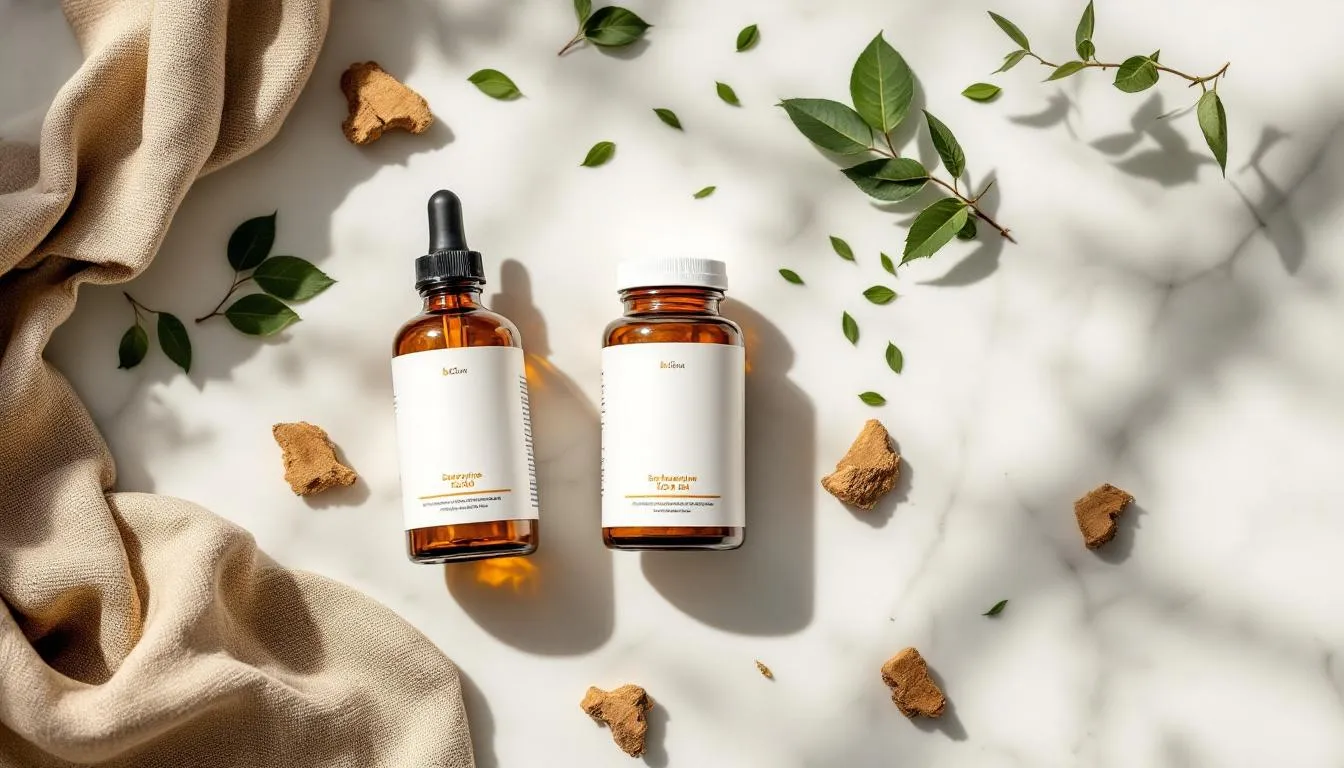
The product comes in 60 capsules per bottle, retails at around $22-25, and ships at a subscription discount of around 15% if you set up recurring orders.
The active ingredient is a standardized extract of Berberis aristata root, the Indian barberry plant, complexed with a three-component phytosome matrix. That matrix includes pea proteins, the Berberis aristata extract itself, and grape seed extract added as a natural antioxidant to protect berberine from oxidation in the GI tract. The extract is standardized to 28-34% berberine by HPLC, which is the gold-standard assay method for alkaloid quantification.
Enzymedica claims 9.6x better absorption than standard berberine. Indena's own pharmacokinetic study put the improvement at approximately 10x on a molar basis. The two numbers are measuring slightly different things but pointing at the same reality: this form of berberine behaves completely differently in the body than berberine HCl.
The product is gluten-free, dairy-free, soy-free, non-GMO, and egg-free. That matters for people sensitive to common allergens or running elimination protocols.

Why standard berberine has a bioavailability problem
If you've been taking standard berberine HCl and wondering why the results feel modest, this section explains it.
Berberine is a quaternary ammonium alkaloid. That's a structural feature with a practical consequence: it's water-soluble but poorly lipid-soluble, which makes crossing biological membranes difficult. The gut wall, like every cell membrane, is fundamentally a lipid bilayer. Compounds that can't dissolve in fat don't cross easily.
That's problem one. Problem two is P-glycoprotein, an efflux transporter embedded in intestinal cells that actively pumps berberine back out after it partially enters. Think of it as a bouncer that throws berberine out of the club before it gets into circulation. And problem three is first-pass hepatic metabolism: whatever survives absorption gets significantly broken down by the liver before reaching the rest of the body.
The net result is oral bioavailability estimates in the range of 1-5% for standard berberine HCl. Clinical trials still work at 1,500 mg per day divided across three doses, partly because some berberine acts locally at the gut wall and liver before full systemic absorption. But the systemic exposure is genuinely low.
This is why the standard dosing protocol for berberine HCl is three doses of 500 mg daily, timed around meals. Even with that aggressive schedule, you're working with limited systemic availability. The phytosome technology changes the math.
If you're curious how standard berberine compares against other metabolic compounds, our guide to berberine phytosome supplements covers the technology in detail. And if you want to see how it stacks up against inositol, the berberine vs inositol breakdown is worth reading.
How Berbevis phytosome technology works
Phytosome technology solves the absorption problem by surrounding berberine in a delivery vehicle that mimics the structure of biological membranes.
Indena's Berbevis is not a simple phosphatidylcholine complex. Earlier phytosome technologies wrapped botanical compounds in phospholipid shells, which worked reasonably well for some compounds. Berberine proved harder to formulate effectively because of its specific molecular properties.
Berbevis uses a three-component solid dispersion instead. The pea protein matrix provides a carrier structure. The standardized Berberis aristata extract contributes a broader spectrum of alkaloids beyond just berberine itself. And the grape seed extract stabilizes the complex against oxidative degradation in the acidic environment of the stomach, which can break down berberine before it even reaches the small intestine where absorption happens.
The end result is a formulation that dramatically changes how berberine moves through the gut wall. Instead of being recognized as a foreign alkaloid and pumped back out by efflux transporters, the phytosome complex is taken up more like a food component. Efflux pump recognition is reduced. Solubility in gut fluid is improved. And the time to peak plasma concentration is faster.
The key human pharmacokinetic study (Petrangolini et al., 2021, published in Evidence-Based Complementary and Alternative Medicine) used a 12-volunteer crossover design. Volunteers received either 500 mg standard berberine HCl (containing 452 mg elemental berberine) or 550 mg Berbevis (containing approximately 188 mg elemental berberine). The Berbevis dose, despite containing significantly less elemental berberine, achieved approximately 10 times higher area-under-the-curve, the gold-standard pharmacokinetic measure of total drug exposure.
Let that land for a second. The phytosome group got 10x more berberine into their blood with less than half the dose of actual berberine. That's not incremental improvement. That's a different category of product.
The longevity case for berberine
Berberine isn't just a blood sugar supplement. It's one of the most compelling compounds for longevity-focused people, and the reason is AMPK.
AMPK stands for AMP-activated protein kinase. It's sometimes called the "metabolic master switch." When cellular energy drops, AMP levels rise, and AMPK activates in response. Once activated, AMPK triggers a cascade of effects that are extraordinarily aligned with longevity goals: it inhibits mTOR (the growth-promoting pathway associated with accelerated aging), promotes autophagy (cellular cleanup of damaged components), improves insulin sensitivity, suppresses fat storage, and activates SIRT1 (the sirtuin associated with longevity in caloric restriction research).
Metformin, the most studied longevity drug in the world, works primarily through AMPK activation. So does berberine. In fact, a 2013 review in the journal Age described berberine alongside metformin as one of the greatest clinical AMPK activators available.
The difference is access. Metformin requires a prescription. Berberine doesn't. And a 2008 clinical trial published in the Journal of Clinical Endocrinology and Metabolism found that berberine at 1,000 mg per day matched metformin head-to-head on key metabolic markers in type 2 diabetic patients. Fasting glucose dropped from 7.0 to 5.6 mmol/L. HbA1c fell. Triglycerides came down 36%. All without the gastrointestinal side effects that make metformin famously difficult to tolerate.
There's also lifespan data in model organisms. C. elegans studies published in 2025 found berberine extended lifespan through multi-target antioxidant mechanisms. Drosophila (fruit fly) research from earlier found lifespan extension via inhibition of the tryptophan-kynurenine conversion pathway, which produces neurotoxic metabolites associated with aging. Neither translates directly to humans, but they point at the same AMPK and oxidative stress pathways that appear in human clinical research.
A 2022 paper in Open Heart described berberine, particularly when combined with ferulic acid, as working through SIRT1 and AMPK to act as a "cell cleansing promoter of healthy longevity." That framing aligns with what longevity researchers are increasingly interested in: compounds that enhance autophagy and mitochondrial function alongside metabolic benefits.
The biological age calculator is useful here. If you've been tracking metabolic markers like fasting glucose, HbA1c, and lipids as proxies for biological age, berberine is one of the compounds with the strongest evidence for moving those numbers.
Want a personalized protocol that incorporates berberine? The WinAging protocol builder designs one based on your goals, age, and current health picture.

Clinical evidence: what berberine actually does
Let's run through the main evidence categories. This isn't theoretical. Most of these come from randomized controlled trials.
Blood sugar control
A study of 84 type 2 diabetes patients found berberine at 1,500 mg per day drove HbA1c from 9.5% to 7.5% over three months. Insulin resistance dropped 44.7%. Fasting blood glucose fell meaningfully. The comparison arm used metformin with near-identical results, which is why the "natural metformin" framing keeps appearing in the literature.
In the 2008 Zhang et al. trial of 116 patients, berberine at 1,000 mg daily brought fasting glucose from 7.0 to 5.6 mmol/L and HbA1c from 7.5% to 6.6%. Those are clinically significant changes, not rounding errors.
The mechanisms: AMPK activation in liver and muscle cells improves insulin sensitivity. Berberine also enhances GLP-1 secretion from intestinal L-cells, which is the same mechanism targeted by the now-famous GLP-1 agonist drugs. It suppresses hepatic gluconeogenesis, meaning the liver produces less glucose on its own. And it acts directly on intestinal cells to modulate glucose absorption and the gut microbiome.
Cholesterol and lipids
A 2025 meta-analysis published in Frontiers in Pharmacology covering multiple randomized trials found berberine drove LDL-C down by an average of 0.495 mmol/L (about 19 mg/dL) and total cholesterol down 0.451 mmol/L. Triglycerides also fell significantly across most studies.
The mechanism is distinct from statins. Berberine upregulates LDL receptors on liver cells through a post-transcriptional pathway that doesn't rely on HMG-CoA reductase inhibition. This means berberine and statins work through complementary mechanisms, and combinations have been explored in research. Check the supplement interaction checker if you're on a statin, because berberine does inhibit some of the same cytochrome P450 enzymes involved in statin metabolism.
Indena has also published lipid-specific data on Berbevis itself. A cardiovascular-focused study divided participants into two groups: those with stable lipid concerns (n=47) and those with occasional issues (n=25). Both groups showed rebalanced total cholesterol, HDL, and triglycerides after the protocol period, along with improvements in endothelial function and reductions in homocysteine.
Weight and body composition
Berberine's weight management effects are real but modest as a standalone. The primary mechanism is AMPK activation, which increases fatty acid oxidation and suppresses lipogenesis. It also reduces appetite via GLP-1 enhancement and gut hormone modulation.
A 2021 study published in Nutrients used Berbevis specifically, not generic HCl, in 12 women with PCOS over 60 days. The results: significant reduction in visceral fat, total fat mass, and waist circumference. Testosterone levels improved. Inflammatory markers including CRP and TNF-alpha came down. That's a meaningful metabolic response in a population where berberine's effects are particularly well-suited.
For weight management, berberine and inositol is a combination worth knowing about, especially for women with insulin resistance or PCOS. The two compounds work through partially overlapping but complementary mechanisms.
Gut health
Here's an underrated benefit. Berberine acts directly in the gut, before significant systemic absorption, and that local activity matters. It modulates gut microbiota composition in ways that appear beneficial: increasing diversity, suppressing certain pathogenic bacteria, and reducing intestinal inflammation. A 2026 study in Theranostics described berberine's integrated modulation of host metabolism, microbial ecology, and innate immune signaling in the gut as mechanistically distinct from its systemic metabolic effects.
This is one area where having some local GI activity, rather than 100% systemic absorption, is actually advantageous. The phytosome form improves systemic delivery significantly while still delivering meaningful gut-level activity.
Enzymedica's formulation versus other phytosome products
There are several berberine phytosome products on the market. Here's how they actually differ.
Enzymedica Berberine Phytosome: Uses genuine Berbevis from Indena. $22-25 for 60 capsules. Around $0.37-0.74 per day depending on dose. The Berbevis ingredient has the strongest clinical backing of any berberine phytosome technology, specifically the human pharmacokinetic study, the PCOS trial, and the cardiovascular data. Enzymedica is a reliable brand with established quality manufacturing.
Generic berberine phytosome products: Many brands label their product "berberine phytosome" but use a basic phosphatidylcholine-berberine complex that may or may not have clinical data behind it. The term "phytosome" is not trademarked. Companies that genuinely use Berbevis will typically call it out explicitly, because the licensing is expensive and they want credit for it.
Standard berberine HCl supplements: Thorne's berberine, for example, uses standard HCl at 500 mg per capsule. It's a high-quality product in a lower-bioavailability form. At typical dosing of 1,500 mg per day across three capsules, you'd need 90 capsules per month versus 30-60 for the phytosome. Thorne's product costs more per capsule and requires more of them. The phytosome form wins on daily cost when you account for effective dose delivered.
Other Berbevis-licensed products: Several other supplement brands also license Berbevis from Indena. The ingredient quality is consistent because Indena controls manufacturing. The main variable is the brand's quality control on their end, which is why recognizable brands with established manufacturing standards matter here.
The guide to best berberine supplements runs through a broader comparison of berberine brands if you're still weighing options.
Dosage and timing: phytosome vs standard HCl
Standard berberine HCl protocol: 500 mg three times daily, taken with or immediately after meals to time the dose with blood glucose and lipid spikes from food. That's 1,500 mg per day of berberine HCl, which translates to maybe 75-150 mg of berberine actually making it into systemic circulation.
Berbevis phytosome protocol: 550 mg once or twice daily. Each 550 mg tablet contains approximately 188 mg of elemental berberine. Given the roughly 10x bioavailability improvement, one 550 mg Berbevis capsule achieves similar or greater systemic exposure than multiple 500 mg HCl capsules. The effective dose delivered is dramatically different.
This is practically significant. Taking a supplement three times a day is a compliance challenge. Twice daily, ideally with meals, is far easier to sustain consistently. Long-term metabolic results depend on consistency.
Timing-wise, taking berberine phytosome with meals remains sensible even with the improved absorption. The meal-timing provides two benefits: it reduces any GI irritation risk, and it positions berberine's blood sugar and lipid effects to coincide with the metabolic challenge of digesting food. If you're wondering about the specifics of timing, berberine before or after meal covers this in detail.
Can I take berberine before bed is another common question. The short answer: it's not the optimal timing for metabolic effects, but some people find it useful for its effects on glucose regulation overnight.
Side effects and who should be careful
The major appeal of berberine phytosome for GI-sensitive people is the dramatically reduced side effect profile.
Standard berberine HCl causes GI distress in a meaningful percentage of users. Cramping, diarrhea, constipation, bloating, and nausea are the most common complaints. The severity is dose-dependent. High single doses hit harder. Dividing doses across the day helps but doesn't eliminate issues for everyone.
The Petrangolini pharmacokinetic study of Berbevis reported no adverse effects at both standard and double dose in all 12 volunteers. The PCOS study found no changes in hepatic or renal function markers and confirmed a safe profile across the study period. This aligns with the theoretical prediction: if the compound isn't sitting in the gut lining and fermenting, it doesn't irritate it.
Drug interactions are the real concern with berberine. Berberine inhibits CYP3A4, CYP2D6, and CYP2C9, three major liver enzymes responsible for metabolizing a very large number of medications. If you're on drugs metabolized by these enzymes, including many statins, some antidepressants, blood thinners, antifungals, and antivirals, berberine can increase their plasma concentrations to potentially problematic levels. This is the interaction to check before starting. The supplement interaction checker flags the most common combinations worth watching.
Blood sugar medication interactions: Berberine meaningfully lowers blood glucose. Combined with insulin or oral diabetes medications, this can cause hypoglycemia. Anyone on prescription blood sugar management needs physician oversight before adding berberine.
Who should avoid berberine entirely: Pregnant women should avoid berberine. There are historical concerns from neonatal research, and there's insufficient safety data during pregnancy to justify the risk. Breastfeeding women should also avoid it.
Berberine and hair loss is another concern that comes up in the literature occasionally. The connection is not strongly established, but it's a question worth understanding if it's on your radar.
For people on the berberine with milk thistle combination, milk thistle doesn't create significant interactions with berberine, and the liver-protective properties of silymarin may actually be complementary given berberine's hepatic effects. Similarly, berberine and alpha lipoic acid is a combination that has some evidence behind it for synergistic metabolic effects.

Price and value: is Enzymedica actually competitive?
Let's do the actual math.
Standard berberine HCl for equivalent metabolic effect: approximately 1,500 mg per day across three doses. A bottle of high-quality berberine HCl at 500 mg runs about $20-30 for 60 capsules, giving you a 20-day supply at therapeutic dose. That's roughly $30-45 per month.
Enzymedica Berberine Phytosome at one capsule per day: $22-25 for a 60-day supply, which comes to about $11-12 per month. At two capsules per day, it's $22-25 per month.
Even at two capsules daily, you're paying the same or less than standard berberine while getting dramatically better bioavailability and a simpler protocol. The cost efficiency argument for phytosome is strong when you run the actual numbers.
With Enzymedica's subscription discount (around 15%), the price drops further. That makes it genuinely competitive versus any quality standard berberine product when you're thinking about effective dose delivered per dollar.
Who should take Enzymedica Berberine Phytosome?
Some people are clearer candidates than others.
Strong candidates:
Anyone who has tried standard berberine HCl and experienced significant GI side effects but wants berberine's metabolic benefits. The phytosome form's dramatically improved GI tolerance is a meaningful upgrade.
People who want the simplicity of once or twice daily dosing versus the compliance challenge of three doses spread across the day.
Those focused on AMPK-mediated longevity alongside metabolic health. Berberine's combination of AMPK activation, mTOR suppression, and autophagy promotion makes it relevant beyond just blood sugar management.
Women with PCOS or insulin resistance. The Berbevis-specific PCOS clinical trial showed meaningful improvements in visceral fat, androgens, and inflammatory markers.
Anyone who wants a metabolic compound with the strongest bioavailability evidence, not just the cheapest option.
Use with caution:
People on any prescription medications, especially statins, antidepressants, blood thinners, or diabetes drugs. The CYP450 enzyme interactions are real. Check the supplement interaction checker and talk to your pharmacist.
Anyone with naturally low blood pressure, as berberine can have mild blood pressure-lowering effects.
Avoid:
Pregnant or breastfeeding women. Not enough safety data, and the risk isn't worth it.
Anyone who hasn't checked for drug interactions and is on multiple medications.
If you're building a broader longevity stack and want to understand where berberine fits relative to other compounds, the supplement interaction checker is the starting point, and the WinAging protocol builder can design a full stack around your specific goals and current situation.
How to stack berberine phytosome
Berberine doesn't need to be taken alone. Several combinations have research support or logical mechanistic rationale.
Berberine and inositol: Particularly for women with PCOS or insulin resistance. Inositol (especially myo-inositol and D-chiro-inositol) improves ovarian function and insulin signaling through mechanisms that complement berberine's AMPK activation. Together they address insulin resistance from multiple angles. The berberine and inositol guide covers dosing.
Berberine and milk thistle: Milk thistle's silymarin component is hepatoprotective. Since berberine has significant hepatic effects, combining the two is sometimes suggested as a protective measure, particularly if you're using berberine long-term or at higher doses.
Berberine and alpha lipoic acid: Both activate AMPK. Alpha lipoic acid adds mitochondrial antioxidant effects and independent insulin sensitization. The combination has some mechanistic logic for people focused on both metabolic health and mitochondrial function.
Berberine timing with other supplements: Berberine can affect the absorption of some compounds when taken simultaneously. If you're running a comprehensive stack, stagger timing rather than taking everything at once. The supplement interaction checker handles the specifics.
What to consider cycling: Some practitioners recommend cycling berberine, typically 8 weeks on, 2-4 weeks off. The reasoning is partly about CYP450 enzyme normalization and partly about preventing tolerance to some of berberine's gut microbiome effects. The research on cycling is not definitive, but it's a sensible precaution for long-term use.
For the best timing question, most people do well with berberine phytosome taken once or twice with meals. Morning and evening dosing with breakfast and dinner is the most practical pattern. If you're using it primarily for blood sugar management around specific meals, time it 15-30 minutes before eating.
Frequently asked questions
Is Enzymedica Berberine Phytosome the same as regular berberine?
No. It uses Berbevis, Indena's patented phytosome technology, which in human clinical studies achieved approximately 10 times greater bioavailability than standard berberine HCl. The same dose delivers dramatically more berberine to systemic circulation. It's the same active compound, berberine, but in a form the body can actually use.
How many capsules should I take per day?
Indena's clinical studies used 550 mg once or twice daily. Enzymedica's product is built on this protocol. Starting with one capsule daily is reasonable. Two capsules daily is appropriate for those seeking stronger metabolic effects or addressing significant blood sugar or cholesterol concerns. Don't combine this with standard berberine HCl products.
Can you take berberine phytosome with food or on an empty stomach?
Taking it with meals is generally preferred. Meals reduce the already-low risk of GI irritation, and timing berberine with food positions its metabolic effects to coincide with the blood glucose and lipid challenge of digestion. The can you take berberine on an empty stomach guide has more detail.
How long before I see results from berberine?
Blood sugar effects often appear within 1-2 weeks. Cholesterol improvements typically take 6-12 weeks of consistent use. Body composition changes from AMPK activation are gradual and need at least 8-12 weeks to assess meaningfully. Test your biomarkers before starting and retest at 8-12 weeks for an accurate picture.
Does berberine phytosome have fewer GI side effects?
Yes, significantly. Standard berberine HCl causes cramping, diarrhea, and bloating in a meaningful percentage of users. The Berbevis phytosome clinical studies reported no adverse effects. The improved absorption means less berberine sitting in the gut causing irritation.
Can I take Enzymedica Berberine Phytosome with metformin?
Don't combine berberine with metformin without physician oversight. Both lower blood sugar through overlapping mechanisms. The additive effect can cause hypoglycemia. If you're already on metformin for type 2 diabetes management, talk to your doctor before adding berberine.
Is Enzymedica a reputable brand?
Enzymedica is a well-established supplement company primarily known for digestive enzyme products. Their manufacturing quality is generally considered reliable, and the use of Indena's Berbevis ingredient means the core active component is sourced from one of the most respected botanical pharmaceutical manufacturers in the world.
What does Enzymedica Berberine Phytosome cost?
Around $22-25 for 60 capsules retail, with a subscription discount of approximately 15%. At one capsule daily that's under $15 per month with the subscription. At two capsules daily, around $25-30 per month. That's competitive with or better than high-quality standard berberine products when you account for the bioavailability difference.
Related guides
- Berberine phytosome supplements: the complete guide
- Best berberine supplement: brand comparison
- Berberine vs inositol: which is better for you?
- Berberine and inositol together: dosing and benefits
- Supplement interaction checker
Sources
- Petrangolini G, et al. "Development of an Innovative Berberine Food-Grade Formulation with an Ameliorated Absorption." Evidence-Based Complementary and Alternative Medicine. 2021. PMID: 34904017.
- Rondanelli M, et al. "Berberine phospholipid exerts a positive effect on PCOS." Nutrients. 2021. PMID: 34684666.
- Zhang Y, et al. "Treatment of type 2 diabetes and dyslipidemia with berberine." J Clin Endocrinol Metab. 2008. PMID: 18397984.
Enzymedica Berberine Phytosome is a solid product built on genuinely good science. The Berbevis ingredient is the best-validated berberine phytosome technology available, the pricing is fair when you account for bioavailability, and the simplified dosing schedule makes it more likely you'll actually stick with it.
It's not for everyone. If you're on medications that interact with CYP450 enzymes, or you're managing blood sugar with prescription drugs, the interaction risk is real and needs proper oversight. But for a healthy person or someone in early metabolic risk territory looking for AMPK activation, blood sugar support, and lipid management in one compound, berberine phytosome is hard to argue against.
Start with the supplement interaction checker to clear your stack first. Then use the WinAging protocol builder if you want berberine built into a full personalized longevity stack.