Berberine before or after meals: the complete timing guide
Should you take berberine before or after meals? Learn the optimal timing for blood sugar, weight loss, and how to structure your daily dosing schedule.

Most people buy berberine, read the label, and feel vaguely confused. "Take with meals." Okay, but before or after? With breakfast, lunch, and dinner? Just dinner? On an empty stomach to boost absorption? Three times a day seems like a lot.
This confusion isn't trivial. Get the timing wrong and you're either dealing with unnecessary stomach cramps or blunting berberine's most important effect: keeping your blood sugar steady after meals. And that matters whether you're taking berberine for metabolic health, weight loss, cholesterol, or just general longevity.
So let's settle this properly. Before or after meals, how many times a day, and why it actually matters, explained from the mechanism up.

Why berberine timing matters more than people think
Berberine isn't like a vitamin you can throw in your mouth any time and forget about. Its effectiveness is closely tied to what your blood sugar is doing. And what your blood sugar is doing is closely tied to when you eat.
Here's the core mechanism. Berberine activates an enzyme called AMPK, which acts like your cells' master energy switch. When AMPK turns on, cells pull glucose out of your bloodstream more efficiently, your liver produces less glucose on its own, and insulin sensitivity improves. This is why berberine is often compared to metformin, a diabetes drug that works through overlapping pathways.
But there's a catch. Berberine has a relatively short half-life, somewhere between two and five hours depending on the individual. That means its active window is limited. Take a 500mg dose at 8am and by early afternoon it's mostly cleared your system. This is why the standard clinical dose isn't "1,500mg once daily," it's three separate 500mg doses spread across the day.
And those doses need to be timed around meals. Because the moment you start eating, your blood sugar starts rising. If berberine is already circulating when that happens, it can help blunt the spike. If it's not, you're missing the window.
This also explains why berberine on an empty stomach works differently than berberine with food. It's not just about absorption. It's about whether the compound is active at the right time to intercept the glucose response.
The short half-life problem
Most supplements last long enough that precise timing doesn't matter. Vitamin D, omega-3, creatine: the body stores and uses these over extended periods. Berberine doesn't work that way.
Because it clears the system in a few hours, spreading your daily dose across the day is genuinely important. A single 1,500mg dose taken at breakfast provides berberine coverage for that one meal and maybe your mid-morning snack. By lunch, levels are declining. By dinner, they've largely cleared.
That's why the three-dose protocol exists. It's not arbitrary. It maps the compound's activity window to the three main glucose challenges in your day: breakfast, lunch, and dinner. If you're only taking berberine once daily, you're working at a fraction of its potential.
Taking berberine before meals: the strongest case
The most commonly recommended timing is 15-30 minutes before eating. This approach has a clear rationale.
When you take berberine before a meal, it absorbs into your bloodstream and begins activating AMPK before the carbohydrates from your food start entering circulation. By the time you're halfway through lunch and glucose is starting to rise, berberine is already at work. The result: a blunted post-meal spike, steadier energy afterward, and less metabolic stress on your pancreas.
Clinical studies support this. Research published in the journal Metabolism showed that berberine taken before meals reduced post-meal glucose by 22.8% and lowered HbA1c by 11.8% over 12 weeks, in participants with type 2 diabetes taking 500mg three times daily. Fasting glucose dropped by around 20%. These are significant numbers for a supplement.
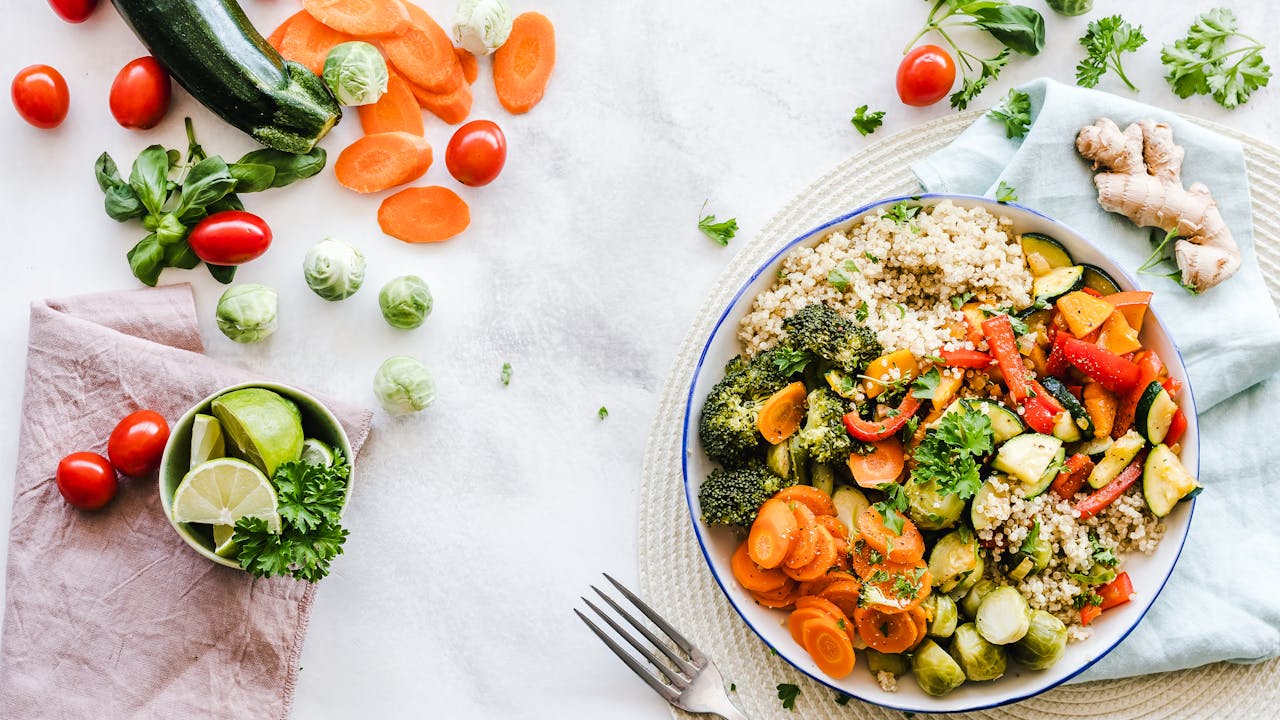
The timing window matters here. "Before" doesn't mean an hour before, when berberine has been absorbed but you haven't eaten yet (less useful). It means 15-30 minutes before. Close enough that the compound is in your system as your glucose starts moving, not so early that it's already starting to clear.
For blood sugar management specifically, this pre-meal window is the gold standard. If your primary reason for taking berberine is metabolic health or keeping post-meal glucose under control, try to hit the 15-30 minute mark consistently.
What about absorption?
Some people wonder whether taking berberine before meals (without food present) improves or reduces absorption. This is a legitimate question, and the answer is nuanced.
Berberine's bioavailability is actually quite low regardless of timing, roughly 5% in many studies. It doesn't absorb well from the gut. This is one reason berberine phytosome supplements exist: they bind berberine to phospholipids to dramatically improve how much actually gets into your cells.
For standard berberine HCl, the small absorption differences between fasted and fed states are probably less important than the timing relative to the glucose spike you're trying to blunt. Taking it with a small amount of healthy fat (a few nuts, a piece of avocado) may nudge absorption slightly upward, but the bigger lever is when you take it relative to the meal's carbohydrate load.
If you're using a berberine phytosome form, the absorption picture changes more significantly and meal context becomes less critical. Standard HCl forms benefit from the meal-timing approach above.
Taking berberine with meals: the practical choice
Here's the thing. Not everyone can swallow a capsule 20 minutes before they eat. Life doesn't always allow for a deliberate pre-meal window, especially at lunch when you're eating at your desk or grabbing food between meetings.
Taking berberine with your meal is the practical fallback, and it's still effective. Blood sugar begins rising within minutes of starting to eat, and it continues rising for 30-60 minutes after. Berberine taken at the start of a meal catches the rising phase of that curve. You're not intercepting it as early as you would be with the 15-30 minute pre-meal approach, but you're still active during most of the post-meal glucose window.
The bigger advantage of with-meal timing is tolerability. Berberine on a fully empty stomach can irritate the gut lining in some people. Gastrointestinal side effects (nausea, bloating, loose stools, cramping) affect anywhere from 10-35% of users in clinical trials. Most of these effects are dose-dependent and related to taking berberine without food to buffer it.
Taking berberine with a meal reduces these effects significantly. The food slows gastric emptying, dilutes the concentration of berberine in the stomach, and generally makes the whole thing easier to tolerate.
This is especially important when you're starting out. The standard advice is to begin with 500mg once daily with your largest meal, then gradually increase to 500mg twice daily, then three times daily over the course of 2-4 weeks. This ramp-up lets your gut adapt.
The fat absorption angle
If you're eating a meal with fat present, you may get a small absorption boost with berberine. Fat triggers bile release, and bile helps fat-soluble compounds absorb. Berberine isn't highly fat-soluble, but some fat at the meal doesn't hurt and might help slightly. This is another reason "with meals" works well in practice: most real meals contain some fat.
The best berberine supplements typically recommend taking with food, and for most people who are new to berberine, this is the safest, most sustainable starting point.
After meals: does it work?
What if you forget to take berberine before eating and your meal is already done? Should you take it then or skip it until next time?
Take it. Don't skip.
Post-meal berberine is less optimally timed but still useful. Blood sugar typically peaks 1-2 hours after eating and then comes back down. If berberine is active during that descent, it can still aid in glucose clearance and does support the underlying AMPK pathways regardless of glucose timing.
There's also a point worth making: the downstream benefits of berberine, including improved insulin sensitivity, better lipid profiles, and AMPK-driven cellular effects, accumulate over time. These aren't purely dependent on perfect pre-meal timing. Consistency matters more than precision here. Taking berberine at the right moment is ideal. Taking it regularly, even if the timing is imperfect, still works.
That said, if your goal is specifically post-meal blood sugar control, after the meal is the least effective window. Before or with the meal gives berberine a fighting chance against the glucose spike. After the meal, the spike has already happened.
Building your daily dosing schedule
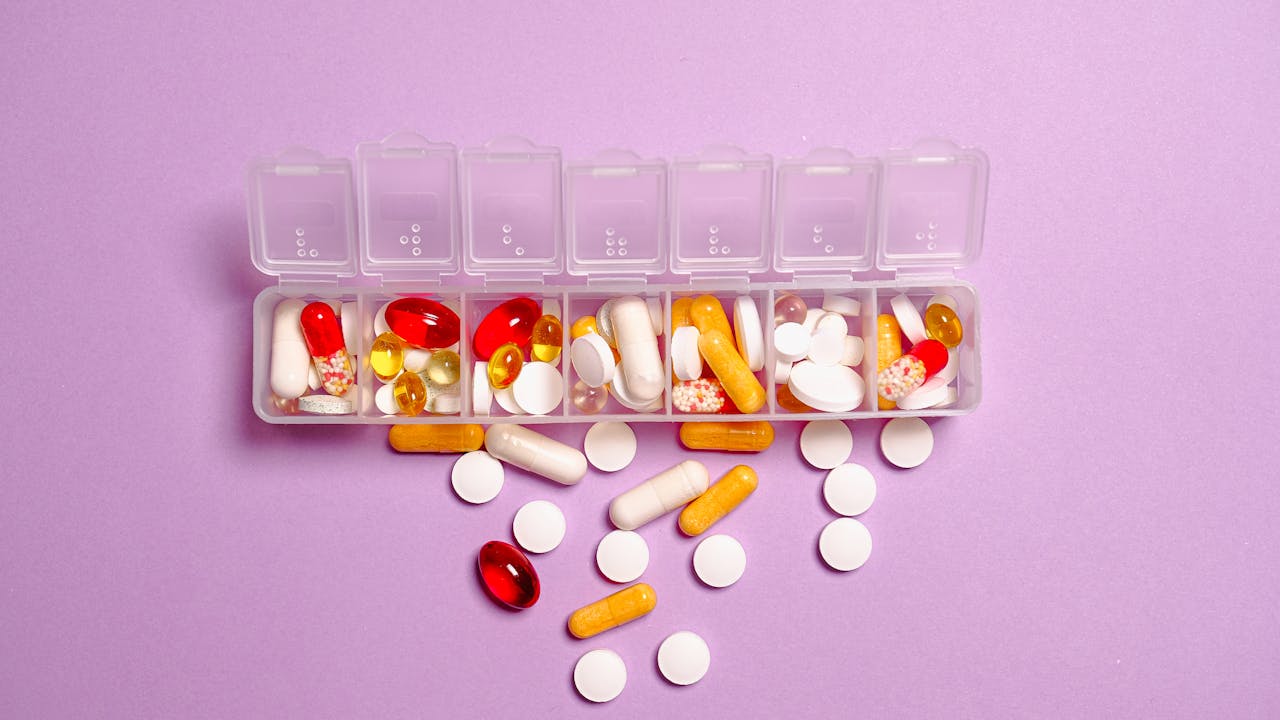
Here's what a practical berberine schedule looks like for someone targeting 1,000-1,500mg per day.
Starting dose (first 1-2 weeks): 500mg once daily, taken with your largest meal of the day. Usually dinner or lunch. Let your gut adjust before adding more doses.
Intermediate dose (weeks 2-4): 500mg twice daily. With breakfast and with dinner. Or with your two largest meals.
Full protocol (week 4 and beyond): 500mg three times daily, with breakfast, lunch, and dinner. Ideally 15-30 minutes before each meal if you can manage it. With the meal if the timing doesn't work out.
This gradual ramp is the same approach that berberine and inositol stacks often recommend, since the combination adds complexity and your gut needs time to adapt to berberine before you add other compounds.
One practical note: some people do well at 1,000mg per day (two doses) and don't need the full three. If your blood sugar is reasonably well-controlled and you're taking berberine for general metabolic support or longevity, two well-timed doses around your largest meals may be sufficient. The clinical evidence for weight loss and metabolic effects shows benefit across the 900-1,500mg range.
Cycling berberine
Berberine is often cycled rather than taken indefinitely. A common approach is 2 months on, 2-4 weeks off. The rationale is that prolonged berberine use may slightly downregulate some of its targets over time, and cycling maintains responsiveness.
Some people also use berberine cyclically: taking it during periods of looser eating (holidays, travel) and pausing during periods of stricter dietary control. This makes practical sense given berberine's main mechanism is blunting carbohydrate-driven glucose spikes.
Timing by goal
Not everyone takes berberine for the same reason. Here's how timing strategy adjusts by goal.
Blood sugar control
This is where pre-meal timing matters most. If you're managing blood sugar because you have prediabetes, insulin resistance, or are monitoring post-meal spikes with a continuous glucose monitor (CGM), the 15-30 minute pre-meal window is worth the effort. The 22.8% reduction in post-meal glucose in clinical trials was measured with this timing protocol.
Three doses daily, reliably timed before your three main meals, is the gold standard for blood sugar management. The supplement interaction checker can help you verify berberine won't conflict with anything else you're taking.
Weight loss
For weight loss, blood sugar management is still the primary lever because keeping insulin low limits fat storage. But berberine also affects lipid metabolism and may have direct effects on fat cells, so the full 1,500mg daily dose is worth targeting.
Timing is still important but slightly less rigid. Taking berberine with your largest, most carbohydrate-heavy meals provides the most metabolic leverage. If you're eating a primarily protein-and-fat meal, the timing benefit diminishes. The best berberine for weight loss research consistently uses the three-daily-dose with-meals approach.
Weight loss effects are modest but real: 1-3kg over 8-12 weeks at clinical doses. More than the number on the scale, berberine helps normalize the metabolic dysfunction that makes weight loss hard in the first place.
Cholesterol and lipids
Berberine's lipid-lowering effects work through a different mechanism (upregulating LDL receptors in the liver) and don't depend as heavily on timing around meals. For lipid management, the main goal is consistent daily exposure. Three doses throughout the day covers this well.
If cholesterol is your primary goal and blood sugar isn't a major concern, you have more flexibility. With-meal timing for tolerability makes sense. The three-dose protocol still applies for coverage.
General longevity and AMPK activation
If you're taking berberine as part of a broader longevity protocol and your metabolic markers are generally good, timing is more flexible. Some longevity-focused users take a single 500mg dose with a large meal and cycle it strategically. The AMPK activation benefits don't require perfect pre-meal timing to work.
WinAging's approach to longevity supplements emphasizes matching the dose and protocol to your actual goals. If you're not tracking blood sugar, you don't need the same precision as someone managing diabetes.
Does the specific meal matter? Morning vs. evening
People often ask whether it matters which meal they prioritize. If you're only taking berberine once or twice daily instead of three times, does breakfast matter more than dinner?
The honest answer is: it depends on your eating pattern and your blood sugar patterns.
For most people, the largest glucose challenge comes after dinner. Dinner tends to be the biggest meal, and it's followed by hours of sedentary time (sitting, sleeping) where your muscles aren't burning glucose. This makes post-dinner blood sugar more problematic than post-breakfast spikes, which are often followed by movement and activity.
So if you're taking berberine once daily, dinner timing is a reasonable choice. If you're taking it twice daily, breakfast and dinner make sense for most eating patterns.
That said, people who eat a large breakfast and lighter dinner should prioritize accordingly. Track how you feel, especially if you're using a CGM to monitor real-time glucose.
What about berberine before bed?
This is a separate and common question. Can you take berberine before bed? Yes, if you eat a large evening meal, taking berberine with that meal (which happens to be your last meal before bed) works well. What you're really asking is whether berberine after your last meal of the day continues working through the night.
Fasting glucose (morning blood sugar) is influenced partly by what the liver produces overnight (called hepatic glucose output). Berberine does reduce this by supporting liver AMPK activation. But since berberine's half-life is 2-5 hours, a dose taken at 7pm will largely have cleared by midnight. It's not providing meaningful coverage through the full night in most people.
The berberine and sleep relationship is worth understanding. Some people find berberine slightly stimulating at higher doses and prefer not to take it in the evening. Others have no issues. If you notice sleep disruption, shift your last dose to lunchtime and see if it helps.

Stacking berberine: timing considerations
Berberine doesn't work in isolation for most people who take it seriously. It's often part of a larger metabolic or longevity stack, which introduces timing complexity.
Berberine and inositol: Often taken together for insulin resistance and PCOS support. Berberine vs inositol covers the mechanisms, but they can complement each other. Inositol is typically taken 1-4g per day in divided doses. Both are generally taken with meals, so combining them at meal times is straightforward.
Berberine and milk thistle: Milk thistle is often taken with berberine because berberine can slightly stress the liver at higher doses. Berberine with milk thistle combinations are increasingly popular. Timing is flexible for milk thistle (it doesn't need to be meal-timed), so taking both with a meal works fine.
Berberine and alpha-lipoic acid: Both have blood sugar effects through overlapping pathways. Berberine and alpha-lipoic acid can be taken together with meals. The combination targets glucose metabolism from multiple angles.
Berberine synergy: Berberine synergy supplements often combine berberine with cinnamon, chromium, or other blood-sugar-supporting compounds. These combination products are typically taken with meals as a single dose.
One important note: berberine interacts with several medications, particularly blood sugar lowering drugs, blood thinners, and some antibiotics. If you're on any medications, run your stack through the supplement interaction checker before combining berberine with anything.
Common timing mistakes
Taking it once daily at a random time. Berberine's short half-life means a single daily dose provides blood sugar coverage for one meal. The rest of the day, you're on your own. Even if you can only manage two doses, tie them to your two biggest meals.
Taking the full dose immediately when starting. Starting at 1,500mg per day without working up is the most common reason people quit berberine. The GI side effects at high doses on an unseasoned gut can be severe. Start at 500mg once daily for one to two weeks, then build.
Taking it on a completely empty stomach. While some people do this intentionally for faster absorption, it substantially increases the chance of nausea and stomach upset. Unless you're using a high-bioavailability form like berberine phytosome and specifically want fasted absorption, take it with food or right before a meal.
Inconsistent timing. Taking berberine some days before meals and some days hours after meals creates inconsistent blood sugar coverage. Consistency is more important than perfection, but be deliberate about attaching berberine to a meal habit so it becomes automatic.
Skipping doses because of a light meal. Some people skip their berberine dose when they eat a small or low-carb meal. This is reasonable if you're only targeting post-meal glucose spikes. But if you're relying on berberine's full metabolic effects (lipid management, AMPK activation), consistent dosing regardless of meal size matters more.
Forgetting about what else you're taking. Berberine interacts with CYP enzymes in the liver and can affect the metabolism of various drugs. This isn't purely a timing issue but it's worth understanding your full stack. The supplement interaction checker is a free resource for this.
Choosing the right berberine supplement
Timing strategy also depends on which form of berberine you're using.
Berberine HCl: The standard form. Widely available, well-researched, relatively affordable. Bioavailability is low but the clinical evidence is solid. Standard timing protocol applies: 500mg three times daily with meals. The best brand of berberine comparisons typically focus on this form.
Berberine phytosome: Bound to phospholipids for significantly higher bioavailability. If you're using a phytosome form, you may be able to achieve similar effects at lower doses (often 200-500mg rather than 500mg per dose). Timing flexibility is greater because absorption is more efficient regardless of meal context.
Berberine dihydrochloride: Similar to HCl but with slightly different solubility. Clinical evidence is similar. Same timing protocol applies.
For most people starting out, berberine HCl from a reputable brand at 500mg three times daily with meals is the place to start. Upgrade to a phytosome form if you're having tolerability issues or want better bioavailability.
If you're not sure which form fits your goals, WinAging's AI protocol builder can suggest the right berberine form and dose based on your specific situation, including your other supplements, health goals, and experience level.

Tracking your results
The cleanest way to know if your berberine timing is working is to track post-meal blood sugar. A continuous glucose monitor (CGM) like the Freestyle Libre or Dexterity shows exactly what happens to your glucose after each meal. You can literally see the difference between taking berberine 20 minutes before eating vs. taking it with the meal vs. skipping it.
If a CGM isn't practical, fasting glucose (first thing in the morning, before eating) is the simplest proxy. Significant reductions in fasting glucose over 8-12 weeks suggest berberine is working systemically.
HbA1c (hemoglobin A1c) tells you about average blood sugar over three months. It's the most meaningful long-term marker for metabolic health and the one clinical trials use to measure berberine's effectiveness. You can test it at a lab or with an at-home kit.
The biological age calculator on WinAging incorporates metabolic markers into a broader longevity picture. Improving your metabolic markers with berberine moves the needle on biological age, not just glucose numbers.
Frequently asked questions
Should I take berberine before or after meals?
Before meals is the most effective timing for blood sugar control. Take it 15-30 minutes before eating. If that's not practical, taking it with the meal at the start of eating still covers most of the post-meal glucose window. After the meal is less effective for blood sugar but better than skipping.
What happens if I take berberine on an empty stomach?
Berberine on an empty stomach can cause nausea, stomach cramping, or loose stools in some people, especially at higher doses or when starting out. If your goal is blood sugar management, there's little benefit to taking it long before a meal since the carbohydrate challenge that berberine is countering hasn't arrived yet.
How many times a day should I take berberine?
Three times daily (500mg with breakfast, lunch, and dinner) is the standard clinical protocol, giving a total of 1,500mg. This matches berberine's half-life of 2-5 hours and provides coverage across your three main meals. Some people do well at twice daily (1,000mg total) depending on their goals and diet.
Can I take berberine with coffee in the morning?
Yes. Coffee doesn't significantly interfere with berberine. If you eat breakfast and take berberine before or with your morning meal, having coffee alongside is fine. Some evidence suggests coffee has mild blood-sugar-modulating effects of its own, but there's no known interaction with berberine.
How long until berberine starts working?
Blood sugar effects can be noticeable within days to a couple of weeks. Weight and lipid changes take longer, typically 8-12 weeks. HbA1c changes take 2-3 months. Consistency over months matters more than any single dose or timing choice.
Is it better to take berberine with fat?
Possibly. Some fat at the meal may slightly improve berberine's absorption by triggering bile release, which can help with lipid-soluble compounds. This is a minor effect. It's not a reason to take berberine with a high-fat meal specifically, just a reassurance that eating normally (most meals have some fat) is fine.
Can berberine replace metformin?
No, berberine can't replace a prescription medication without your doctor's involvement. Some research shows comparable effects to metformin in certain populations, but berberine is a supplement, not a medical treatment. If you're managing diabetes or taking medications for blood sugar, talk to your doctor before adding berberine. The supplement interaction checker can flag potential drug interactions.
What's the best berberine supplement brand?
Timing matters, but so does the supplement you're using. Best berberine supplement comparisons break down the top options by form, dose, purity, and bioavailability. Pure Encapsulations berberine and Luma Nutrition berberine are consistently recommended options.
Related guides
- Can you take berberine on an empty stomach?
- Can I take berberine before bed?
- Best berberine supplement: complete guide
- Berberine with milk thistle: the combination guide
- Supplement interaction checker
Sources
- Efficacy of Berberine in Patients with Type 2 Diabetes, PMC
- Berberine benefits, dosage, and side effects, Examine.com
Getting berberine timing right doesn't need to be complicated. Aim for 15-30 minutes before your three main meals, work up gradually from a single daily dose, and don't skip doses just because a meal is small. Consistency across the day matters more than perfect pre-meal precision.
If you want to build berberine into a proper longevity protocol based on your specific goals, the WinAging protocol builder does the thinking for you. It pulls together 30+ data points to create a personalized supplement stack, including how to time everything for maximum effect.