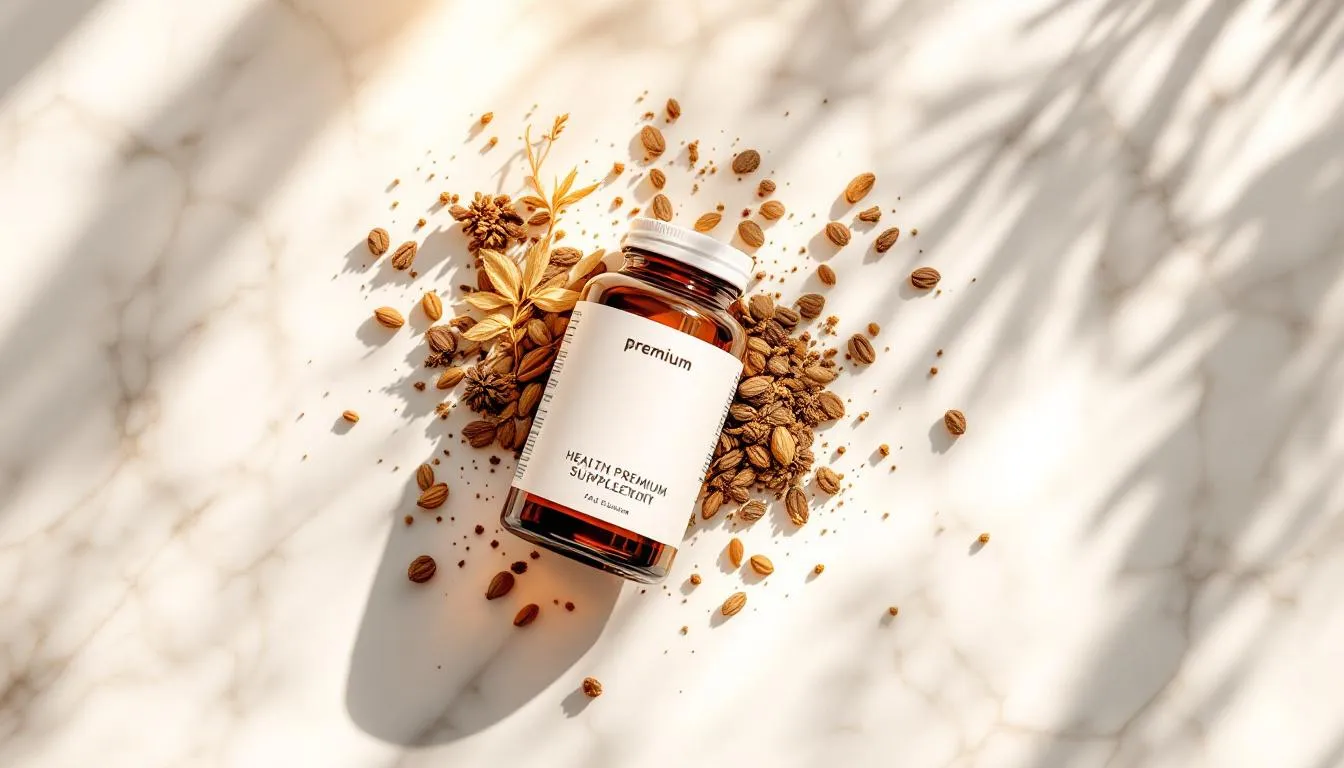
Just Ingredients berberine: honest review of the formula
Just Ingredients berberine uses Berbevis® phytosome, Chromax® chromium, and Ceylon cinnamon. Here's what the formula actually contains and whether it's worth $39.99.
Berberine is everywhere right now. TikTok discovered it, wellness influencers are talking about it, and suddenly every supplement brand has their version on the market. Among the brands that keep coming up in searches and community recommendations, Just Ingredients is one people ask about a lot.
That's for good reason. Just Ingredients built a reputation in the wellness space as a clean, transparent brand. Their berberine supplement isn't your standard berberine HCl formula. It uses a patented phytosomal delivery system combined with two synergistic co-ingredients, and it sits at the premium end of the market.
This review covers everything you need before buying: the specific ingredients, why phytosome technology actually matters, what the research shows about berberine's benefits, how the formula stacks up on price, and whether this particular product is worth choosing over alternatives. WinAging digs into the longevity research so you don't have to spend hours on PubMed. Let's get into it.
What is Just Ingredients?
Just Ingredients is a Utah-based supplement brand that built its following by focusing on clean formulations and transparent ingredient sourcing. They're not a massive commercial operation, and that's kind of the point. The brand positions itself around the idea that supplements should contain only what they claim and nothing you don't need.
They're popular in wellness communities, particularly among people who prioritize ingredient quality and are willing to pay more to get it. Protein powders, electrolytes, and greens are what brought them into the spotlight, but their supplement line has expanded significantly in recent years.
Their berberine product is one of their more sophisticated offerings. Unlike some simpler single-ingredient supplements in their lineup, the berberine complex is a multi-ingredient formula built around enhanced delivery and metabolic synergy. That's either exactly what you're looking for or more complexity than you need, depending on where you are with your health goals.
For context on where Just Ingredients sits among the wider landscape, the best berberine supplement guide covers eight brands side by side with ingredient analysis, pricing, and quality scores. Worth bookmarking if you're still deciding where to shop.
The formula breakdown
This is where things get interesting. Most berberine supplements are simple: berberine HCl, a capsule shell, maybe a flow agent. Just Ingredients went a different route. Their formula has three active ingredients, each with a specific role in the blood sugar and metabolic support story.
Berbevis® (berberine Indena Phytosome®)
The berberine here isn't standard berberine HCl. It's Berbevis®, a patented extract made by Indena, one of the most respected botanical ingredient suppliers in the world. The extract comes from Berberis aristata root and is standardized to 28% berberine by weight.
What makes it different is the delivery system. Berbevis® uses Indena's Phytosome® technology, which bonds the berberine molecule to phospholipids, specifically lecithin-derived lipids. This creates a complex that behaves more like a fat-soluble molecule, allowing it to cross intestinal cell membranes more easily than the raw compound.
Why does that matter? Standard berberine HCl has notoriously poor oral bioavailability. The molecule is poorly soluble in lipids, which dominate the environment in the intestinal wall. A significant fraction of what you swallow never makes it into your bloodstream in active form. It gets degraded in the gut, metabolized by bacteria, or simply passes through without absorption.
Berbevis® changes that calculation. A human pharmacokinetic study published in PMC found that berberine phytosome achieved approximately 10x better bioavailability compared to unformulated berberine on a molar basis. Plasma concentrations were significantly higher starting from 30 minutes post-ingestion. That's not a marginal improvement. That's a fundamentally different absorption profile.
The practical implication: you can take a lower milligram dose and still reach equivalent (or higher) plasma berberine concentrations compared to standard HCl at 1,000-1,500mg daily. Less GI burden, better blood levels, fewer digestive side effects. For people who've tried regular berberine and struggled with stomach issues, this formulation approach is worth paying attention to.
For more on how berberine phytosome differs from HCl across multiple brands and what it means for real-world results, berberine complex formulas goes deep on the comparison.
Chromax® (chromium picolinate)
The second active ingredient is Chromax®, a branded chromium picolinate from Nutrition 21. Chromium is an essential trace mineral that plays a supporting role in insulin signaling. Specifically, it's involved in the function of insulin receptor substrate proteins and the downstream glucose transporter pathways.
Chromax® is the most studied form of chromium picolinate on the market, with over 50 human clinical trials on record. The picolinate form has better absorption than chromium chloride or other common forms. The "Chromax" branding signals a standardized, clinically researched ingredient, not a generic raw material.
The research on chromium for blood sugar is meaningful but not dramatic. It works best as a complementary ingredient rather than a primary driver. When combined with berberine, which directly activates AMPK and enhances insulin sensitivity through multiple pathways, chromium adds a synergistic layer that supports the same glucose metabolism targets. Think of it as an amplifier rather than the main signal.
Organic Ceylon cinnamon
The third ingredient is Organic Ceylon cinnamon (Cinnamomum verum) bark. Ceylon is the "true" cinnamon, as opposed to the more common Cassia variety. This distinction matters. Cassia cinnamon contains significant levels of coumarin, a natural compound that can cause liver toxicity at higher doses with chronic use. Ceylon has virtually no coumarin, making it the safer option for daily supplementation.
Research on cinnamon for metabolic support shows modest but real effects. It appears to slow gastric emptying, reduce postprandial glucose spikes, and support insulin receptor sensitivity. The mechanisms overlap with berberine in some ways, particularly around glucose uptake into cells. The combination isn't just marketing. There's genuine logic to it.
The inactive ingredients round out the clean picture: hypromellose (vegetable capsule), organic bamboo extract, coconut MCT oil, and acacia fiber. Nothing synthetic, nothing concerning.
How berberine actually works
Before diving into specific research findings, it helps to understand the mechanism. Berberine activates AMPK, adenosine monophosphate-activated protein kinase. AMPK is a master metabolic switch that cells use to respond to low energy states. When it's activated, cells shift into an energy-conserving, efficiency-maximizing mode.
What that looks like in practice: glucose uptake into muscle cells increases via GLUT4 upregulation. Fatty acid oxidation in mitochondria accelerates. Cholesterol synthesis in the liver slows. Insulin sensitivity improves across multiple tissue types. New glucose production in the liver (gluconeogenesis) is suppressed.
This is the same pathway that exercise activates. It's also one of the pathways targeted by metformin, the most prescribed diabetes drug in the world. The difference is that berberine is a natural alkaloid derived from a plant, and its effects on AMPK appear to come through a slightly different mechanism than metformin's.
For longevity-focused readers, AMPK activation isn't just about blood sugar. It's one of the core pathways implicated in the biology of aging itself. When you look at what happens when AMPK is chronically underactivated, the picture is metabolic syndrome, accelerated cellular aging, and increased senescence. Keeping AMPK active through lifestyle and targeted supplementation is one of the better-supported anti-aging strategies we have.
What the research shows
The science behind berberine is unusually robust for a natural compound. This isn't a supplement running on case reports and traditional medicine anecdotes. It's backed by dozens of randomized controlled trials and multiple systematic meta-analyses.
Blood glucose and HbA1c
Multiple meta-analyses confirm berberine's ability to reduce fasting blood glucose and HbA1c in people with elevated levels. A landmark study published in PMC found that berberine at 500mg three times daily reduced fasting plasma insulin by 28.1% and HOMA-IR (a direct measure of insulin resistance) by 44.7% over 12 weeks. HbA1c dropped by 2% in the berberine group.
Those are significant numbers. Significant enough that berberine has been directly compared to metformin in several trials, with comparable glycemic control at equivalent doses. That comparison caught a lot of attention and is part of why mainstream interest in berberine exploded.
A 2025 systematic review and meta-analysis published in Frontiers in Pharmacology confirmed berberine's efficacy across the components of metabolic syndrome, including significant reductions in fasting blood glucose, postprandial glucose, triglycerides, LDL cholesterol, and blood pressure.
Lipids and cardiovascular markers
Berberine acts on LDL cholesterol through a PCSK9-inhibiting mechanism. It upregulates LDL receptors on liver cells, which increases LDL clearance from circulation. Combined with its effects on triglycerides (typically 20-35% reduction in trials) and improvements in the LDL particle profile, the cardiovascular picture is meaningful.
For people looking at a complete metabolic picture, this is relevant. The best berberine for weight loss guide covers the weight-related effects in depth, including what the clinical data actually shows about body composition changes over time.
Weight and body composition
A 12-week trial using 500mg three times daily reported approximately 5 pounds of weight loss and a significant reduction in waist circumference. A larger trial in metabolic syndrome patients saw BMI drop from 31.5 to 27.4 over 3 months. These results come from metabolically compromised populations, so they won't necessarily translate 1:1 to someone who's already lean. But for anyone dealing with insulin resistance or blood sugar elevation, the weight effects are a real secondary benefit.
Berberine's effects on weight come through multiple channels. Better insulin sensitivity means less fat storage from glucose spikes. AMPK activation directly increases fatty acid oxidation. And there's growing evidence it acts on the gut microbiome, shifting bacterial populations toward species associated with metabolic health. The microbiome connection is actively being researched and is one of the more interesting emerging areas.
Longevity pathways
This is where berberine gets genuinely interesting for the longevity audience. Research published in Aging & Disease found that berberine-containing compounds extended lifespan in mice by nearly 17% in naturally aging populations, with improvements in fur density and behavioral markers. Separate research in C. elegans showed berberine extends healthspan through activation of PMK-1/SKN-1 pathways involved in cellular stress resistance.
At the cellular level, berberine suppresses gero-conversion, the process by which cells in cycle arrest transition into full senescence. Senescent cells accumulate with age and drive chronic inflammation, tissue dysfunction, and disease. Slowing that transition is one of the current frontier targets in aging biology.
Research published in PMC shows berberine activates the AMPK/SIRT1/PGC-1α pathway in skeletal muscle, which supports both muscular function and cognitive markers in aging models. That pathway connects berberine to the broader sirtuin-based longevity network.
None of this makes berberine a magic pill. But it does explain why it fits naturally into a serious longevity protocol alongside compounds like glycine for anti-aging, and why it's in many biohackers' long-term stacks. If you want to see where your metabolic markers actually stand, the biological age calculator uses inputs like fasting glucose and lipids to give you a baseline. Those are exactly the markers berberine moves.
How long does it take to work?
Berberine isn't an overnight fix. But it's faster than many supplements.
Most people who respond to berberine notice changes in energy stability and appetite within 1-2 weeks. These are the early signals. Less energy crashing after meals. Reduced cravings between meals. Better sleep in some cases.
Blood sugar markers take longer to move meaningfully. Most clinical trials run 8-12 weeks before measuring outcomes. HbA1c reflects a 90-day average, so changes there won't show up quickly on labs regardless of how well the supplement is working. Fasting glucose and post-meal glucose are faster-moving indicators if you want early feedback.
Lipid changes typically show up around the 8-12 week mark as well. Weight changes, if they occur, are gradual and depend heavily on diet and activity level.
The bottom line: commit to at least 8 weeks before deciding whether berberine is working for you. Less than that isn't enough time to see the markers that matter.
How Just Ingredients berberine compares to the alternatives
Here's where price and value get honest.
Just Ingredients berberine is $39.99 for 30 servings. At one capsule per day that's a 30-day supply. At two capsules per day (the fuller dose), it's 15 days. That works out to $1.33 per day at the minimum dose or $2.67 per day at the full dose.
Compare that to the most popular standard berberine: Luma Nutrition berberine at approximately $30 for 30 servings of 1,200mg berberine HCl. That's $1 per day for significantly more milligrams.
But the milligram-to-milligram comparison misses the point. You're comparing effective plasma concentration to effective plasma concentration. If Berbevis® genuinely delivers 5-10x better bioavailability, then even a 200-400mg dose of Berbevis® may match or exceed what you get from 1,200mg of standard berberine HCl. The per-milligram math inverts when absorption is the variable.
That said, the human pharmacokinetic data on Berbevis® specifically is still more limited than the extensive literature on berberine HCl. The 10x bioavailability claim comes from a study supporting the Indena formulation. It's credible and well-sourced, but it's worth knowing that the broad berberine research base was built on the HCl form at 1,000-1,500mg daily.
Pure Encapsulations berberine is the other premium comparison worth making. Pure Encapsulations uses standard berberine HCl at 500mg per capsule with a reputation for exceptional manufacturing standards. For people who want clean HCl with a trusted brand at a more controlled dosing structure, that's the relevant alternative.
If you want a full side-by-side across the major brands including phytosome versus HCl options, the best brand of berberine guide does the head-to-head with quality, dosing, and cost per dose included.
Dosage guide
Just Ingredients recommends taking 1-2 capsules per day, 15-30 minutes before meals, split across two different meal times if taking two.
At one capsule per day, you get a single Berbevis® dose along with chromium and cinnamon. This is the conservative starting approach, especially if you haven't taken berberine before or have a digestive system that tends to react to new supplements.
At two capsules per day, you're running the full protocol. This is what the product is designed for.
Should you take it before bed? The evidence on timing points toward taking berberine before carb-containing meals to produce the best glucose control results. Most people don't eat significant carbohydrates right before bed, which reduces the benefit of a dedicated nighttime dose. Taking berberine before bed discusses the timing question in depth if that matters for your schedule.
Cycling. Some practitioners recommend cycling berberine, typically 8 weeks on and 4 weeks off, based on concern about gut microbiome disruption with continuous use. The evidence for this specific protocol is limited. Other clinicians run berberine continuously in their patients without issues. Both approaches have practitioners behind them. If you're taking it for a clearly defined period (blood sugar optimization before labs, for example) cycling is a natural fit. For ongoing metabolic management, continuous use is common.
Starting dose. If you're new to berberine, starting at one capsule per day for the first week before moving to two is a reasonable approach. This lets your gut adapt to the compound and helps you gauge your tolerance before doubling up.
Stacking Just Ingredients berberine with other compounds
Berberine is a versatile compound that works well alongside several others in the longevity and metabolic space. But it has real pharmacological activity, which means interactions are worth understanding before you layer in other compounds or medications.
Inositol. Myo-inositol has similar insulin-sensitizing properties to berberine, and the combination has been specifically studied in PCOS and blood sugar dysregulation. The two compounds target overlapping but not identical pathways. Berberine and inositol together covers the research behind this pairing and how to combine them effectively.
Milk thistle. The combination of berberine with milk thistle (silymarin) has liver-protective benefits, which matters particularly for long-term use. Silymarin also appears to enhance berberine absorption in some models. Berberine with milk thistle explains the rationale behind this common stack.
Resveratrol and NMN. Berberine and resveratrol target complementary longevity pathways. Berberine works primarily through AMPK. Resveratrol works primarily through sirtuin activation. They can be used together without interaction concerns. If you're trying to choose between NMN and resveratrol for your longevity stack, resveratrol or NMN breaks that decision down clearly so you're not buying both unnecessarily.
TMG. If you're taking compounds that affect methylation, trimethylglycine (TMG) is sometimes added to maintain methyl balance. TMG supplementation covers how this fits into broader protocols.
What to watch for. Berberine inhibits CYP3A4 and P-glycoprotein metabolic pathways, which means it affects how your body processes drugs that use those pathways. This includes certain statins, blood thinners, immunosuppressants, and some diabetes medications. If you're on any prescription drugs, check interactions before you start. The supplement interaction checker is a fast way to flag any combinations worth discussing with your doctor.
For building a broader berberine-centered metabolic stack, berberine synergy formulas goes into the combination approaches that practitioners actually use in clinical settings.
Side effects and who should avoid it
Berberine's side effect profile is mild for most people, with GI symptoms being the main concern. Nausea, bloating, loose stools, or constipation can occur, especially early in supplementation or at higher doses.
The Berbevis® phytosome form in Just Ingredients is specifically designed to reduce GI side effects compared to standard berberine HCl. The phytosomal carrier changes how the compound is absorbed, reducing the direct GI exposure that causes discomfort with the HCl form. Many people who've struggled with standard berberine's GI effects find phytosome forms more tolerable. That's not a guarantee for everyone, but it's a documented formulation advantage.
People who should not take berberine:
Pregnant or breastfeeding women should avoid berberine entirely. The compound crosses the placenta and transfers through breast milk. Berberine has been associated with potential harm in fetal development, and the risk profile isn't well enough characterized to recommend use during pregnancy or nursing.
People with diabetes who take blood glucose-lowering medications need to be careful. Berberine meaningfully lowers blood sugar. Combined with metformin, sulfonylureas, or insulin, the additive effect can cause hypoglycemia. Monitor blood sugar closely and work with a doctor if you're managing diabetes with medication.
People with liver or kidney disease. Berberine is metabolized hepatically and excreted renally. Compromised organ function changes how it accumulates and clears. Medical supervision is warranted before starting.
People on certain medications. CYP3A4-processed drugs, which include many common prescriptions, can reach higher-than-expected blood levels when combined with berberine. Check interactions before you start. The supplement interaction checker is a useful starting point, and then verify with your prescriber for anything that matters clinically.
Who should buy Just Ingredients berberine
This product makes the most sense for a specific type of buyer.
You've tried standard berberine HCl and dealt with GI discomfort. The phytosome technology is designed for better tolerance, and the Berbevis® Indena formulation is backed by real pharmacokinetic data, not just marketing claims.
You want a synergistic formula rather than a straight single-ingredient product. The chromium and Ceylon cinnamon additions aren't filler. They have metabolic logic and real (if modest) clinical backing. If you wanted to buy those separately to stack with standard berberine, you'd spend more money and deal with more pills.
You're already familiar with the Just Ingredients brand from other products and trust their sourcing standards.
You're willing to pay a premium for branded, patented ingredients with documented bioavailability advantages over generic alternatives.
Who should probably look elsewhere:
If you're new to berberine and price-sensitive, Luma Nutrition berberine is an excellent starting point at lower cost. Solid dose of berberine HCl with good manufacturing credentials. If it works for you without GI issues, there's no reason to pay more.
If you want the highest studied dose matching the most frequently cited study protocols (500mg three times daily), brands using standard HCl give you more direct alignment with the research doses.
If you prefer to customize your own stack, buying berberine, chromium, and cinnamon separately gives you more individual dose control.
The best brand of berberine breakdown and best berberine supplement guide are both worth reading before committing to any brand. They cover a wider range of products with detailed comparisons across quality, dose, and value. And WinAging's free longevity tools can help you map where berberine fits into your overall protocol.
Frequently asked questions
Is Just Ingredients berberine third-party tested?
Just Ingredients has pursued NSF Certified for Sport certification on some products in their lineup. Their berberine complex uses branded, patented ingredients from established suppliers (Indena, Nutrition 21), which have their own quality controls built into the supply chain. If independent third-party testing on the final product is a hard requirement for you, verify directly with the brand before purchasing.
How much does Just Ingredients berberine cost?
The retail price is $39.99 for a 30-serving container. Subscribing at any interval (30, 60, or 90 days) brings that down by 10%, to approximately $35.99. That's one of the higher price points in the berberine category, reflecting the phytosome technology and use of branded co-ingredients.
Can I take it on an empty stomach?
The standard recommendation is 15-30 minutes before meals. Taking berberine with or before food helps buffer the GI impact and times absorption to coincide with incoming glucose from the meal. On an empty stomach, some people experience more discomfort. Start with the before-meal timing and see how your body responds.
Can I take Just Ingredients berberine before bed?
If you eat a meal in the evening, taking a capsule before that meal makes sense. If you're asking about a dedicated nighttime dose without food, the benefit is less clear and GI tolerance may be lower without food as a buffer. Whether berberine before bed makes sense covers the timing question with more clinical context.
How does Berbevis® compare to berberine HCl?
Berbevis® is a phytosomal form designed for significantly higher bioavailability than standard berberine HCl. Research suggests 5-10x better absorption on a molar basis. That means a lower milligram dose can produce comparable or superior plasma concentrations. The trade-off is that the extensive clinical literature on berberine was built on the HCl form at 1,000-1,500mg daily. The phytosome form has a growing but still smaller dedicated evidence base.
Can I combine it with inositol?
Yes, and the combination has clinical support. Berberine and myo-inositol target complementary pathways in glucose metabolism and insulin sensitivity, with the combination specifically studied in PCOS and metabolic dysregulation. Berberine and inositol together covers what the research shows and how to combine them.
What if I'm on diabetes medication?
Talk to your doctor first. Berberine meaningfully lowers blood sugar, and combined with diabetes medications, the additive effect can cause hypoglycemia. This is a real clinical interaction, not theoretical. Run your stack through the supplement interaction checker and bring your full medication list to your next appointment.
How long before I notice results?
Energy stability and appetite changes can show up within 1-2 weeks for people who respond well. Meaningful changes in fasting glucose typically take 4-8 weeks of consistent use. HbA1c, which reflects a 90-day average, won't move on labs until you've been consistent for at least that long. Commit to at least 8 weeks before evaluating.
Not sure where to start? WinAging's AI protocol builder creates a personalized longevity plan based on your goals, age, and experience level.
Related guides
- Best berberine supplement guide
- Luma Nutrition berberine: honest review
- Berberine and inositol: what the research shows
- Berberine synergy formulas explained
- Supplement interaction checker
Your metabolic health isn't a single lever. Berberine is one of the more powerful tools in the stack, but it works best as part of a broader protocol that includes diet, sleep, and exercise. If Just Ingredients' phytosome formula helps you tolerate it better and stay consistent, that's a real advantage. Check your current supplement combinations with our supplement interaction checker, and use the biological age calculator to track whether your metabolic markers are actually moving in the right direction over time.