Lifeblud methylene blue: Repair (MB) complete guide
Lifeblud's Repair (MB) reviewed: purity, dosing, how it compares to top brands, the science behind methylene blue, and how to use it safely.
Methylene blue has gone from obscure medical dye to one of the most discussed compounds in serious longevity circles. But as interest grows, so does the number of brands selling it. Some are excellent. Some are genuinely dangerous. And a few sit in an interesting middle ground where the quality is real but the brand doesn't get nearly the attention it deserves.
Lifeblud is one of those brands.
Based in Canada, Lifeblud has built a devoted following around a philosophy they call bioenergetic supplementation. Their methylene blue product, called Repair (MB), is formulated to surpass USP grade standards, comes with a certificate of analysis on request, and fits into a broader cellular energy protocol rather than just being sold as a standalone nootropic.
This guide covers everything you need to know about Lifeblud and Repair (MB): who makes it, how it compares to competitors, the science behind methylene blue itself, proper dosing, safety considerations, and how to stack it with other longevity compounds. WinAging tracks the compounds that serious longevity researchers actually use, and methylene blue consistently comes up as one of the more interesting ones on the market right now.
Who is Lifeblud?
Lifeblud was founded around 2020 by a Canadian researcher named Adam who had spent years digging through longevity research from a cellular energy perspective. The company's core thesis is straightforward: most health problems trace back to dysfunctional energy production at the cellular level. Fix the mitochondria, fix the cells, and a lot of downstream problems resolve themselves.
That philosophy sounds simple, but it shapes every product they make.
Lifeblud's product lineup is intentionally tight. They don't chase trends or launch a new SKU every quarter. Their core catalog includes Repair (MB) for methylene blue, Energi+ for bioactive B vitamins, Mag+ for magnesium, and a handful of medicinal mushroom products. Each one is positioned as part of what they call the Energy Restoration Process, a structured approach to rebuilding mitochondrial function from the ground up.
What sets the brand apart from most supplement companies is the education layer. Lifeblud publishes substantial research content, makes their certificates of analysis available on request, and doesn't use fillers in any of their formulations. For the community that cares about this stuff deeply, that combination matters.
Rated 4.3 out of 5 across more than 2,500 user reviews, Lifeblud has built real credibility. Not hype. Actual repeat customers who stock multiple bottles and report genuine results.
They ship across North America, which matters for Canadian buyers who often struggle to get quality methylene blue products without lengthy customs delays or questionable import conditions.
Repair (MB): what's in it?
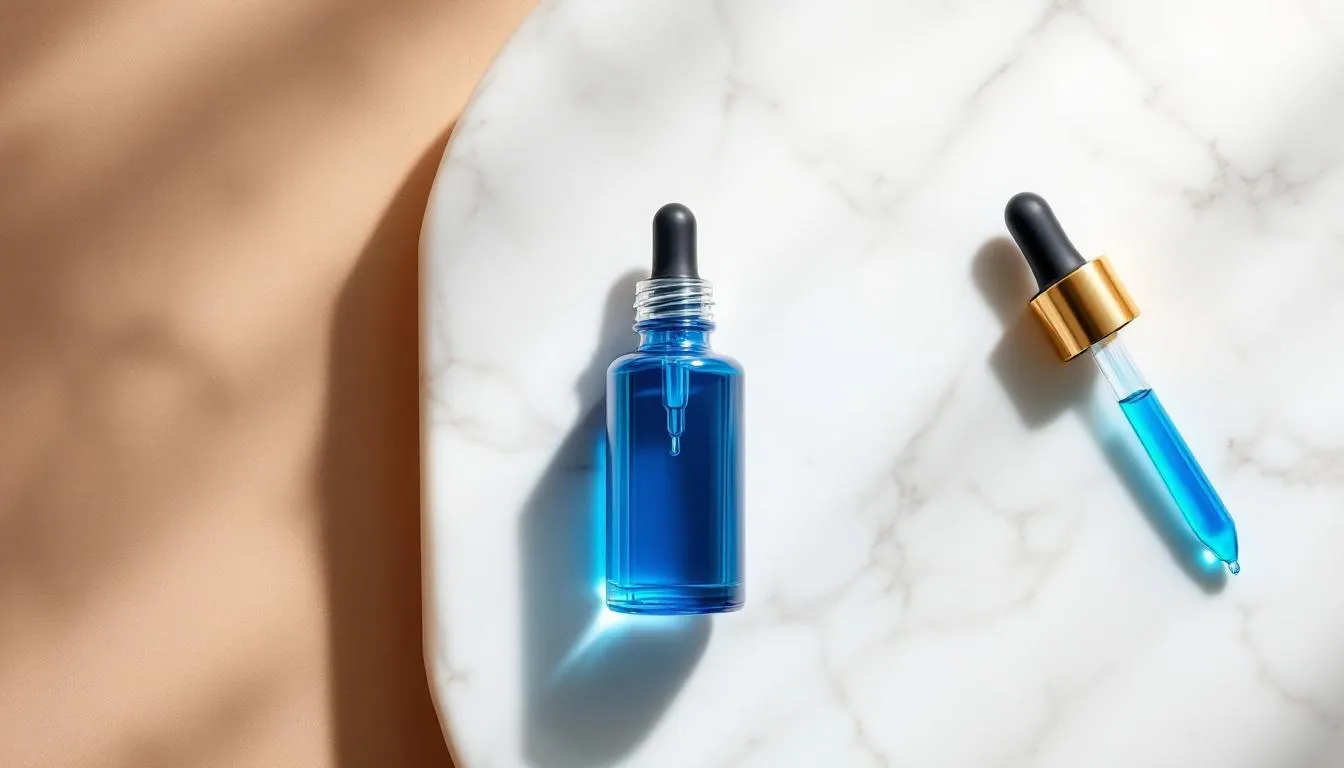
Lifeblud's methylene blue product is called Repair (MB), and it's sold as a liquid drop formula.
The purity claim is the most important thing to understand upfront. Lifeblud states that Repair (MB) surpasses USP pharmaceutical grade standards. That's not just a marketing claim. USP (United States Pharmacopeia) grade is the benchmark for purity in pharmaceutical manufacturing, the standard used in hospital-administered methylene blue for treating methemoglobinemia. Claiming to exceed it means their product undergoes stricter quality control than required for medical use.
Every batch comes with a certificate of analysis available on request. This is standard practice for serious pharmaceutical suppliers and notably absent from many supplement brands. If you want to verify what you're buying, Lifeblud will give you the documentation.
The formulation itself is clean. No fillers. The product is described as formaldehyde-free, which is an important differentiator since lower-quality methylene blue synthesis processes can leave formaldehyde as a byproduct.
Lifeblud doesn't publicly publish the exact mg/mL concentration on their product listings. Based on industry norms and customer reports, Repair (MB) follows the standard 1% solution format (10 mg/mL), meaning roughly 0.5 mg per drop from a standard glass dropper. If you need to verify the exact concentration before calculating doses, request the CoA directly from Lifeblud before purchasing.
For context on why purity matters so much with methylene blue specifically, check our deep-dive on USP grade methylene blue and the breakdown of heavy metals in reagent vs USP grade methylene blue. The short version: reagent-grade MB contains toxic impurities including heavy metals and formaldehyde that can cause serious harm. Only pharmaceutical or USP grade should ever be consumed by humans. Full stop.
How Lifeblud compares to other methylene blue brands
The methylene blue market has consolidated around a handful of credible brands. Here's where Lifeblud sits relative to the ones you're most likely to encounter.
Lifeblud vs Compass Laboratory
Compass Laboratory is probably the most accessible quality methylene blue brand in North America. They sell a 1% USP grade liquid, third-party tested, no formaldehyde, with transparent concentration labeling (0.5 mg/drop in a glass dropper bottle). You can get it on Amazon, which makes it the default recommendation for people just getting started.
Lifeblud's positioning is different. Their bioenergetic philosophy and educational ecosystem appeal to people who want to understand the "why" behind what they're taking, not just get a clean product shipped quickly. The community around Lifeblud tends to be more protocol-oriented. If you want to drop in a single bottle and get started, Compass is fine. If you want to go deep on the science and build a structured cellular energy protocol, Lifeblud is built for that.
Lifeblud vs Mitozen
Mitozen's Lumetol Blue is the premium end of the methylene blue market. Developed by Dr. John Lieurance, a chiropractic neurologist in Florida who has used methylene blue clinically for years, Mitozen's products are troches and bars containing 60-180mg of pharmaceutical grade MB co-formulated with photoactive polyphenols, essential oils, and probiotics in an organic palm oil base. The idea is synergistic photobiomodulation: the polyphenols amplify the effect of red light therapy when combined with methylene blue.
Mitozen costs significantly more, typically around $231 for a 90-day supply. The formulation complexity is real and the clinical development behind it is legitimate. But it's a different kind of product serving a different kind of user.
Lifeblud is for serious biohackers who want pharmaceutical grade quality and an education framework without paying the premium tier pricing or committing to the specific photobiomodulation stack. Our full breakdown of Mitozen is at our Mitozen methylene blue guide if you want to compare in detail.
Lifeblud vs 365 Labs
365 Labs makes methylene blue in both tablet and liquid forms, and their NeuroPro+ formula combines MB with caffeine, L-theanine, and Vitamin C in a patent-pending formulation. It's a good product for people who want the cognitive benefits in a convenient format with complementary compounds already included.
Lifeblud keeps their MB standalone, which gives you more control over your stack. If you're already running a comprehensive protocol, you probably don't want caffeine baked into your MB dose. Repair (MB) lets you time and dose everything independently.
A detailed review of 365 Labs is available at our 365 Labs methylene blue guide.
Lifeblud vs pharmaceutical grade capsules
Several brands now sell methylene blue in capsule form. The appeal is convenience and precise dosing. The concern is oxidation during manufacturing since MB is light-sensitive and the encapsulation process can degrade potency if not done correctly.
Liquid drops like Repair (MB) are generally considered the gold standard for home use because you control the dose precisely and the product maintains stability in a proper glass dropper bottle kept away from light. Our pharmaceutical grade methylene blue capsules guide covers this in more detail if capsules are specifically what you're after.
The science behind methylene blue
Methylene blue isn't a new compound. It was first synthesized in 1876 as a textile dye and has been used in medicine continuously since the late 1800s. It's on the World Health Organization's List of Essential Medicines for treating methemoglobinemia, a condition where hemoglobin can't release oxygen to tissues. The medical establishment has been using it safely for over a century.
What's newer is the understanding of why it might be valuable for healthy people pursuing longevity.
How it works in the mitochondria
The most important mechanism is what methylene blue does in the electron transport chain (ETC), the series of protein complexes in your mitochondrial inner membrane that produce ATP from food and oxygen.
Your ETC has five complexes (I through V). Electrons flow down the chain, creating the proton gradient that drives ATP synthesis. When complexes I or IV become dysfunctional, the electron flow breaks down. Reactive oxygen species (ROS) accumulate, ATP production drops, and cells start underperforming.
Methylene blue acts as a redox mediator. It can accept electrons from Complex I and donate them directly to Complex IV, essentially bypassing dysfunction in the middle of the chain and restoring electron flow. Studies show this mechanism can increase cellular oxygen consumption by up to 70% and boost ATP production by approximately 30% in cell cultures and animal models.
The implications for aging are significant. Mitochondrial dysfunction is one of the primary hallmarks of cellular aging. As we get older, ETC efficiency drops, ROS accumulates, and the downstream effects show up as everything from cognitive decline to physical fatigue. A compound that can maintain electron flow efficiency, even in partially dysfunctional mitochondria, addresses aging at a mechanistic level rather than just masking symptoms.
Methylene blue also reduces ROS production directly, acting as an antioxidant within the mitochondrial compartment itself. This matters because mitochondria are both the primary source of cellular ROS and among the most vulnerable targets of oxidative damage. A mitochondria-targeted antioxidant that simultaneously supports energy production is exactly the kind of dual-mechanism compound that serious longevity researchers get excited about.
Want to build a full longevity protocol around compounds that target mitochondrial function? WinAging's AI protocol builder creates a personalized supplement stack based on your age, goals, and experience level.
Cognitive and neuroprotective effects
The brain is particularly sensitive to mitochondrial function because neurons are metabolically expensive. Your brain consumes roughly 20% of your body's energy despite being only 2% of your body weight. Anything that affects mitochondrial efficiency hits neurons hard.
Methylene blue's cognitive effects have been studied extensively in animal models. Key findings include improved performance in Morris water maze tasks (spatial memory), enhanced object recognition memory, reversal of scopolamine-induced memory deficits, and improved outcomes in Alzheimer's disease animal models through increased amyloid clearance via proteasome activity.
The mechanism isn't just mitochondrial. Methylene blue is also a potent monoamine oxidase A (MAO-A) inhibitor, which means it slows the breakdown of serotonin, dopamine, and norepinephrine in the brain. This contributes to mood enhancement and cognitive sharpening effects that many users report, but it's also the source of the most serious drug interaction risk (more on this in the safety section).
In progeria cells, which carry mutations that cause dramatically accelerated aging, methylene blue corrected both mitochondrial and nuclear defects. That's a meaningful data point: it's not just improving energy production, it's addressing the cellular architecture of aging at a deeper level.
Human clinical evidence is more mixed. A clinical trial (NCT02380573) investigated MB's effects on healthy aging and mild cognitive impairment, and results from randomized controlled trials in Alzheimer's disease have been inconsistent. The science is promising, the mechanistic foundation is solid, and the animal evidence is compelling. But we're still waiting on robust, large-scale human trials. Harvard Health covered this in a recent piece noting that "wellness claims have outpaced rigorous human clinical trial results." That's an honest assessment of where things stand.
If you're interested in how methylene blue intersects with specific brain health conditions, our guides on methylene blue and ADHD, methylene blue for muscles, and methylene blue red light therapy cover those applications in depth.
Dosing Repair (MB) properly
Methylene blue follows a hormetic dose-response curve. That means the relationship between dose and effect isn't linear. Low doses produce benefits. Too high, and the same compound that boosts mitochondrial function starts inhibiting it.
This isn't a reason to be afraid of it. It's a reason to start low and go slow.
Dose ranges
The commonly cited safe range is 0.5-4.0 mg/kg body weight per day. For a 70kg (154 lb) person, that's roughly 35-280 mg per day. But the nootropic community, including Lifeblud customers, typically uses far lower doses:
Common nootropic range: 5-30 mg per day. Microdosing approach: 1-5 mg per day. Lifeblud customer example: 1-2 drops, 3-4 times per week (not daily).
If Repair (MB) is a standard 1% solution (10 mg/mL), then 10 drops delivers approximately 5 mg. That's a reasonable starting point for most people exploring methylene blue for the first time.
For calculating precise doses, the WinAging supplement interaction checker can help you verify combinations before you start. And if you want a tool-guided approach to building your full stack, the biological age calculator gives you a baseline to track against.
Timing
Most users take methylene blue in the morning or before cognitively demanding tasks. Avoid late afternoon or evening dosing. The energy and alertness effects can disrupt sleep if taken too close to bedtime, and methylene blue's mild MAOI activity means evening doses could affect your sleep architecture even before you notice it directly.
Some users cycle it, 5 days on, 2 days off, or 3-4 days per week as the Lifeblud user above described. Cycling may prevent tolerance development, though formal evidence on tolerance thresholds for methylene blue in oral supplement use is limited.
The blue urine issue
Expect your urine to turn blue or green after taking methylene blue. This is completely normal and benign. It's the compound being excreted. Higher doses produce more vivid discoloration. It typically clears within a day or two of stopping. This surprises first-time users but means nothing clinically.
Our detailed guide on methylene blue dosage drops covers the drop-counting methodology in more detail if you want to get precise.
Safety: what you must know before taking any methylene blue
This section matters more than any other part of this guide. Read it fully before you start.
The SSRI interaction: serious risk
Methylene blue is a potent MAO-A inhibitor. When combined with SSRIs, SNRIs, tricyclic antidepressants, or any other serotonergic medication, it can trigger serotonin syndrome. This is a potentially life-threatening condition involving tremor, agitation, muscle rigidity, hyperthermia, and in severe cases, seizures and death.
The FDA has issued a formal drug safety communication on this interaction. If you're taking any SSRI (fluoxetine, sertraline, escitalopram, paroxetine, citalopram, etc.) or any SNRI (venlafaxine, duloxetine, etc.), do not take methylene blue without explicit guidance from the physician prescribing your medication.
Wait at least 72 hours after your last MB dose before resuming serotonergic medications. The clearance time matters.
G6PD deficiency: absolute contraindication
If you have glucose-6-phosphate dehydrogenase (G6PD) deficiency, methylene blue is absolutely contraindicated. G6PD-deficient individuals cannot adequately counteract oxidative stress in red blood cells. Methylene blue in this context can trigger hemolysis, rapid destruction of red blood cells, which is a medical emergency.
G6PD deficiency is more common than many people realize, affecting roughly 400 million people worldwide, with higher prevalence in populations of African, Mediterranean, Middle Eastern, and Southeast Asian descent. If you're in a higher-risk demographic and haven't been tested, it's worth checking before starting methylene blue.
Other contraindications
Pregnancy: avoid out of caution. Animal and clinical data on intra-amniotic methylene blue use have shown fetal harm. Oral supplement use during pregnancy hasn't been studied adequately.
Renal or hepatic impairment: reduced clearance means the compound accumulates. Use with caution and medical supervision only.
Known hypersensitivity to thiazine dyes: contraindicated.
Grade is non-negotiable
Only pharmaceutical or USP grade methylene blue should ever be taken orally by humans. Industrial-grade and reagent-grade MB contain heavy metals, formaldehyde, and other industrial contaminants that cause direct toxicity. Lifeblud's Repair (MB) meets this standard. Many cheaper products sold online do not.
The guide on what to look for in methylene blue brands breaks down how to evaluate any brand's quality claims before purchasing.
Stacking methylene blue with other longevity compounds
Methylene blue doesn't exist in isolation. Most people using it seriously are running it as part of a broader mitochondrial support stack. Here's how Repair (MB) fits with some of the most commonly combined compounds.
Methylene blue and red light therapy
This is one of the most discussed combinations in biohacking circles. Red light (particularly 660nm) and near-infrared light (810-850nm) stimulate cytochrome c oxidase, which is Complex IV of the electron transport chain, the same complex that methylene blue directly supports. The theoretical synergy is real: both interventions improve ETC efficiency through different mechanisms, and there's preliminary evidence suggesting they're additive rather than redundant.
The key safety note here is timing. Methylene blue is photosensitizing, meaning it increases cellular sensitivity to light. This is actually the basis for its use in photodynamic therapy for some cancers. For general supplement use, the recommendation is to not take a large oral dose of MB immediately before intense red light therapy sessions, particularly to the face. Moderate doses (under 10mg) used alongside a typical home red light panel seem to be the approach most users take. See our methylene blue red light therapy guide for the full protocol breakdown.
Methylene blue and CoQ10
CoQ10 (ubiquinol form for better bioavailability) is another ETC support compound, but it operates at Complex I-III rather than at the MB target zone around Complexes I and IV. They're mechanistically complementary. Many serious longevity protocols run both.
If you're interested in the CoQ10 side of this equation, kaneka ubiquinol covers the gold standard form and dosing.
Methylene blue and NMN/NAD+ precursors
NAD+ is the essential cofactor for the electron transport chain. Without adequate NAD+, the whole system slows down, regardless of how well-formulated your MB is. NMN and NR (nicotinamide riboside) both serve as NAD+ precursors, and combining them with methylene blue is a natural fit for anyone targeting mitochondrial longevity comprehensively.
There's no known pharmacological conflict between methylene blue and NAD+ precursors. Our guide on why I stopped taking NMN is a good read if you're evaluating where NMN fits in your current stack, and the NAD vs NMN comparison covers the full landscape of NAD+ supplementation options.
Methylene blue and glycine
Glycine supports mitochondrial function indirectly through its role in glutathione synthesis (your body's master antioxidant) and collagen production. It's also the most calming of the amino acids, which can offset any overstimulation some people experience with methylene blue at higher doses.
Our guides on glycine dosage for anti-aging and glycine supplement for sleep cover the longevity case for glycine specifically.
Building a complete mitochondrial protocol
The combination of methylene blue, ubiquinol CoQ10, NAD+ precursors, and glycine represents a comprehensive approach to mitochondrial longevity. Each compound targets a different mechanism: electron transport efficiency, cofactor availability, antioxidant status, and amino acid support. Not sure how to dose and time all of these for your specific situation? WinAging's protocol builder creates a personalized longevity stack based on your goals, age, and experience level.
Who should consider Lifeblud specifically?
Lifeblud is a good fit if:
You're based in Canada or prefer a Canadian brand with domestic shipping. You value the bioenergetic philosophy and want a brand that educates, not just sells. You're running a structured longevity protocol and want a standalone MB product without proprietary blends or additional stimulants. You want CoA-backed purity without paying the premium tier pricing of Mitozen. You've already used methylene blue from another brand and want to try a quality Canadian alternative.
Lifeblud might not be the best fit if:
You want the most accessible/cheapest entry point (Compass Laboratory is probably simpler for that). You specifically want the photobiomodulation co-formulation that Mitozen offers. You want capsules rather than liquid drops.
The brand has earned its reputation through consistent quality and a genuine commitment to education. Among the handful of methylene blue brands worth recommending, Lifeblud is one of them.
Frequently asked questions
Is Lifeblud Repair (MB) USP grade?
Lifeblud claims Repair (MB) surpasses USP pharmaceutical grade standards, meaning it meets or exceeds the purity requirements used in medical-grade methylene blue. They provide certificates of analysis on request to verify this. Always ask for the CoA before purchasing any methylene blue product, regardless of brand.
How many drops of Repair (MB) should I start with?
Start with 1-2 drops, which delivers approximately 0.5-1 mg assuming a standard 1% solution. Assess your response over several days before increasing. Most nootropic users settle in the 5-15 mg range (10-30 drops). Never start at the top of the dosing range.
Can I take Lifeblud methylene blue with my other supplements?
The most important interaction to check is with any SSRI, SNRI, or other serotonergic medication: this combination can cause serotonin syndrome and is genuinely dangerous. Use the WinAging supplement interaction checker to screen any combination you're considering, and consult your prescribing physician if you're on any psychiatric medications.
How does Lifeblud compare to Mitozen for methylene blue?
Both are high-quality pharmaceutical grade products, but they serve different users. Mitozen's Lumetol Blue is a complex co-formulation designed specifically for photobiomodulation protocols, developed by a clinician (Dr. John Lieurance) with extensive clinical use experience. It's the premium tier option. Lifeblud's Repair (MB) is a clean standalone liquid with a strong purity commitment at a more accessible price point. See our Mitozen methylene blue guide for a full comparison.
What does blue urine mean when taking methylene blue?
Blue or green-tinted urine is a completely normal and expected effect of methylene blue supplementation. It's the compound being excreted through your kidneys. It's not a sign of harm. Higher doses produce more vivid discoloration. It clears within a day or two of stopping.
Can I take methylene blue every day?
Many users take MB daily at low doses without reported issues. Others prefer cycling, 3-5 days per week, to avoid potential tolerance development. The hormetic dose curve means more isn't better, so consistent low-dose use is generally preferred over occasional high-dose use. Start with 3-4 days per week and adjust based on how you feel.
Is methylene blue safe for long-term use?
Long-term oral supplementation at low doses appears to be well-tolerated in healthy adults based on current evidence, but long-term controlled studies in supplement users don't exist yet. The clinical track record for medical use (IV dosing for methemoglobinemia) is excellent over decades. The main risks, the SSRI interaction and G6PD contraindication, are well-characterized and avoidable.
Where can I buy Lifeblud Repair (MB)?
Repair (MB) is available directly through the Lifeblud website (lifeblud.co). They ship domestically within both Canada and the USA.
Related guides
- Mitozen methylene blue: Lumetol Blue complete guide
- USP grade methylene blue: why purity matters
- Methylene blue and red light therapy
- Supplement interaction checker
- Methylene blue dosage drops: how to measure accurately
Sources
- The Potentials of Methylene Blue as an Anti-Aging Drug (PMC8699482)
- FDA Drug Safety Communication: Methylene Blue and Serotonin Syndrome
- From Mitochondrial Function to Neuroprotection: Methylene Blue (PMC5826781)
Methylene blue is one of the more interesting compounds in the longevity toolkit right now. The mechanistic case is strong, the animal evidence is compelling, and a century of medical use gives it a safety profile that most newer biohacking compounds can't match. Lifeblud's Repair (MB) is a clean, quality-focused way to explore it.
Start low. Respect the drug interactions. And if you're ready to build a complete cellular energy protocol around it, WinAging's protocol builder can design a personalized stack based on your goals and what you're already taking.