Curcumin IV therapy: benefits, risks, and cost breakdown
IV curcumin bypasses the bioavailability problem that makes oral supplements nearly useless. Here's what research shows about benefits, safety, and whether it's worth the cost.
The problem with curcumin isn't the science. The science is excellent. Curcumin targets NF-kB, inhibits COX-2, activates AMPK, triggers Nrf2, clears senescent cells, and in animal models has extended lifespan by up to 26%. In a longevity stack, few compounds check as many boxes.
The problem is getting it into your body.
Oral curcumin has bioavailability between 0.16% and 1%. That's not a typo. You can swallow 12 grams a day and most of it passes straight through you. The liver metabolizes whatever little gets absorbed before it can reach tissues where it matters. Researchers have spent decades trying to solve this, and while enhanced oral formulations have helped, the absorption ceiling is still frustratingly low.
So a logical question emerged: what if you skip the gut entirely?
That's the premise behind curcumin IV therapy. You infuse curcumin directly into the bloodstream, bypass every absorption barrier, and deliver it straight to systemic circulation. Integrative oncology clinics have been doing this alongside chemotherapy for years. Wellness and anti-aging clinics are now offering it as a longevity drip.
But does it actually work better? Is it safe? And for most people trying to optimize their health, is it worth it?
The answers are more complicated than most clinics will tell you. This guide covers everything you need to know: the mechanisms, the research, the real cost comparison, and who genuinely benefits.
What curcumin IV therapy is
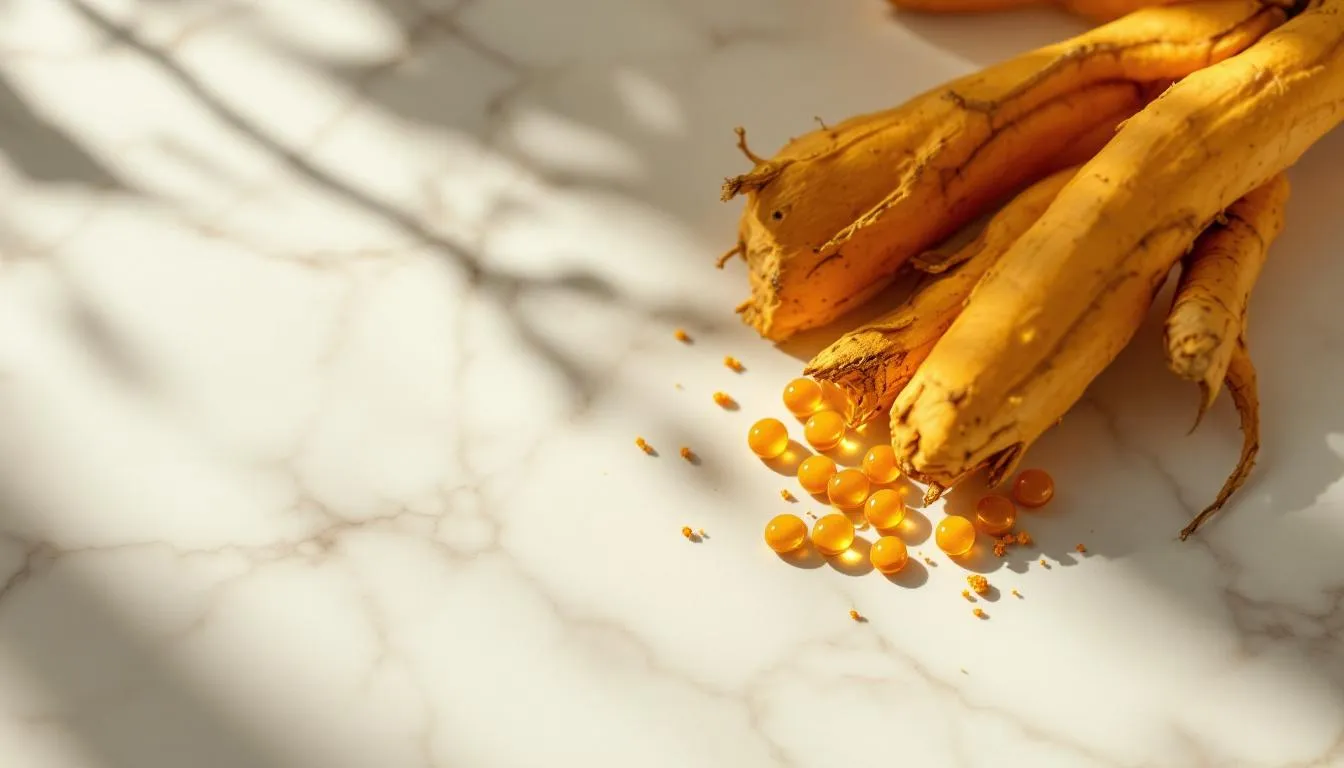
Curcumin is the primary bioactive polyphenol in turmeric (Curcuma longa). It's been studied for decades as an anti-inflammatory, antioxidant, and anticancer compound. The basic premise is sound. The problem has always been delivery.
Curcumin IV therapy delivers curcumin intravenously, injected directly into the bloodstream through a standard IV line. Treatments are administered at specialized integrative medicine clinics, naturopathic oncology centers, and increasingly at wellness clinics positioning the drip for anti-aging purposes. Sessions typically run 60 to 90 minutes, though lower-dose sessions can be shorter.
There's an important regulatory context here. No IV curcumin product is FDA-approved. Everything administered in clinical settings is compounded, meaning it's prepared by specialty pharmacies to order. This isn't unusual in integrative medicine, and it isn't inherently a red flag, but it does mean formulations vary across providers, quality control depends on the compounding pharmacy, and the full safety profile is still being established through ongoing research.
The key distinction between IV and oral is simple: oral curcumin must survive stomach acid, navigate the intestinal lining, avoid first-pass liver metabolism, and resist rapid elimination. IV curcumin skips all of that. You get immediate, high plasma concentrations with no absorption barriers between you and the compound.
Whether that translates into meaningful clinical benefit is the question the research is still working to answer.
The bioavailability crisis: why oral curcumin often fails
Before you can appreciate what IV curcumin does, you need to understand how badly oral curcumin underperforms.
The numbers are stark. Human pharmacokinetic studies show oral bioavailability ranging from 0.16% to 1%. Even at escalating doses, curcumin concentration in the bloodstream stays stubbornly low. At 12 grams per day, most of what you swallow is excreted in feces without meaningful absorption.
There are four compounding reasons for this.
Poor water solubility. Curcumin is highly lipophilic, meaning it dissolves in fats but not in water. Most of the digestive environment is aqueous, which makes absorption difficult from the start.
pH instability. Curcumin degrades rapidly at neutral and alkaline pH. The stomach is acidic and somewhat protective, but beyond the stomach, degradation accelerates.
First-pass liver metabolism. Whatever gets absorbed through the intestinal wall gets caught by the liver, which converts it to glucuronide and sulfate conjugates. These metabolites have different properties than free curcumin and are cleared from the system quickly.
Short plasma half-life. Even if some free curcumin makes it into circulation, it's eliminated within hours.
Enhanced oral formulations have improved this picture significantly. Theracurmin, a colloidal submicron particle formulation, achieves 27 times higher bioavailability than standard curcumin. Its area under the curve (AUC, a measure of total exposure) is 11 times higher than BCM-95. BCM-95, which uses turmeric essential oils to boost absorption, achieves about 6.93 times the bioavailability of standard curcumin. Meriva and other phospholipid complexes improve absorption substantially too. CurQfen, a galactomannoside complex, has shown up to 45 times greater blood levels than standard curcumin.
These are real improvements. But even at 27 times better absorption, you're still starting from a very low baseline. The concentrations that show dramatic effects in preclinical cell studies often require tissue levels that enhanced oral formulations still struggle to achieve reliably.
That's the honest picture. And it's why the idea of IV delivery, where plasma concentrations are immediate and complete, has genuine scientific appeal.
How IV curcumin works in the body
Curcumin doesn't work through a single pathway. It works through many, which is both its appeal and one reason its clinical translation is complex.
NF-kB inhibition: shutting down the inflammation master switch
NF-kB (nuclear factor kappa-light-chain-enhancer of activated B cells) is a transcription factor that governs the expression of hundreds of pro-inflammatory genes. Cytokines like TNF-alpha, IL-1, and IL-6 all flow through NF-kB. Many cancer cells use NF-kB for survival signaling.
Curcumin suppresses NF-kB by blocking translocation of the p65 subunit into the nucleus. This effectively shuts down the entire downstream cascade. For chronic inflammation driven by persistent NF-kB activation, this mechanism is directly relevant. This is curcumin's primary and most well-documented anti-inflammatory mechanism.
COX-2 and iNOS inhibition
Curcumin directly inhibits cyclooxygenase-2 (COX-2), the enzyme that produces pro-inflammatory prostaglandins. It also inhibits inducible nitric oxide synthase (iNOS), another major inflammatory mediator. These are the same enzymes targeted by NSAIDs like ibuprofen, but through a different mechanism and without NSAID's gastrointestinal side effects at standard doses.
AMPK activation: the metabolic longevity pathway
This is where curcumin gets particularly interesting from a longevity perspective. Curcumin activates AMPK (AMP-activated protein kinase) through direct binding at its allosteric regulatory site. The mechanistic estimate puts curcumin's potency at AMPK phosphorylation at roughly 400 times that of metformin.
AMPK activation triggers a cascade relevant to aging: it reduces lipogenesis, stimulates fatty acid oxidation, activates autophagy (cellular cleanup), inhibits mTOR signaling, and increases SIRT1 activity. mTOR inhibition and SIRT1 activation are two of the most-studied longevity pathways.
Berberine is another compound that activates AMPK through a related mechanism. The comparison is useful because berberine has strong oral bioavailability data, which curcumin lacks, and the two are sometimes discussed together in longevity protocols.
Nrf2 activation: boosting your antioxidant defenses
Curcumin activates Nrf2, a transcription factor that switches on the body's endogenous antioxidant systems: superoxide dismutase, catalase, glutathione peroxidase, and heme oxygenase-1. Rather than acting as a direct antioxidant (like vitamin C), curcumin upregulates your own antioxidant production. This is a more elegant and potentially more durable approach to oxidative stress.
Senolytic activity
Curcumin demonstrates senolytic properties in animal studies, helping clear senescent cells, the "zombie cells" that stop dividing but don't die, accumulate with aging, and secrete inflammatory signals that damage surrounding tissue. Reducing senescent cell burden is one of the most active areas of longevity research, and curcumin's senolytic activity is a meaningful part of its anti-aging appeal.
Pharmacokinetics when given intravenously
Here's something that surprises most people: free IV curcumin actually drops below the quantification limit in plasma within about 20 minutes. The compound itself is short-lived even in the bloodstream.
But its converted metabolites tell a different story. These metabolites show an AUC four times greater than direct curcumin, and the elimination half-life extends to approximately seven hours. Nanoparticle formulations for IV use can increase peak concentration by 7.4-fold and extend the half-life further.
So when evaluating IV curcumin, the relevant pharmacokinetics are largely those of curcumin's metabolites, not free curcumin itself. Whether those metabolites carry the therapeutic benefits seen with free curcumin is part of what ongoing research is trying to establish.
What the research actually shows
This is where intellectual honesty matters. The evidence base for IV curcumin is promising but genuinely limited. You should know what exists and what it says.

The breast cancer RCT (2020)
The most significant clinical trial on IV curcumin was published in Phytomedicine in 2020. It was randomized, double-blind, and placebo-controlled: 150 women with advanced or metastatic breast cancer received paclitaxel (a standard chemotherapy agent) plus either IV curcumin (300 mg solution, once per week) or placebo, for 12 weeks.
The results were notable. Overall response rate in the curcumin group was 51% vs. 33% in the placebo group at four weeks (p < 0.01). In patients who completed the full treatment course, the response rate rose to 61% vs. 38% (odds ratio 2.64). Physical performance was significantly higher in the curcumin group. No major safety concerns emerged.
This is a meaningful result. It's a real RCT, not a small case series, and the improvement in response rate is clinically significant. That said, this is a study in advanced breast cancer patients receiving concurrent chemotherapy, not in healthy people seeking longevity benefits.
ASCO 2018 retrospective (triple-negative breast cancer)
A retrospective analysis presented at ASCO 2018 examined IV curcumin in combination with intravenous vitamin C in triple-negative breast cancer, a particularly aggressive subtype with limited treatment options. Results showed potential benefit, though retrospective studies carry significant limitations compared to prospective RCTs.
Phase I dose-escalation trial (docetaxel + curcumin)
A Phase I dose-escalation trial published in Cancer Biology and Therapy in 2010 examined docetaxel plus oral curcumin in advanced and metastatic breast cancer. This established tolerability and set the stage for later IV trials.
Neuroprotection research
Animal studies show curcumin increases phospho-AMPK and SIRT1 levels in the brain, alleviates neuronal demyelination, reduces neuroinflammation, and demonstrates potential against Alzheimer's-related amyloid pathology. These are preclinical findings, not human trials, but the mechanistic basis is solid. The AMPK/SIRT1/Nrf2 axis in neural tissue is exactly the pathway you'd want to activate for neuroprotection.
Cardiovascular data
Curcumin research in cardiovascular disease shows protective effects on cardiomyocytes, reduction of myocardial hypertrophy, improved vascular endothelial function, and modulation of blood pressure and cholesterol markers through the AMPK/mTOR axis. Most of this evidence is from animal models and small human trials on oral curcumin, not IV specifically.
Longevity research (2024 GeroScience review)
A 2024 review in GeroScience explicitly categorized curcumin as a promising longevity compound, documenting its inhibition of NF-kB, mTOR, and inflammatory aging pathways alongside its activation of AMPK, sirtuins, and Nrf2. One animal study showed a 26% lifespan extension. Whether that translates to humans is unknown, but the mechanistic case is unusually strong.
Not sure how all these longevity compounds fit into a protocol built for your specific biology? WinAging's AI protocol builder creates personalized longevity stacks based on your goals, age, and biomarker data.
Who uses curcumin IV therapy
Understanding who actually uses this helps calibrate the evidence and the context.
Integrative oncologists are the primary practitioners. They use IV curcumin as a complement to conventional chemotherapy, not a replacement. The Canadian College of Naturopathic Medicine (CCNM) published a professional resource in 2024 specifically for practitioners administering IV curcumin in cancer care. The consensus: the evidence is promising, Phase I trials show acceptable safety, and more rigorous evidence is needed.
Functional and integrative medicine physicians use IV curcumin for severe chronic inflammatory conditions where oral absorption may be impaired: advanced inflammatory bowel disease, active Crohn's disease flares, rheumatoid arthritis in acute phases, and autoimmune disease where systemic inflammation is high.
Wellness and biohacking clinics are increasingly offering curcumin IV drips positioned for anti-inflammatory and longevity purposes. This is the fastest-growing segment. Some are rigorous. Some are not. The absence of standardized protocols and FDA approval means quality varies significantly across providers.
The honest framing from evidence-based practitioners: IV curcumin is a tool with a specific clinical profile. It makes most sense in situations where oral absorption is inadequate, where peak plasma concentrations matter (such as timing with chemotherapy), or where the patient has a specific condition driving the choice.
Dosing protocols for IV curcumin
Dosing isn't standardized because there's no FDA-approved formulation. What exists are practitioner-developed frameworks built on clinical experience and the available research.
The most widely referenced framework distinguishes two tiers:
Low dose (1-10 mg/kg): Used for autoimmune conditions, inflammatory disease, kidney support, and general wellness applications. A 70 kg person at this range receives 70-700 mg per session.
High dose (10-40 mg/kg): Reserved for advanced cancer protocols. Some practitioners escalate to 40 mg/kg two to three times weekly in patients with tolerance. The breast cancer RCT used a 300 mg solution once weekly for 12 weeks, a moderate dose in this context.
Administration rate: Initial infusions typically run 5-7 mL per minute. Session duration is 60-90 minutes for standard doses. First-time patients often receive a slower infusion to check for reactions.
Frequency: Most wellness protocols are once or twice weekly. Cancer protocols may run twice weekly or more during active treatment phases.
These numbers apply specifically to emulsion-based IV curcumin. Different formulations, including nanoparticle and liposomal IV preparations, may follow different protocols.
One important practical note: because there's no FDA-approved formulation and all products are compounded, you should always ask your provider which pharmacy compounded the preparation, what emulsifier is used, and whether pharmaceutical-grade excipients are confirmed. The 2017 safety incident (covered in the safety section below) was directly linked to an excipient quality failure.
Cost breakdown: IV vs oral curcumin
This is where most people recalibrate their thinking about IV curcumin.
IV curcumin session costs:
- US clinics: approximately $150-$400 per session (pricing varies widely and is rarely published openly)
- UK: some providers list curcumin IV drips around £275 per session
- A typical 8-12 week protocol at once per week: $1,200-$4,800 total
- Cancer protocols at twice weekly: costs can exceed $10,000 over a treatment course
High-bioavailability oral curcumin monthly costs:
- Standard curcumin 95% extract: $10-$30/month
- BCM-95: $25-$50/month
- Meriva (phospholipid complex): $30-$60/month
- Theracurmin: $40-$80/month
- Liposomal curcumin: $40-$100/month
The math is striking. A single IV session can cost more than 3-6 months of high-quality daily oral supplementation. For someone paying $300 per IV session weekly, you're spending $15,600 a year. For that budget, you could be taking Theracurmin daily plus stacking multiple other evidence-based longevity compounds.
This cost differential matters because the evidence base for IV curcumin in healthy longevity-seeking individuals is much thinner than for its use in clinical cancer settings. The breast cancer RCT is a real result, but it's in a very different population and context than a 45-year-old biohacker wanting to reduce inflammation.
For most people in the WinAging community optimizing their health, the cost-benefit calculus strongly favors high-bioavailability oral curcumin. IV curcumin belongs in a specific category: clinical situations where oral absorption is genuinely inadequate or where peak plasma concentrations alongside a specific treatment are the goal.
Use WinAging's supplement interaction checker to see how curcumin stacks with other compounds in your protocol before you add it.
High-bioavailability oral alternatives
If you're not a cancer patient and you want the benefits of curcumin, your real question isn't "IV or standard oral." It's "which oral form is actually worth using?"
The answer matters because standard curcumin is largely a waste of money. The good news is that well-formulated oral options exist that make supplementation genuinely meaningful.
Theracurmin
Theracurmin uses colloidal submicron particle technology to make curcumin water-dispersible. The result is 27 times the bioavailability of standard curcumin, with an AUC 11 times higher than BCM-95. Peak plasma concentrations are dose-dependent up to 210 mg without saturation. This is the most bioavailable oral form documented in head-to-head comparisons.
If you're using curcumin for cognitive support, anti-inflammatory effects, or longevity protocols, Theracurmin is worth the price premium over standard extracts. The evidence base for this specific form is solid.
BCM-95 (Biocurcumax)
BCM-95 uses turmeric essential oils and sesquiterpenoids to enhance absorption, achieving about 6.93 times the bioavailability of standard curcumin. It has a strong clinical trial record specifically in arthritis and inflammatory conditions. It's also more cost-effective than Theracurmin for long-term daily use.
Meriva (phytosome complex)
Meriva binds curcumin to phosphatidylcholine to create a phytosome complex that survives gut transit better than free curcumin. It has more than a decade of human clinical trial data, particularly in joint inflammation and muscle recovery. It's well-tolerated and widely available.
Liposomal curcumin
Liposomal formulations encapsulate curcumin in phospholipid vesicles that merge with cell membranes, potentially improving both intestinal absorption and cellular delivery. Bioavailability varies significantly across products, but quality liposomal curcumin can approach IV-level tissue delivery in some animal models.
The catch: the liposomal supplement market has significant quality variation. You need third-party tested products with verified particle size and encapsulation efficiency.
Piperine combination
Adding piperine (black pepper extract, typically 20 mg alongside 500 mg curcumin) increases bioavailability roughly 20-fold. This is cheap and effective. The limitation is that piperine also inhibits certain cytochrome P450 enzymes, which can interact with some medications. Check interactions before stacking if you're on prescription drugs.
How to choose
For general longevity and anti-inflammatory use: Theracurmin or BCM-95 are your best options, taken daily with a meal containing some fat.
For joint-specific inflammation: Meriva has the deepest clinical evidence.
For budget-conscious protocols: BCM-95 or a high-quality liposomal formulation offer the best value.
Avoid any product that doesn't specify its curcuminoid form or uses generic "curcumin extract" without bioavailability enhancement.
Safety: what you need to know
This is a section most wellness blogs gloss over. It shouldn't be glossed over.
The 2017 FDA safety events
In March 2017, the FDA received an adverse event report about a 30-year-old woman who experienced cardiac arrest within minutes of starting an IV infusion of a compounded curcumin emulsion product made by ImprimisRx. She suffered anoxic brain injury and died.
In May 2017, a second report: a 71-year-old man developed cough, erythema, shortness of breath, itching, and hypotension within minutes of infusion. He required IV epinephrine and emergency care.
ImprimisRx recalled all unexpired products of this formulation in June 2017.
The FDA investigation identified the likely cause: the formulation used PEG 40 castor oil as an emulsifier, and the castor oil was ungraded, potentially contaminated with diethylene glycol (DEG), a toxic compound. PEG castor oil is already associated with hypersensitivity reactions in other IV medications (paclitaxel and cyclosporine use it and carry warnings for this reason). An ungraded, potentially contaminated version compounds that risk substantially.
The critical interpretation: The serious adverse events were almost certainly linked to the excipient quality failure, not curcumin itself. Properly formulated IV curcumin using pharmaceutical-grade excipients has not produced comparable events in the research literature. But this event underscores why formulation quality, compounding pharmacy credentials, and provider accountability matter enormously with IV curcumin.
It's also why you should always ask your provider: what pharmacy compounded this? What emulsifier is used? Is it pharmaceutical-grade? If they can't answer clearly, walk away.
Side effects documented in research
Mild and common:
- Fever and chills (most common infusion reaction)
- Nausea and vomiting
- Dizziness or headache
- Skin flushing or itching
- Transient changes in some lab values
- Common cold-like symptoms during or after infusion
Serious but rare:
- Hemolysis (destruction of red blood cells) at high doses
- Hyponatremia (low sodium)
- Hypersensitivity reactions to excipients
Contraindications
Don't use IV curcumin if you have:
- Known allergy to turmeric or curcumin
- Gallbladder disease or biliary obstruction (curcumin stimulates bile production)
- Severe liver or kidney disease
- Bleeding disorders (curcumin has anticoagulant properties)
- Pregnancy or breastfeeding
Drug interactions to know
Anticoagulants and blood thinners: Curcumin enhances antiplatelet activity and anticoagulant effects. If you're on warfarin, heparin, or high-dose aspirin, this combination raises bleeding risk.
Diabetes medications: Curcumin lowers blood glucose. Combined with insulin or metformin, it may cause hypoglycemia.
CYP450 substrates: Curcumin inhibits CYP3A4 and CYP2C9 enzymes, which metabolize many medications. This can raise levels of drugs that depend on these enzymes for clearance.
Certain chemotherapy drugs: The interaction is complex. Some studies suggest synergistic benefit (the paclitaxel trial), others suggest potential interference depending on the agent and timing.
Always check supplement interactions before starting curcumin alongside any prescription medications.
Who should actually consider IV curcumin
The honest answer is: most people pursuing longevity optimization don't need IV curcumin. The cost-benefit for healthy individuals is weak compared to high-bioavailability oral forms.
But there are situations where IV genuinely makes sense.
Cancer patients undergoing chemotherapy: This is the strongest indication. The paclitaxel trial showed a 61% vs. 38% response rate improvement in completers. If you're receiving cancer treatment, the conversation about IV curcumin should happen with your integrative oncologist, not your wellness clinic.
Severe gastrointestinal malabsorption: Patients with Crohn's disease, severe inflammatory bowel disease, short bowel syndrome, or other conditions that dramatically impair intestinal absorption may not absorb oral curcumin regardless of formulation. IV delivery bypasses the problem entirely.
Acute systemic inflammatory flares: In situations of severe, active systemic inflammation where high plasma concentrations quickly matter, IV delivery provides a speed and concentration profile that oral can't match.
Clinical research protocols: If you're participating in a study, that context provides appropriate oversight, standardized formulations, and monitoring.
For everyone else, the better path is a well-formulated oral curcumin taken consistently, combined with other evidence-based longevity compounds in a sensible stack. WinAging tracks the research across the full longevity compound library so you don't have to wade through PubMed to figure out what's worth your money.
How curcumin fits into a longevity stack
Curcumin doesn't exist in isolation. It works best when considered alongside other compounds targeting overlapping longevity pathways.
With berberine: Both activate AMPK. The combination targets metabolic longevity through complementary mechanisms. Berberine's oral bioavailability is actually strong compared to standard curcumin, making it a more accessible AMPK activator for most people.
With CoQ10/ubiquinol: Curcumin's mitochondrial support pathways complement CoQ10's direct role in the electron transport chain. Kaneka ubiquinol is the most bioavailable form worth considering.
With taurine: Both support mitochondrial function through distinct mechanisms. Taurine's direct mitochondrial protection and curcumin's indirect pathway through Nrf2 and AMPK are non-overlapping. Taurine supplementation is inexpensive and very safe, making it an easy addition.
With glycine: Glycine and curcumin together address different aging drivers. Glycine's anti-inflammatory and collagen-supporting effects complement curcumin's broader anti-inflammatory action. See glycine dosage for anti-aging for dosing guidance.
With spermidine: Both have senolytic and autophagy-enhancing properties. Spermidine's mechanism overlaps meaningfully with curcumin's and the combination is used in some advanced longevity protocols.
Building a stack that actually makes sense for your biology, goals, and budget is harder than it sounds. There's a lot of noise in this space. WinAging's protocol builder uses 30+ data points from your onboarding to design a prioritized protocol rather than a random pile of supplements.
Check your full stack before adding curcumin, especially if you're on medications. The biological age calculator can also help you track whether your protocol is actually moving the needle on objective markers.
NAD, glutathione, and curcumin: comparing IV longevity therapies
Since we're on the topic of IV therapy, it's worth positioning curcumin alongside other IV options in the longevity and wellness space.
NAD+ IV: This is the most popular longevity IV drip. NAD+ cannot be absorbed orally in meaningful amounts, so the IV route genuinely solves an absorption problem. How long NAD IV lasts depends on the dose and protocol. NAD IV has a cleaner safety record than curcumin IV and a stronger case for routine wellness use.
Glutathione IV: The master antioxidant is also poorly absorbed orally. IV glutathione delivers directly where it's needed. The evidence for longevity benefits specifically is thinner than for NAD, but it's used widely for oxidative stress conditions.
Curcumin IV: Best evidence in cancer complementary care. Good mechanistic case for inflammation and longevity. Weakest value proposition for healthy individuals compared to enhanced oral options.
Vitamin C IV: High-dose IV vitamin C (>10g) achieves plasma concentrations impossible orally. Used in integrative oncology and for immune support.
If you're spending money on IV therapies, NAD+ has the strongest case for healthy longevity optimization. Curcumin IV makes more sense if you have a specific clinical indication or truly cannot absorb oral forms.
Frequently asked questions
Is curcumin IV therapy safe?
For most people at properly formulated doses in a legitimate clinical setting, yes, with the important caveat that there's no FDA-approved IV curcumin formulation. The 2017 adverse events were traced to an excipient quality issue (non-pharmaceutical-grade castor oil), not curcumin itself. That said, mild infusion reactions (fever, chills, nausea) are common. Rare but serious reactions can occur. Always use an experienced, credentialed provider and verify the compounding pharmacy.
How much does curcumin IV therapy cost?
In the US, expect $150-$400+ per session. A typical 8-12 week protocol runs $1,200-$4,800 total. High-bioavailability oral curcumin costs $40-$100 per month. For most healthy individuals, the cost differential doesn't justify IV unless there's a specific clinical reason.
Is IV curcumin better than oral?
For acute delivery of high plasma concentrations, yes. For most health goals in people without absorption issues, not necessarily. Theracurmin achieves 27 times the bioavailability of standard curcumin when taken daily, and cumulative monthly exposure from daily oral supplementation may rival intermittent weekly IV sessions for most applications.
Can I take curcumin with my medications?
Curcumin interacts with anticoagulants, diabetes medications, and drugs metabolized by CYP3A4 and CYP2C9. Check supplement interactions if you're on prescription medications before starting any curcumin protocol.
How often should you get curcumin IV therapy?
Clinical protocols vary from once weekly to twice weekly. Wellness protocols typically use once weekly. There's no universal standard. The appropriate frequency depends on the indication, the formulation, and individual tolerance.
Does curcumin IV therapy help with cancer?
There is one randomized controlled trial showing improved response rates in advanced breast cancer patients receiving IV curcumin alongside paclitaxel (61% vs. 38% in completers). This is promising but not sufficient for mainstream oncology recommendations. Integrative oncologists use it as a complement to conventional treatment, never as a replacement.
What should I look for in a clinic offering curcumin IV?
Ask: who compounded the preparation and which pharmacy? What emulsifier is used, and is it pharmaceutical-grade? What monitoring is in place during infusion? Is a trained provider present throughout? Any clinic that can't answer these questions clearly is not operating at an appropriate standard.
Related guides
- How long does NAD IV last?
- Best berberine supplement (another AMPK activator with strong oral bioavailability)
- Glycine dosage for anti-aging
- Spermidine rich foods
- Supplement interaction checker
Sources
- Efficacy and safety of curcumin + paclitaxel in metastatic breast cancer, Phytomedicine 2020
- Intravenous Curcumin in Cancer Care, CCNM Professional Resource 2024
- Longevity and anti-aging effects of curcumin, GeroScience 2024 (PMC11009219)
Most people optimizing for longevity don't need IV curcumin. What they need is a daily curcumin habit using a formulation that actually gets absorbed, combined with other compounds that address their specific biology. The IV route exists for specific clinical contexts, and it has real evidence behind it in those contexts.
Start with what's practical. Fix the absorption problem with a quality oral form. Test your inflammatory markers. Build a stack that fits your goals. Explore the free longevity tools or let WinAging's AI protocol builder design a personalized protocol based on where you actually are, not where you wish you were.