Berberine tincture: is liquid berberine worth it?
Berberine tincture vs capsules: which absorbs better, what the research says, how to dose liquid berberine, and when a tincture actually makes sense.
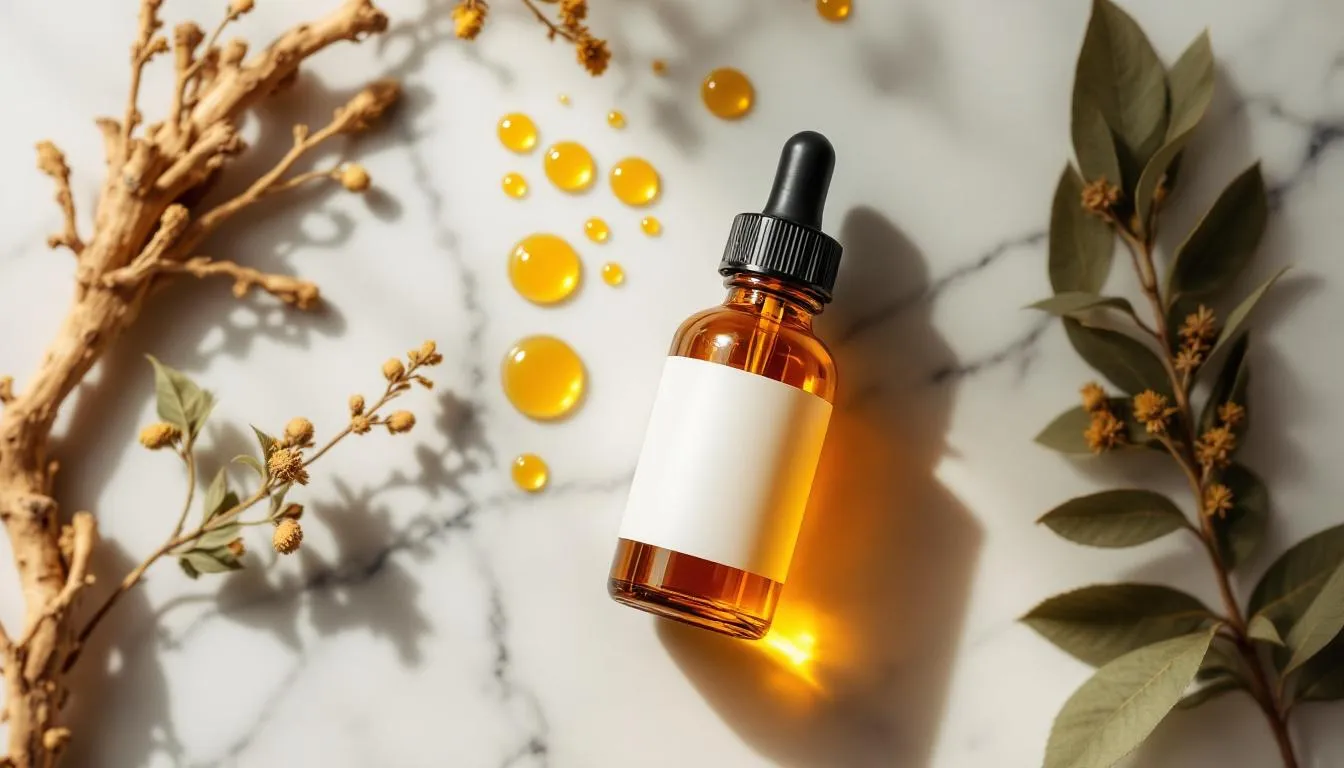
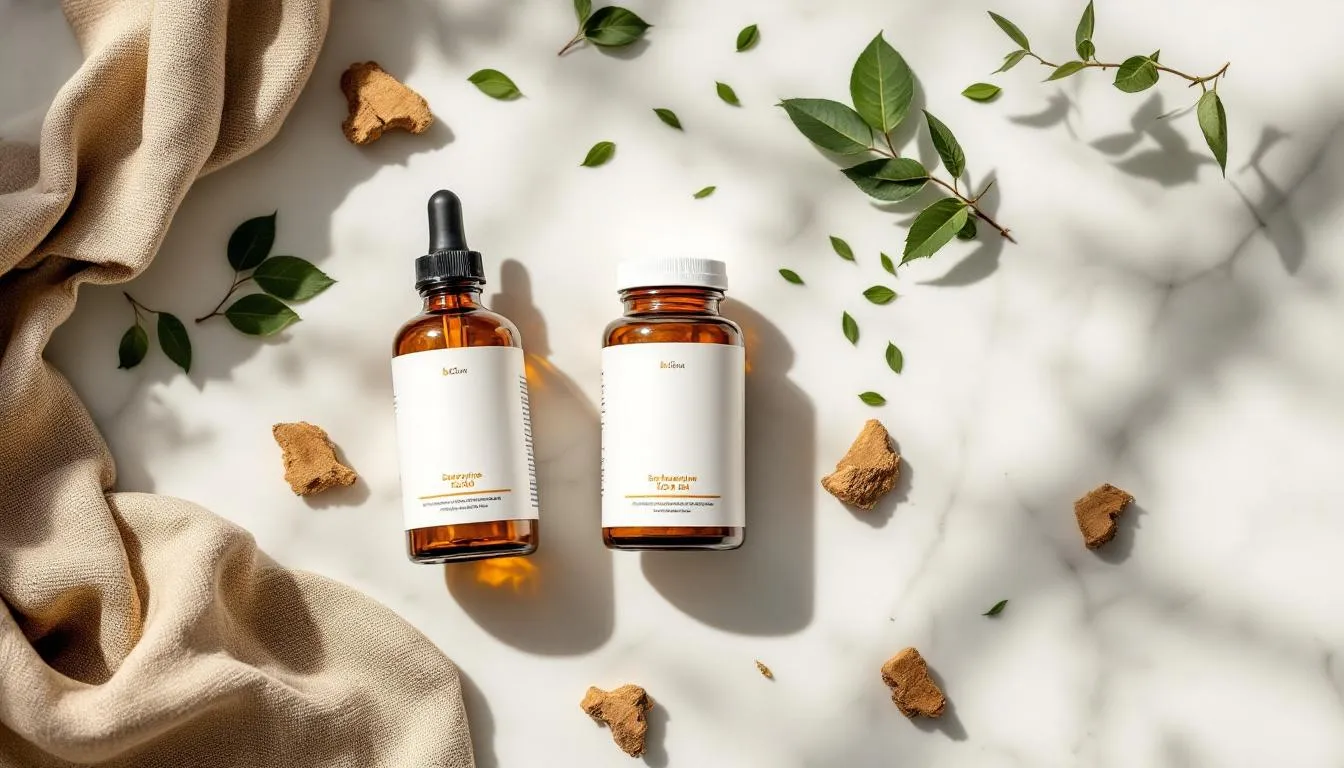
Most people who take berberine take capsules. That's fine. Capsules work. But there's a whole other format of this compound that rarely gets talked about: berberine tincture. Liquid. Dropper bottle. Often made from goldenseal root or Oregon grape.
Is it better? Is it a gimmick? Does it even deliver the same berberine you'd get from a capsule?
The answer isn't a simple yes or no. Tinctures have real advantages in certain situations, and real disadvantages in others. This guide breaks down the science, the dosing, the practical trade-offs, and when a berberine tincture actually makes sense for your stack.
What is berberine tincture?
A tincture is an alcohol-based herbal extract. You take the plant material, soak it in high-proof alcohol (usually 40-70% ethanol), let it macerate for weeks, then strain out the plant matter and bottle the liquid. The result is a concentrated extract you take by the dropper.
Berberine itself isn't a plant. It's an isoquinoline alkaloid found in several plants. The three main sources are:
Goldenseal (Hydrastis canadensis): The most well-known berberine-rich herb in North American herbalism. The roots and rhizomes contain significant concentrations of berberine alongside hydrastine and canadine, two other alkaloids that appear to work alongside it.
Oregon grape (Berberis aquifolium): Sometimes called "poor man's goldenseal" because it grows wild across much of the Pacific Northwest and contains similar alkaloids at lower cost. Its roots and bark provide a solid berberine yield.
Barberry (Berberis vulgaris): The berberry plant common to Europe and Asia, historically used in traditional Chinese medicine (where it's called huangbo) and Ayurveda. High berberine content, often the source for isolated berberine HCl in capsules.
When you buy a berberine tincture, you're usually buying a whole-herb extract of one of these three plants, not isolated berberine. That distinction matters and we'll come back to it.
WinAging covers the full spectrum of berberine forms because they don't all behave the same way in the body. Understanding the differences helps you pick the right format for your goals.
How berberine tinctures are made
Alcohol is the key solvent. Berberine is soluble in ethanol, which is why an alcohol-based tincture effectively extracts it from plant material. Water-based extracts (teas, decoctions) work too, but alcohol pulls out a broader range of the plant's alkaloids and preserves them longer.
The typical home or small-batch process looks like this: grind or chop the dried root, weigh it, add 3-5 times that weight in alcohol, seal in a glass jar, macerate for 4-6 weeks with occasional shaking, then press and strain. A 1:5 dried root to alcohol ratio with 60% ethanol is a common starting point for goldenseal tinctures.
Commercial tinctures often use a 1:4 or 1:3 concentration ratio, meaning they're more potent per milliliter. Some manufacturers standardize to a specific berberine content (often listed as a percentage on the label). That standardization matters if you're trying to hit a therapeutic dose, since whole-herb extracts vary in potency depending on the plant's origin and growing conditions.
The 2017 study published in JAMA on supplement variability found wide variation in berberine content across commercial preparations, including capsules. Whole-herb tinctures face the same challenge. If a tincture doesn't state its berberine content per mL, you're guessing at dose.
What else is in a berberine tincture?
This is where things get interesting. A whole-herb tincture doesn't deliver just berberine. It delivers the full alkaloid profile of the plant.
Goldenseal, for example, contains:
- Berberine: the main alkaloid, responsible for most of the metabolic and antimicrobial effects
- Hydrastine: a vasoconstrictor with its own antimicrobial properties, thought to enhance mucosal absorption
- Canadine: also called tetrahydroberberine, shows GABA-A modulating effects and mild sedative properties in research
Herbalists argue these compounds work together in ways that an isolated extract can't replicate. Whether that's true or marketing depends on which herb and which compound you're talking about. For berberine's primary effects on blood sugar and metabolism, the isolated HCl version has the most clinical research behind it.
Tincture vs capsule: what actually absorbs better?
This is the core question. And it's complicated.
Berberine's biggest weakness as a compound is its poor oral bioavailability. Standard berberine HCl capsules absorb terribly. Research puts absorption in the range of 0.5-1% because berberine is rapidly effluxed out of intestinal cells by P-glycoprotein and undergoes extensive first-pass metabolism in the liver. You take 500mg and only a fraction makes it into circulation.
That's why most therapeutic berberine protocols use 500mg taken 3 times daily with meals, keeping a steady stream of the compound entering the gut throughout the day.
So does a tincture do better?
The case for tincture absorption
There are a few legitimate reasons to think a liquid tincture might absorb differently than a capsule:
Sublingual and buccal absorption. When you hold a tincture under your tongue or swish it around before swallowing, some berberine can absorb through the oral mucosa, bypassing first-pass liver metabolism entirely. The alcohol carrier helps this. This is the same principle behind sublingual B12 drops and some hormone preparations. You won't get the whole dose this way, but the fraction you do absorb sublingually hits your bloodstream faster.
Pre-dissolved format. A capsule has to dissolve before the berberine can even begin to absorb. A tincture skips that step. Whether this translates to meaningfully higher blood levels is unclear from the literature, but it's not zero.
The entourage effect. Hydrastine in goldenseal tinctures is believed to enhance mucosal absorption of berberine, though this hasn't been rigorously tested in humans. The synergy argument gets made a lot in herbalism and deserves healthy skepticism, but it's plausible in principle.
Gut contact time. A liquid moves through the digestive tract differently than a capsule. Whether that helps or hurts berberine absorption probably depends on the individual gut environment.
Advanced formulations outperform both
The honest answer: for raw berberine content getting into your blood, modern formulated capsules beat traditional tinctures.
Research on phytosome and micellar berberine formulations shows dramatic improvements. LipoMicel berberine demonstrated up to six-fold higher absorption compared to standard berberine HCl in human volunteers, with AUC0-24 (total drug exposure) of 78.2 vs 13.4 ng·h/mL. Berberine phytosome (berberine bound to phosphatidylcholine) shows similarly superior absorption in human pharmacokinetic studies.
If maximum berberine absorption per milligram is your goal, a standardized berberine phytosome supplement will beat a standard tincture. But tinctures serve a different purpose, and not everyone needs maximum berberine concentrations. More on that below.
The real benefits of berberine (regardless of form)
Before getting into when to use a tincture specifically, let's cover what berberine actually does once it's in your system. These benefits apply regardless of whether you get it from a capsule or tincture, as long as you hit therapeutic doses.
Blood sugar and insulin sensitivity
Berberine is one of the most studied natural compounds for glucose metabolism. A meta-analysis published in Frontiers in Pharmacology (2022) found berberine significantly reduced fasting blood glucose, HbA1c, and 2-hour postprandial blood glucose in type 2 diabetics. The reductions were clinically meaningful, comparable in several head-to-head studies to the diabetes drug metformin.
The primary mechanism is AMPK activation. Berberine activates adenosine monophosphate-activated protein kinase, the same energy-sensing enzyme that metformin activates. When AMPK fires, cells pull glucose out of the blood more efficiently. Insulin sensitivity improves. The liver produces less glucose overnight. These are exactly the changes you want if blood sugar is a longevity concern.
This is also why timing matters. Taking berberine before or after meals affects how it interacts with the glucose spike that follows eating. Most research protocols use berberine with or just after meals to catch that postprandial glucose rise.
Cholesterol and lipid management
Beyond blood sugar, berberine consistently reduces LDL cholesterol, total cholesterol, and triglycerides in clinical trials. The mechanism here involves inhibition of an enzyme called PCSK9, which regulates LDL receptor expression on liver cells. More LDL receptors means more LDL pulled from the blood.
That's a meaningful longevity pathway. Elevated LDL and triglycerides are independent risk factors for cardiovascular disease, which remains the leading cause of death across the lifespan.
Gut microbiome reshaping
Berberine's effects on the gut microbiome are one of its most underappreciated actions. Research published in Nature Communications (2020) found that berberine significantly increased populations of Akkermansia muciniphila, a beneficial gut bacterium associated with reduced metabolic endotoxemia, healthier gut lining integrity, and improved insulin sensitivity.
Your gut bacteria actually metabolize berberine. Some bacteria convert it to dihydroberberine (dhBBR), a more easily absorbed form that then reconverts to berberine in intestinal cells. People with richer gut microbiomes may absorb and use berberine more effectively than those without. This partly explains why berberine response varies so much between individuals.
There's also a practical point here: because berberine is partially metabolized by gut bacteria, its effects on the microbiome are bidirectional. It shapes your bacteria, and your bacteria shape how much benefit you get from it.
AMPK activation and aging pathways
This is where berberine gets longevity-relevant beyond just blood sugar.
AMPK is a master regulator of cellular energy metabolism. When cells are energetically stressed (as during caloric restriction or exercise), AMPK fires and triggers a cascade of beneficial adaptations: increased fat burning, autophagy initiation, mitochondrial biogenesis, and inhibition of mTOR. mTOR inhibition is particularly relevant for aging research because mTOR drives cellular growth and suppresses the cellular cleanup processes that accumulate with age.
Berberine activates AMPK. Multiple studies confirm this. Research in Aging and Disease showed that berberine combats aging-related diseases through AMPK activation and antioxidant effects. A C. elegans study found that 10μM berberine significantly extended healthy lifespan through ROS-dependent activation of stress response pathways.
Human translation of worm data is always uncertain. But the AMPK connection gives berberine mechanistic plausibility as a longevity compound, not just a blood sugar supplement. That's why you see it in many serious longevity stacks alongside compounds like glycine for anti-aging and resveratrol or NMN.
Want to know how berberine fits into a complete longevity protocol based on your specific goals? WinAging's AI protocol builder can design one for you using 30+ data points including age, biomarkers, and health goals.
Cellular senescence and anti-aging effects
Research published in Aging journal found that berberine suppresses gero-conversion, the process by which cells stuck in cell cycle arrest transition to the damaging senescent state. Senescent cells (sometimes called "zombie cells") accumulate with age and secrete inflammatory molecules that damage surrounding tissue. Compounds that prevent or clear senescent cells are called senolytics or senomorphics.
Berberine appears to be mildly senomorphic, meaning it helps prevent cells from becoming senescent rather than clearing ones that already are. Combined with its AMPK effects, this gives berberine a multi-pathway case for inclusion in an aging-focused stack.
Berberine tincture dosing: how to actually use it
Here's where tinctures get tricky. Getting to a therapeutic berberine dose with a whole-herb tincture requires knowing what you're working with.
Standard therapeutic berberine dose: 500mg, 3 times daily (1,500mg total) taken with meals.
Oregon grape root tincture (1:7, 70% ethanol): Contains approximately 0.5mg berberine per mL. To hit 500mg of berberine, you'd need 1,000mL of tincture. That's not a dose, that's a bottle.
This is the fundamental problem with whole-herb berberine tinctures for metabolic purposes. They're not concentrated enough in berberine to hit therapeutic doses at normal tincture serving sizes.
The math looks like this: a standard tincture dose of Oregon grape is 3-4mL, 2-3 times per day. At 0.5mg/mL berberine, that's 1.5-2mg of berberine per dose. Therapeutic doses are 500mg. The gap is enormous.
When tincture doses actually make sense
So why would you use a berberine tincture? A few scenarios where it makes real sense:
Antimicrobial support: Berberine's antimicrobial activity, particularly against gut pathogens like H. pylori, Giardia, and SIBO-associated bacteria, may work at lower doses. Traditional herbalism has used goldenseal and Oregon grape tinctures for digestive infections for centuries. Here, the whole-herb alkaloid profile (including hydrastine) may add to berberine's direct antimicrobial action. The dose for this purpose is the traditional tincture dose, not the metabolic therapeutic dose.
Topical and mucosal applications: Diluted berberine tinctures have been used topically for skin conditions and wound support, where berberine's antimicrobial and anti-inflammatory properties are delivered directly to tissue rather than systemically.
Bioavailability stacking: Some practitioners use small doses of berberine tincture sublingually alongside capsules, aiming for the partial first-pass bypass. Whether this meaningfully increases blood levels hasn't been formally studied, but it's an approach some herbalist-clinicians use.
Standardized, concentrated tinctures: A small number of commercial products offer berberine tinctures that are standardized to a specific berberine percentage and concentrated enough to deliver therapeutic doses in a 1-2mL serving. If you find one of these (look for specific mg berberine per mL on the label), the tincture format becomes viable for metabolic goals.
Dosing guidelines for commercial berberine tinctures
If you're using a standardized commercial tincture:
- Read the label carefully for mg of berberine per serving, not just herb concentration
- Aim for 400-500mg berberine equivalent per dose
- Take with meals, 2-3 times per day
- Hold the tincture under your tongue for 30-60 seconds before swallowing for partial sublingual absorption
- If the label shows herb extract ratio only (e.g., 1:4) without mg berberine, contact the company
For non-standardized whole-herb tinctures, they're better suited for antimicrobial support than metabolic/longevity purposes. Use the dosing on the label, which is calibrated for the antimicrobial dose, not the metabolic one.
Side effects and safety considerations
Berberine tinctures carry the same safety profile as berberine capsules, with a few additions.
GI effects: Berberine commonly causes loose stools, gas, and stomach cramping when you first start or at higher doses. Tinctures may actually be gentler because the dose is lower. Starting with small amounts and increasing gradually helps.
Alcohol content: If you avoid alcohol for any reason, a tincture isn't appropriate. A standard tincture serving (2-3mL) contains a small amount of alcohol, roughly comparable to a bite of a ripe banana, but it's not zero.
Drug interactions: Berberine inhibits CYP3A4 and CYP2D6 liver enzymes, which metabolize many common medications. Berberine can raise blood levels of cyclosporine, statins, and some antibiotics. If you're on any prescription medications, checking interactions is non-negotiable.
Blood sugar medications: If you're taking diabetes medications like metformin, glipizide, or insulin, berberine's additive blood sugar-lowering effect can push glucose too low. Work with your doctor if this applies to you.
Pregnancy: Berberine is contraindicated in pregnancy. It crosses the placenta and has been shown to cause uterine contractions. Goldenseal and Oregon grape tinctures specifically have long been contraindicated in pregnancy in traditional herbalism for exactly this reason.
Duration: Traditional herbalism generally recommends against long-term continuous use of goldenseal (more than 2-3 weeks) because of its potency. For isolated berberine supplements, cycling is sometimes recommended but not strictly required by the research. Most clinical trials run 3-6 months without safety concerns. With tinctures of whole herbs, the traditional 2-3 week limit is worth respecting until more data exists.
Interactions with other supplements
Berberine stacks well with several compounds in a longevity stack. You'll often see it paired with:
Inositol: The berberine and inositol combination is popular for PCOS and insulin resistance because both improve insulin signaling through complementary pathways. They don't compete.
Milk thistle: Hepatoprotective support makes sense when taking berberine long-term, since berberine is metabolized by the liver. Berberine with milk thistle is a practical pairing for anyone using metabolic doses for months at a time.
Alpha lipoic acid: Berberine and alpha lipoic acid together hit blood sugar and antioxidant pathways from different directions. ALA enhances insulin sensitivity and acts as a powerful antioxidant. Good combination.
Resveratrol: Both activate AMPK and sirtuin pathways. The overlap means you don't get additive benefit from doubling down, but they complement each other in a diversified longevity stack.
Use the supplement interaction checker to verify your full stack before adding berberine in any form.
Who should consider a berberine tincture vs capsule?
The honest hierarchy:
Best for metabolic goals (blood sugar, cholesterol, weight, longevity): Berberine phytosome or micellar berberine capsules. Highest absorbed dose per gram. Research-backed formulations. Predictable potency. The best berberine supplements on the market for these goals use enhanced-absorption formulations.
Best for general berberine supplementation on a budget: Standard berberine HCl capsules, 500mg 3x daily. Still works despite lower bioavailability, because you're taking enough to compensate. Standard berberine supplement brands in capsule form are the most accessible option.
Best for antimicrobial/gut support (SIBO, H. pylori, gut dysbiosis): Whole-herb berberine tincture (goldenseal, Oregon grape, or barberry). The full alkaloid profile may provide benefit beyond isolated berberine here. Traditional tincture doses apply.
Best for people who can't swallow capsules: A standardized berberine tincture (if you can tolerate alcohol) or a liquid berberine HCl supplement dissolved in water. Some berberine complex products come in forms that can be dissolved.
Best for stacking a tincture for additional benefit: Some practitioners use sublingual goldenseal tincture (small dose, held under tongue) alongside standard berberine capsules for their primary metabolic protocol. The sublingual route provides a small additional systemic hit while the whole-herb alkaloids support gut flora.
What to look for when buying a berberine tincture
If you've decided a tincture is right for your situation, here's what matters on the label:
Standardized berberine content: Look for mg of berberine per mL or per serving. Without this, you can't dose accurately for metabolic purposes.
Alcohol percentage: 40-60% ethanol is standard. Higher alcohol preserves the tincture longer and extracts more alkaloids. Lower alcohol reduces extraction efficiency. Some non-alcohol "tinctures" use glycerin as the carrier; these are called glycerites and generally have lower berberine extraction than alcohol-based versions.
Herb source: Goldenseal and Oregon grape are the most studied for berberine content. Barberry is also good. Make sure it's the root, not aerial parts (leaves, stems), as berberine concentrates in roots and bark.
1:3 or 1:4 concentration ratio: Stronger concentration means more berberine per mL. For metabolic dosing, you want the highest standardized concentration you can find.
Third-party testing: Given the potency variability in the supplement market, a certificate of analysis from an independent lab matters. Look for brands that publish their testing.
Organic certification: Berberine-rich herbs are sometimes treated with pesticides. Organic certification reduces that risk, though it doesn't guarantee berberine content.
Established herbal brands like Mountain Rose Herbs, Herb Pharm, and Gaia Herbs make reputable berberine-containing tinctures. For metabolic berberine dosing from a tincture, you'll need to find a brand that standardizes and states the mg berberine per serving explicitly.
Berberine tincture and stacking strategy
For most people with longevity as the goal, berberine belongs in a broader stack rather than standing alone.
Core metabolic stack:
- Berberine HCl or phytosome (500mg with each main meal)
- Milk thistle for liver support
- Glycine for mTOR/collagen and sleep support
- Vitamin D3+K2 as foundational longevity compound
- Omega-3 for inflammation
Enhanced metabolic stack with tincture:
- Small-dose sublingual goldenseal tincture (1mL, hold 60 seconds) before meals
- Standard berberine HCl capsule (500mg) with meals
- Milk thistle capsules
- TMG if you're also taking NMN or NR (methylation support)
Gut-targeted stack:
- Oregon grape tincture at traditional doses for 2-3 week cycles
- Probiotic (especially Lactobacillus and Bifidobacterium strains to counterbalance berberine's antimicrobial effects)
- Glycine and taurine for gut lining support
If you want a personalized protocol built around your age, goals, and existing stack, WinAging's protocol builder builds one based on 30+ data points. It integrates berberine appropriately rather than just adding it everywhere.
Can you take berberine tincture on an empty stomach?
Similar rules apply as with capsules. Taking berberine on an empty stomach increases GI side effects, particularly loose stools. The blood sugar-lowering effect is also more pronounced without food. Unless you're using it specifically to blunt a fasting glucose reading, take berberine (tincture or capsule) with food.
Is berberine tincture good for sleep?
Direct evidence for berberine improving sleep is limited. But there's an indirect path: berberine's AMPK activation has mild mTOR-inhibiting effects, and berberine improves insulin sensitivity, which helps regulate cortisol patterns. Poor blood sugar control disrupts sleep. If you're taking berberine and sleep together is something you're researching, know that improved metabolic function may help sleep quality as a downstream effect, rather than berberine directly acting as a sedative.
The canadine content in goldenseal tinctures is mildly sedating through GABA-A modulation. This isn't a reason to take goldenseal tincture as a sleep supplement, but it does mean timing matters. Evening goldenseal doses might contribute to drowsiness in sensitive individuals.
Frequently asked questions
Is berberine tincture the same as berberine HCl capsules?
Not exactly. Berberine tinctures are typically whole-herb extracts of berberine-rich plants (goldenseal, Oregon grape, barberry), delivering berberine alongside other alkaloids. Berberine HCl capsules deliver isolated berberine hydrochloride at standardized doses. For metabolic goals (blood sugar, cholesterol, weight), capsules with a known mg dose are more precise. For antimicrobial or gut support, the whole-herb tincture profile may offer additional benefit.
How much berberine is in a berberine tincture?
It varies enormously by plant source, concentration ratio, and whether the product is standardized. An Oregon grape tincture at 1:7 concentration delivers roughly 0.5mg berberine per mL, which is far below the 500mg therapeutic dose. A standardized, concentrated commercial tincture that states its berberine content in mg per mL is the only way to dose reliably. Check the label carefully.
Can I take berberine tincture before bed?
You can, but there's no particular advantage unless you're using it for its mild sedating effects (from canadine in goldenseal). Berberine's blood sugar effects are most useful around meals. Taking berberine before bed at low tincture doses is unlikely to cause problems, but for metabolic benefit, take it with your evening meal instead.
Is liquid berberine better than capsules?
For metabolic berberine dosing, advanced capsule formulations (phytosome, micellar) outperform standard liquid tinctures in bioavailability research. Sublingual delivery from a tincture provides partial first-pass bypass, but the math doesn't support tinctures as superior for hitting therapeutic berberine blood levels. Where tinctures have an edge: antimicrobial applications, inability to swallow capsules, and combining with a capsule protocol for a sublingual boost.
How long should I take berberine tincture?
For whole-herb tinctures of goldenseal specifically, traditional herbalism recommends limiting use to 2-3 weeks at a time. For standard berberine HCl capsules, clinical trials have run 3-6 months without safety concerns. If you're using a berberine tincture standardized for metabolic dosing, treat it like you would capsules: use as needed for your health goals, cycle if desired, and monitor liver enzymes if using high doses long-term.
Can berberine tincture help with weight loss?
Berberine supports weight management primarily through improving insulin sensitivity and glucose metabolism, which reduces fat storage signals. The best berberine for weight loss in research is typically 500mg HCl 3x daily, where actual mg dosing is confirmed. A whole-herb tincture at traditional doses probably doesn't deliver enough berberine to produce meaningful metabolic weight effects, unless it's a standardized, concentrated product.
Does berberine tincture interact with medications?
Yes, same as berberine capsules. Berberine inhibits CYP3A4 and CYP2D6, affecting metabolism of many drugs including cyclosporine, statins, and some antibiotics. Check your full medication list against berberine interactions before starting. Use the supplement interaction checker as a starting point, then verify with your pharmacist or doctor for prescription drugs.
Is goldenseal tincture the same as berberine tincture?
Goldenseal tincture is one type of berberine tincture, made from the root of Hydrastis canadensis. Goldenseal is among the richest plant sources of berberine, along with Oregon grape and barberry. "Berberine tincture" most often refers to a whole-herb tincture of one of these plants. Isolated berberine HCl in tincture form (dissolved in water or glycerin) also exists but is less common.
Related guides
- Best berberine supplement
- Berberine phytosome supplements
- Berberine with milk thistle
- Berberine and inositol
- Supplement interaction checker
Sources
- Glucose-lowering effect of berberine: systematic review and meta-analysis
- Variability in potency among commercial preparations of berberine
- Berberine and AMPK: anti-aging mechanisms
Berberine tinctures aren't a scam. They're a different format with different strengths. For gut infections and antimicrobial support, the whole-herb alkaloid profile gives tinctures a real argument. For blood sugar, cholesterol, and longevity protocols, you need a known mg dose, which means standardized capsules or a concentrated tincture that states its berberine content explicitly.
Pick the form that matches your goal. Use the right dose. Check your interactions before stacking. And if you want a personalized longevity stack built around your specific situation, WinAging's protocol builder does exactly that.