Longevinex resveratrol review: what the research says
Longevinex combines micronized trans-resveratrol with quercetin, IP6, and ferulic acid in a formula shown to activate 9x more longevity genes than plain resveratrol. Full breakdown inside.

Most resveratrol supplements don't work. Not because resveratrol itself is bad science. It's because the molecule barely survives your digestive system long enough to do anything.
That's the dirty secret most brands won't tell you. You can buy a 500 mg resveratrol capsule, swallow it, and end up with less than 1% actually reaching your bloodstream in active form. The rest gets metabolized into conjugates before it ever reaches your cells. All that promise from years of aging research, neutralized by basic biochemistry before you even absorb a dose.
Longevinex was built specifically to solve that problem. Founded in 2004, it's one of the oldest and most researched resveratrol supplements on the market, with a patented micronized matrix and peer-reviewed studies on the actual formula, not just generic resveratrol. Here's what the science says, what's actually in the capsule, and whether it's worth your money.

What is Longevinex?
Longevinex is a resveratrol supplement made by Resveratrol Partners LLC, founded by Bill Sardi in San Dimas, California. Sardi, a health journalist and prolific author, launched the company with a specific insight: polyphenols work synergistically. Taking resveratrol alone is like taking one instrument out of an orchestra and expecting it to fill a concert hall.
The company holds a US patent on its nutraceutical matrix, which combines micronized trans-resveratrol with a small stack of synergistic compounds. They've been operating since 2004, making them unusual in the supplement world for both their longevity as a company and their investment in actual product-specific research.
Two products in the lineup:
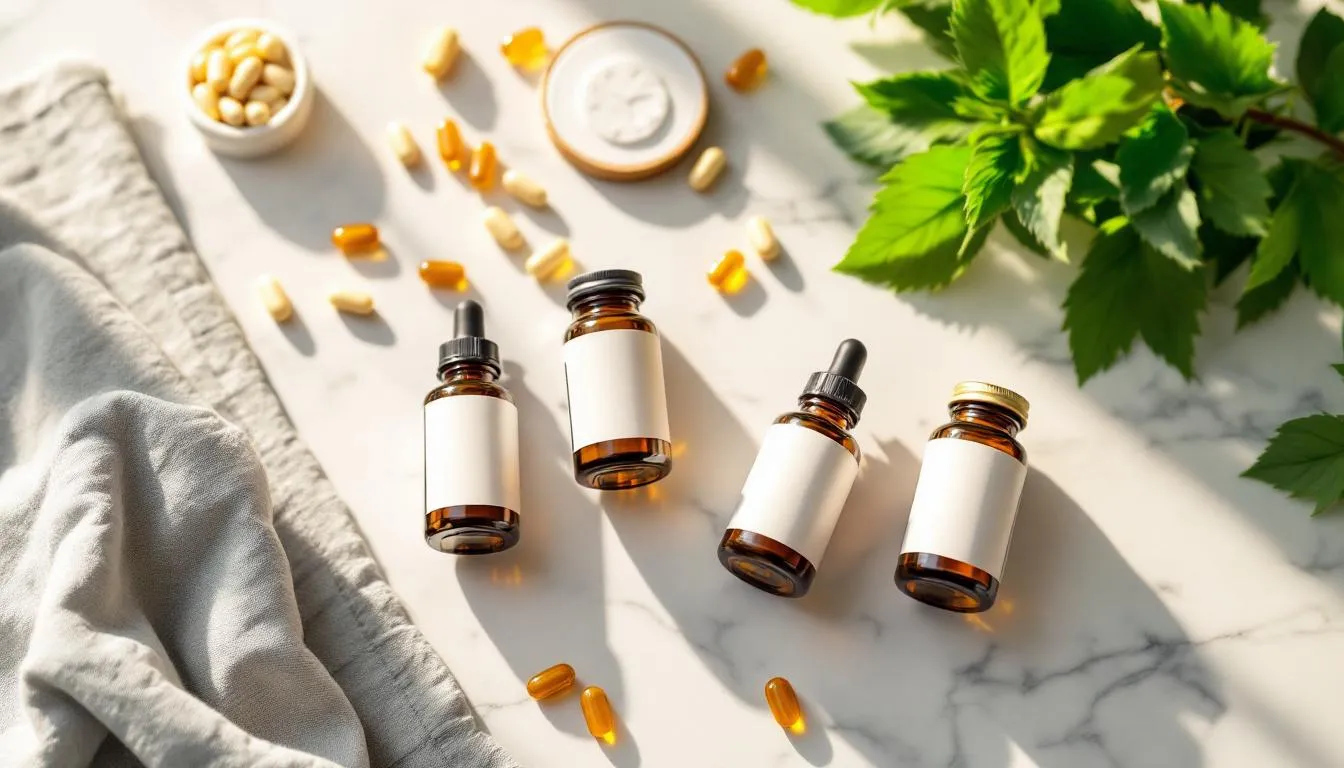
Longevinex (core): 100 mg trans-resveratrol per capsule combined with quercetin, rice bran extract containing IP6 (inositol hexaphosphate), rice bran oil with ferulic acid, sunflower lecithin, vitamin E, and beta-cyclodextrin. One capsule per day.
Longevinex Advantage: The same core formula plus lutein, zeaxanthin, hyaluronic acid, fisetin, beta-glucan, nucleotides, and benfotiamine. A broader anti-aging stack with added focus on eye health, skin hydration, and immune support.
The founder passed away in February 2022, but the company and products continue. His contribution to popularizing resveratrol in longevity circles was significant. He wasn't a PhD or MD. He was a journalist who studied the science obsessively and decided to build a better product.
Why most resveratrol fails: the bioavailability problem
Before getting into what makes Longevinex different, you need to understand why this problem matters.
Resveratrol has approximately 75% oral absorption. That sounds good. But "absorption" isn't the same as "bioavailability." Once resveratrol crosses your intestinal wall, your liver and intestinal enzymes rapidly convert it into glucuronide and sulfate metabolites. These conjugated forms have far weaker biological activity than free resveratrol. The actual plasma levels of unchanged, active resveratrol after a standard 25 mg dose are below 5 nanograms per milliliter.
That's not enough to activate the pathways the research is describing.

SRT501, a pharmaceutical micronized resveratrol used in clinical research, produced a 4x increase in peak plasma levels and nearly 5x increase in area under the curve compared to standard resveratrol. Smaller particles mean more surface area and faster dissolution before the metabolizing enzymes can act on them. That's the principle Longevinex applies.
The Longevinex approach to the bioavailability problem uses three strategies simultaneously:
Micronization: Particles are reduced to less than 5 micrometers. More surface area means faster dissolution and absorption before first-pass metabolism can neutralize the molecule.
Beta-cyclodextrin complexation: Cyclodextrin forms a soluble molecular cage around resveratrol, dramatically improving its water solubility. Resveratrol is hydrophobic by nature. Getting it into solution in your gut is half the battle.
Microencapsulation: The whole formula is protected inside opaque capsule shells that block light. Resveratrol degrades rapidly when exposed to light, heat, or oxygen, converting from the active trans form to the inactive cis form. Most brands don't address this at all.
This isn't marketing. It's straightforward chemistry. And it's why 100 mg of Longevinex can outperform 500 mg of an unprotected, unmicronized competitor.
Trans-resveratrol vs cis-resveratrol: why it matters
Trans-resveratrol is the biologically active form. Cis-resveratrol is roughly 30 times less bioavailable and much less biologically effective.
The problem is that trans-resveratrol converts to cis-resveratrol when exposed to UV light, heat, or oxygen. A bottle sitting on a store shelf under fluorescent lighting is slowly degrading. An unprotected capsule in a clear bottle is worse.
All serious resveratrol research uses trans-resveratrol specifically. If a supplement label doesn't specify "trans-resveratrol," that's a red flag. Longevinex uses 98% pure trans-resveratrol from Giant Knotweed (Polygonum cuspidatum), which is the primary supplement source globally, with the microencapsulation protecting it from degradation through manufacture, storage, and digestion.
The science of resveratrol: how it works
Resveratrol is a stilbenoid polyphenol and phytoalexin. Plants produce it when stressed, infected by fungi, or physically damaged. It's found in red grape skins, blueberries, mulberries, peanuts, and most abundantly in Japanese knotweed root.
Red wine contains resveratrol, but at levels (roughly 1.9 mg per liter on average) far too low to achieve the doses studied in clinical research. The "French paradox" explanation built around wine and resveratrol has always been a stretch.
Sirtuin activation. The pathway that put resveratrol on the longevity map starts here. In 2003, resveratrol was identified as an allosteric activator of SIRT1, a NAD+-dependent deacetylase often called the "longevity enzyme." SIRT1 activity mimics some effects of calorie restriction, which is the most reliably lifespan-extending intervention across species. Resveratrol was shown to increase SIRT1 activity up to 8-fold by lowering the activation threshold for its substrates.
This matters because SIRT1 regulates a cascade of downstream processes: gene silencing, p53 activity (tumor suppression), fatty acid metabolism, cell cycle regulation, and lifespan extension in yeast models. Extended yeast lifespan by 70% in early studies.
NF-kB inhibition. Chronic low-grade inflammation drives most age-related disease. Resveratrol suppresses NF-kB, the master switch for inflammatory signaling, by deacetylating the RelA/p65 subunit at lysine 310. This reduces production of IL-1β, TNF-alpha, and MCP-1, three key inflammatory mediators that rise with age.
AMPK activation. Resveratrol activates AMPK, the cellular energy sensor that also responds to calorie restriction. AMPK activation improves mitochondrial function, enhances insulin sensitivity, promotes autophagy (cellular self-cleaning), and activates PGC-1alpha for mitochondrial biogenesis.
Nrf2 pathway. Resveratrol activates Nrf2, the transcription factor that controls antioxidant defense genes. This is the same pathway activated by compounds like sulforaphane and quercetin.
mTOR inhibition. Resveratrol suppresses mTOR signaling, a pathway whose inhibition extends lifespan in every species it's been tested in. This connects resveratrol to the same longevity mechanisms as rapamycin and calorie restriction.
One important caveat: a 2024 meta-analysis of randomized controlled trials found no significant overall impact on SIRT1 gene or protein expression in humans across all studies. Short-duration studies (under 12 weeks) did show significant increases in SIRT1 gene expression in blood tissue. The direct sirtuin activation story is scientifically messier in humans than in yeast. That doesn't mean resveratrol is useless. It means the full picture is more complex than the 2003 headline suggested.
What the research shows

Longevinex-specific cardioprotection study. Published in the Canadian Journal of Physiology and Pharmacology in 2010, this is one of the few studies on an actual commercial resveratrol formula rather than generic resveratrol. Key findings: hearts treated with Longevinex showed superior cardiac performance, reduced infarct size after ischemia, and significant increases in SIRT1 and SIRT3 after three months of treatment. Longevinex also activated FoxO1, FoxO3a, and FoxO4, transcription factors involved in autophagy and cellular stress resistance.
Critically, the study showed an "L-shaped" safety curve for Longevinex across a very wide dose range (100 to 7,000 mg human equivalent), meaning protection held across doses rather than reversing at higher doses, which is a problem with plain resveratrol formulations.
Longevity gene activation. In a 12-week animal study, Longevinex activated 1,711 longevity genes. For comparison, calorie restriction activated 198, and plain resveratrol activated 225. Nine times more than resveratrol alone. This is the headline finding Longevinex refers to most often, and it's a legitimate data point for why the synergistic formula approach matters, even if the animal-to-human translation always involves uncertainty.
Memory and cognition. 200 mg per day resveratrol enhanced memory performance in healthy overweight older adults, improved glucose metabolism, and improved hippocampal functional connectivity in a clinical study (n=23). This is consistent with the SIRT1 and anti-inflammatory mechanisms.
Eye health. A Longevinex-specific case series of 17 age-related macular degeneration patients found that 16 of 17 showed disappearance of scotomas (blind spots), reduced glare recovery time, improved contrast sensitivity, and improved visual acuity within 3 to 6 weeks. One 96-year-old patient maintained improvements on multi-year follow-up. Resveratrol inhibits VEGF-driven neovascularization, which is the mechanism behind wet AMD progression.
Cardiovascular. Resveratrol enhances endothelial nitric oxide production, reduces arterial stiffness, inhibits platelet aggregation, and reduces LDL oxidation. 150 mg per day has been shown to lower systolic blood pressure. This aligns well with its NF-kB and SIRT1 mechanisms.
Cancer research (with appropriate caveats). A 10-year epidemiological study showed over 50% reduction in breast cancer risk with grape-derived resveratrol. 50 mg twice daily for 12 weeks reduced DNA methylation of the tumor suppressor gene RASSF1A in high-risk women. Clinical evidence is preliminary and inconsistent, and very high doses (5 g per day) caused serious adverse events in a multiple myeloma trial. Don't interpret any of this as therapeutic guidance.
What's actually in the Longevinex capsule
The formula isn't just about resveratrol. It's about why each added ingredient exists.
Quercetin (25 mg). The most important companion to resveratrol. Quercetin inhibits cytochrome P450 enzymes (CYP1A1, CYP1A2) that metabolize resveratrol in the gut, extending resveratrol's half-life and improving tissue distribution. It also inhibits the enzymes that conjugate resveratrol into inactive forms. The result: more active resveratrol reaching target tissues. And the synergy runs both directions: resveratrol reciprocally improves quercetin's cellular uptake. Together, the combination reduces TNF-alpha-stimulated IL-6 secretion more than either compound alone. Longevinex uses a calibrated 5% quercetin ratio, enough to extend resveratrol's activity without dominating the formula.
IP6 via rice bran extract (75 mg). Inositol hexaphosphate (IP6) is a natural immune modulator and antioxidant found in rice bran. It chelates iron and copper, reducing the Fenton reaction that generates damaging hydroxyl radicals. It also has well-documented anti-cancer properties in animal and cell models.
Ferulic acid via rice bran oil (380 mg rice bran oil). Ferulic acid is a phenolic antioxidant that acts synergistically with other antioxidants, boosting their efficacy. It's stable, well-absorbed, and crosses the blood-brain barrier. The relatively large component of rice bran oil in the formula also provides fat for resveratrol absorption, since resveratrol is fat-soluble.
Beta-cyclodextrin. The bioavailability enhancer described above. Forms a soluble inclusion complex with resveratrol molecules, dramatically improving dissolution.
Sunflower lecithin. Another bioavailability aid. Lecithin emulsifies fat-soluble compounds, improving their absorption in the aqueous environment of the gut.
Vitamin E (mixed tocopherols). Antioxidant protection for the formula and the bioactive compounds.
The Longevinex Advantage version adds fisetin, which has its own emerging senolytic research (clearing senescent cells), plus lutein and zeaxanthin for macular protection, hyaluronic acid for joint and skin support, benfotiamine (a fat-soluble B1 for anti-glycation), and beta-glucan for immune modulation. It's a broader stack for people wanting more comprehensive coverage.
If you want to understand how these compounds interact before stacking, the supplement interaction checker can flag combinations worth watching.
Dosage and how to take it
The standard Longevinex dose is one capsule per day (100 mg trans-resveratrol plus the synergistic formula). This is more conservative than David Sinclair's personal protocol of 1,000 mg per day of plain resveratrol, but Longevinex's argument is that 100 mg of their formula outperforms 1,000 mg of plain resveratrol due to the bioavailability enhancements and synergistic activation of more longevity pathways.
Sinclair mixes his plain resveratrol into yogurt specifically because fat improves absorption of this hydrophobic molecule. With Longevinex, the rice bran oil component and lecithin in the formula handle this, though taking it with a meal containing healthy fats remains a good practice.
Timing: Take with a fatty meal. Morning or midday works well. There's no strong evidence for a specific time advantage.
Cycling: Longevinex doesn't prescribe cycling. The available clinical studies have used continuous daily dosing for 12 to 24 weeks without noting concerns about receptor downregulation or tolerance.
Stacking. Resveratrol works well alongside NMN because the two compounds target connected pathways. SIRT1 requires NAD+ as a cofactor to function. NMN boosts NAD+ levels, which provides the substrate for SIRT1 activity. More NAD+ plus more SIRT1 activation is the theory behind Sinclair's resveratrol and NMN combination. If you want to understand which combination makes most sense for your goals, WinAging's protocol builder can map this out based on your specific profile.

Resveratrol also pairs well with quercetin, though Longevinex already includes quercetin in the formula. Adding additional quercetin on top is probably redundant at the core dose.
Side effects and who should avoid it
Resveratrol is generally well-tolerated at doses up to 1,000 mg per day. At 100 mg per day, adverse effects are uncommon.
Common side effects at higher doses:
- Nausea, gas, abdominal discomfort, diarrhea
- Usually resolve with dose reduction or taking with food
Drug interactions to know:
- Blood thinners (warfarin, aspirin, clopidogrel): High-dose resveratrol enhances anticoagulant activity of warfarin. At 100 mg per day the risk is low, but anyone on anticoagulants should check with their physician before starting.
- Cancer treatments: Resveratrol may interfere with certain chemotherapy drugs. Don't take without oncologist guidance if you're in treatment.
Contraindications:
- Hormone-sensitive cancers (breast, uterine, ovarian): Resveratrol has weak estrogen-like activity. Avoid or consult a physician.
- Endometriosis or uterine fibroids.
- Surgery: Stop 2 weeks before and 2 weeks after any planned surgery due to blood-thinning effects.
- Pregnancy: Insufficient safety data; avoid.
G6PD deficiency isn't a known concern for resveratrol (this is more relevant to methylene blue), but blood-thinning interactions are real enough to take seriously.
How Longevinex compares to other resveratrol brands
Most resveratrol supplements fail the basic quality tests before you even open the bottle. They use uncoated, unmicronized trans-resveratrol in clear bottles. Within weeks on a store shelf, significant degradation has already occurred.
vs. generic resveratrol: Standard supplements offer no bioavailability enhancement, no synergistic formula, and no light protection. You're paying for molecules that mostly won't reach their targets.
vs. David Sinclair's approach: Sinclair takes 1,000 mg of plain resveratrol per day mixed into yogurt, alongside 1,000 mg NMN. This is a brute-force approach to the bioavailability problem. More resveratrol in means more makes it through even with poor absorption rates. It works, but it's expensive and wasteful. Longevinex's position is that 100 mg of their formula activates more longevity pathways due to the synergistic ingredients and bioavailability enhancements.
vs. other advanced formulas: Troscriptions makes a pure trans-resveratrol buccal troche optimized for sublingual absorption, which is a different engineering solution to the same bioavailability problem. No synergistic formula, but a clever delivery mechanism. For pure-dose seekers, it's worth comparing.
The key question isn't just milligrams. It's how much active resveratrol reaches your cells and what it does when it gets there. On both counts, Longevinex has done more work to answer that question than most.
Quercetin and resveratrol: the synergy that makes Longevinex work
This deserves its own section because it's central to Longevinex's formula design.
Quercetin inhibits CYP1A1, CYP1A2, and glucuronidase enzymes that break down resveratrol in the gut and liver. The result is more resveratrol surviving long enough to reach target tissues. Resveratrol, in turn, improves quercetin's cellular uptake mechanisms. They're genuinely bidirectional.
Combined quercetin and resveratrol reduced all fat depots in animal studies while neither compound alone produced significant reductions. The combination activates AMPKalpha1/SIRT1 signaling and reduces obesity-associated inflammation more effectively than either alone.
In human ocular surface epithelial cells, quercetin and resveratrol together decreased inflammatory and oxidative responses beyond what either achieved separately. This connects directly to the AMD findings reported in Longevinex users.
The 5% quercetin ratio in Longevinex (25 mg quercetin to 100 mg resveratrol) is a calibrated choice. Enough to extend resveratrol's activity. Not so much that it shifts the formula's primary mechanism away from resveratrol's sirtuin and mTOR pathways.
Check how quercetin interacts with your other supplements if you're building a broader stack around Longevinex.
Who should consider Longevinex
Good candidates:
- Adults 40+ focused on cardiovascular health, cognitive aging, and longevity
- People already using NMN or NAD+ precursors who want to activate the sirtuin pathway alongside NAD+ support
- Those with a family history of macular degeneration (especially Longevinex Advantage)
- Biohackers who've tried generic resveratrol without noticeable effects and suspect the bioavailability issue is real
Who should be cautious or avoid:
- Anyone on warfarin or other anticoagulants (consult prescriber first)
- Hormone-sensitive cancer history
- Anyone in active cancer treatment (consult oncologist)
- Planning surgery within two weeks
- Pregnant or breastfeeding women
If you're building a full longevity stack and want to understand where resveratrol fits relative to NMN, berberine, and other compounds, WinAging's free tools and the AI protocol builder can help you prioritize based on your goals and age.
Frequently asked questions
Is Longevinex the best resveratrol supplement?
It's one of the best-researched. It has peer-reviewed studies on the actual formula (not just generic resveratrol), a patented delivery system, and a 20-year track record. Whether it's "best" depends on your goals. For cardiovascular and longevity purposes, its combination formula is hard to match. For pure high-dose resveratrol, other options exist.
How does Longevinex compare to just eating red grapes or drinking wine?
Red wine averages about 1.9 mg of trans-resveratrol per liter. A 100 mg Longevinex capsule is roughly equivalent to 50 liters of red wine. You can't drink your way to therapeutic doses. The supplement route is the only practical option.
Should I take Longevinex with NMN?
The combination makes mechanistic sense. NMN raises NAD+ levels, which provides the fuel for SIRT1 to function. Resveratrol activates SIRT1. More substrate plus more activation of the enzyme that uses that substrate is a reasonable approach. That's essentially Sinclair's protocol. Whether it produces meaningful synergy in humans at commonly used doses is still being studied.
Can I take Longevinex if I'm on blood pressure medication?
Resveratrol can lower blood pressure modestly. If you're already on medication, consult your prescriber to monitor for additive effects. It's not an absolute contraindication, but worth flagging.
How long does it take to see effects?
The Longevinex AMD case series showed improvements in 3 to 6 weeks. The cardioprotection study ran 3 months. Expect a minimum of 8 to 12 weeks for systemic effects. Resveratrol isn't a supplement you'd evaluate after two weeks.
Can I take Longevinex with berberine?
There's no known negative interaction. Both activate AMPK, which could produce additive effects on insulin sensitivity and cellular energy signaling. If you're taking berberine, the combination is reasonable. Use the supplement interaction checker to verify against your full stack.
Is 100 mg enough or should I take more?
Longevinex's position is that 100 mg of their formula outperforms much higher doses of plain resveratrol due to the bioavailability enhancements. The clinical studies on generic resveratrol use 150 to 1,000 mg per day. If you want higher doses, Longevinex would suggest their formula still holds advantages over competitors at any comparable dose.
Related guides
- Why I stopped taking NMN: what to know before you quit
- USP grade methylene blue: why purity matters
- Best berberine supplement: complete guide
- Supplement interaction checker
- Biological age calculator
Sources
- Longevinex cardioprotection study, Canadian Journal of Physiology and Pharmacology (2010)
- Resveratrol anti-aging potentials, PMC review
- SIRT1 and resveratrol in aging, PMC (2024)
Resveratrol is one of the most studied longevity molecules in history. The science is real. The bioavailability problem is also real. Longevinex is the most serious attempt from a supplement brand to engineer around that problem with actual clinical data behind their specific formula, not just the generic molecule.
If you're already taking NMN and want to activate the sirtuin pathway it supports, this is a logical addition. If you're new to longevity supplementation and want a starting point, explore what the research actually supports or build a stack tailored to your biology with the WinAging protocol builder.