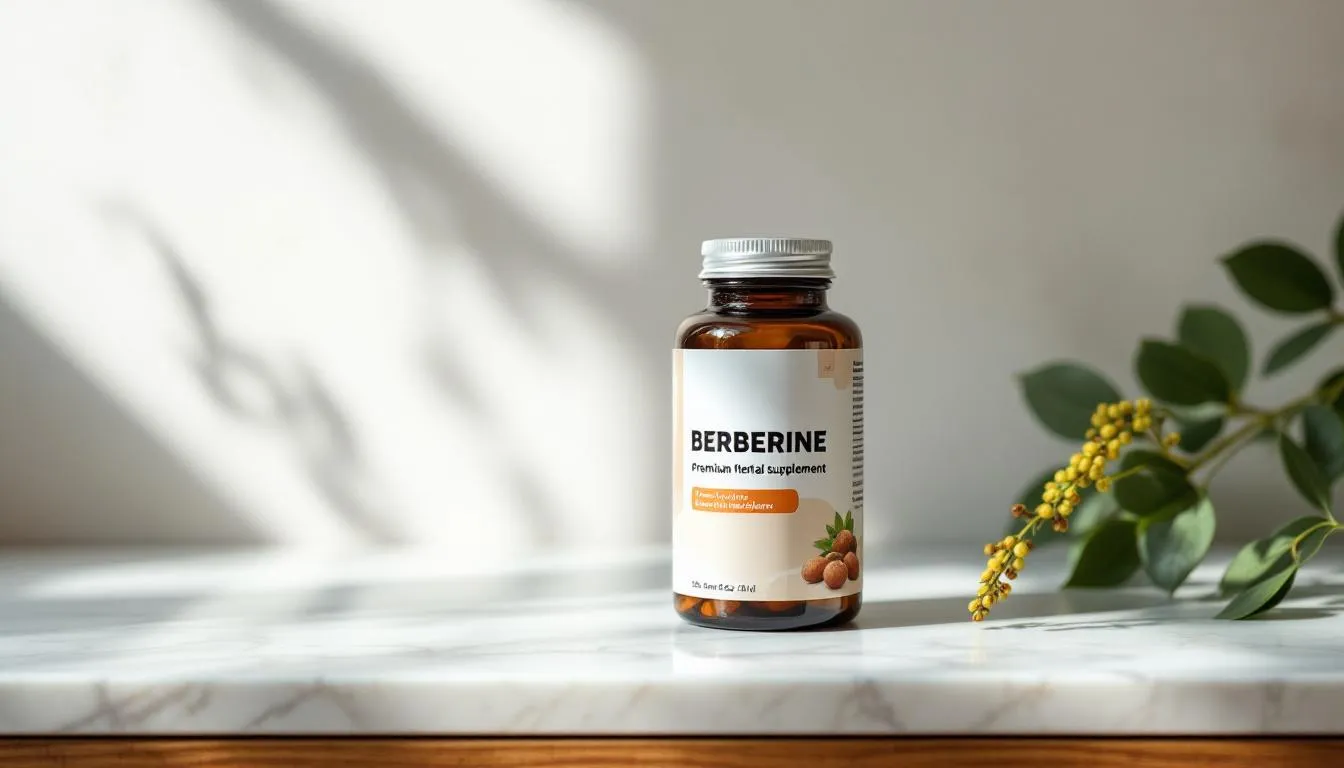
Designs for Health Berberine Synergy: Full Review
Designs for Health Berberine Synergy pairs 400mg berberine HCl with alpha lipoic acid. Here's the formula breakdown, dosing guide, and who should buy it.

import { QuickAnswerBox, TipBox, WarningBox, FAQSection, RelatedGuides, DataTable, InfoBox, NumberedSteps } from '@/components/articles'
Designs for Health is the kind of brand that functional medicine doctors keep stocked in their offices. Not because of marketing. Because their products actually hit clinical doses with clean ingredients.
Their Berberine Synergy is a good example of this. It's not a complicated formula. Two active ingredients: berberine HCl at 400mg per capsule, and alpha lipoic acid (ALA) at 200mg per capsule. That's it. No proprietary blends. No fillers dressed up with fancy names. Just two compounds that target the same metabolic bottlenecks through different mechanisms, paired together in one capsule.
If you've been researching berberine and landed on Designs for Health as a potential option, this review covers everything worth knowing. The formula, the science behind why these two compounds work together, the dosing protocol, who it's right for, what to watch out for, and how it stacks up against other berberine products on the market.
<QuickAnswerBox title="Quick answer: is Designs for Health Berberine Synergy worth it?" answer="Yes, for most people seeking quality berberine. The formula delivers therapeutic doses of both berberine HCl (400mg) and alpha lipoic acid (200mg), avoids unnecessary fillers, and comes from a practitioner-grade brand with rigorous third-party testing. It's more expensive than budget berberine options but appropriate for those who want clinical-quality dosing." stats={[ { value: "400mg", label: "Berberine HCl per capsule" }, { value: "200mg", label: "Alpha lipoic acid per capsule" }, { value: "60", label: "Capsules per bottle" }, { value: "#1", label: "Practitioner supplement brand (functional medicine)" } ]} />
What Designs for Health actually is
Before getting into Berberine Synergy specifically, some context on the brand matters.
Designs for Health was founded in 1989. They sell exclusively through healthcare practitioners, which means you typically need to go through a licensed provider or authorized reseller to access their products. That model isn't just a business decision. It reflects a philosophy: these formulations are designed to be used under professional guidance, and the company invests in practitioner education alongside product development.
The result is a product line that sits a tier above most retail supplements. DFH consistently ranks as the number one practitioner supplement brand recommended and personally trusted by functional medicine professionals. Their quality control involves independent third-party testing for purity, potency, and contaminant screening.
This matters for berberine specifically. A 2024 ConsumerLab analysis found that nearly 60% of berberine supplements failed independent quality testing. Some contained half the active ingredient claimed on the label. Others had contamination concerns. When you're taking a metabolically active compound like berberine three times a day, that variability isn't a minor issue. It changes whether the product works at all.
With DFH, you're paying a premium, but you're paying for actual quality assurance, not just a label claim.

The formula: berberine HCl + alpha lipoic acid
Berberine Synergy uses two ingredients. Understanding why each one is there, and why they're combined, is the whole story.
Berberine HCl (400mg)
Berberine is an alkaloid found in plants including Berberis aristata (Indian barberry), goldenseal, Oregon grape, and coptis. It's been used in traditional Chinese and Ayurvedic medicine for over 3,000 years. The modern longevity and metabolic health community cares about it because of what it does at the cellular level.
The primary mechanism is AMPK activation. AMPK (AMP-activated protein kinase) is your body's master metabolic sensor. It turns on when cellular energy drops, like during fasting or intense exercise, and triggers a cascade of metabolic improvements: better glucose uptake, reduced fat synthesis, improved insulin sensitivity, and suppressed mTOR. Berberine mimics this state by inhibiting mitochondrial complex I, which shifts the cellular energy ratio and flips on AMPK.
This is why berberine is often compared to metformin. The mechanisms overlap significantly. A landmark clinical trial published in Metabolism found that 500mg berberine three times daily was comparable to metformin at reducing HbA1c in people with type 2 diabetes. HbA1c dropped from 9.5% to 7.5% over three months. Multiple meta-analyses have since confirmed this finding across thousands of patients.
The lipid effects are equally compelling. Clinical data shows berberine reduces total cholesterol by around 21 mg/dL, triglycerides by 24 mg/dL, and LDL by 10 mg/dL. For a plant compound without a pharmaceutical price tag, those are serious numbers.
For the WinAging audience focused on longevity, the mechanism worth noting is mTOR suppression. AMPK activation downregulates mTOR, the growth and proliferation pathway that accelerates aging when chronically elevated. This is the same pathway targeted by rapamycin, one of the most studied longevity compounds. Berberine achieves a milder version of this effect, and animal studies show extended lifespan in models treated with berberine. The longevity connection is mechanistically solid, even if human trials haven't yet quantified the lifespan extension directly.
Berberine HCl is the specific salt form used in the DFH formula and in the majority of clinical research. It's the most bioavailable standard form, and the research supporting berberine is based almost entirely on the HCl form at doses of 400–500mg per serving.
Alpha lipoic acid (200mg)
Alpha lipoic acid is a sulfur-containing fatty acid that acts as a cofactor for mitochondrial energy production and as a potent antioxidant. What makes it unusual compared to other antioxidants is that it's both fat-soluble and water-soluble, meaning it can work in cellular membranes and in the cytoplasm. It also regenerates other antioxidants, including vitamin C, vitamin E, and glutathione, which is why some researchers call it the "network antioxidant."
But the reason it belongs next to berberine is the metabolic overlap.
ALA independently activates AMPK through a mechanism distinct from berberine. It also improves insulin signaling, reduces oxidative stress in cells, and supports mitochondrial function. Animal studies have shown significant reductions in fasting glucose, improvements in insulin sensitivity, and reductions in body weight with ALA supplementation. Human clinical trials have confirmed the blood sugar effects, particularly in patients with diabetic neuropathy.
The combination with berberine is strategic. Both compounds are hitting the same metabolic targets (AMPK, insulin sensitivity, glucose regulation) but through different pathways. ALA's antioxidant activity also addresses one of berberine's limitations: oxidative stress from metabolic dysfunction. High blood sugar generates reactive oxygen species that damage cells and tissues. ALA neutralizes that damage directly.
At 200mg per capsule, the DFH formula delivers a clinically meaningful dose. Most therapeutic ALA protocols use 300–600mg daily, so two capsules of Berberine Synergy reaches that range while also delivering 800mg of berberine.
For a complete breakdown of how these two compounds interact, check out the berberine and alpha lipoic acid guide on WinAging.
Dosing Designs for Health Berberine Synergy
The standard DFH protocol is 1–2 capsules twice daily with meals. Here's what that means in practice.
Starting dose (1 capsule twice daily):
- 800mg berberine HCl daily
- 400mg alpha lipoic acid daily
- Total: 2 capsules per day, 30-day supply per bottle
Full dose (2 capsules twice daily):
- 1,600mg berberine HCl daily
- 800mg alpha lipoic acid daily
- Total: 4 capsules per day, 15-day supply per bottle
Most clinical trials on berberine used 500mg three times daily (1,500mg total). The DFH protocol at 2 capsules twice daily delivers 1,600mg, which is within the therapeutic range. Starting at 1 capsule twice daily is sensible if you're berberine-naive, as GI side effects are dose-dependent.
<NumberedSteps title="How to start Designs for Health Berberine Synergy" steps={[ { title: "Start low for the first two weeks", description: "Begin with 1 capsule twice daily (400mg berberine, 200mg ALA per dose). This gives your gut time to adjust and reduces the risk of nausea or loose stools." }, { title: "Take with meals, not on an empty stomach", description: "Berberine is absorbed better with food and causes significantly less GI discomfort when taken alongside a meal. Breakfast and dinner work well for most people." }, { title: "Increase to 2 capsules twice daily after two weeks", description: "If you tolerate the starter dose well, increase to 2 capsules twice daily. This puts you at the upper range of clinical trial dosing for berberine." }, { title: "Check blood glucose if you're monitoring metabolic markers", description: "Berberine significantly lowers blood sugar. If you're tracking fasting glucose or HbA1c, expect to see measurable changes within 4–8 weeks at full dosing." }, { title: "Cycle if using long-term", description: "Some practitioners recommend cycling berberine (e.g., 8 weeks on, 4 weeks off) for long-term use, as berberine affects gut bacteria and metabolic adaptation may reduce effects over time." } ]} />
What Berberine Synergy is used for
The DFH product page positions Berberine Synergy primarily around cardiometabolic health, which is accurate but undersells the applications. Here's what people actually use it for.
Blood sugar management
This is the primary use case with the strongest clinical evidence. Berberine at therapeutic doses consistently reduces fasting blood glucose, two-hour postprandial glucose, and HbA1c. A 2025 meta-analysis of randomized controlled trials confirmed berberine significantly improves all three markers compared to placebo, with effect sizes comparable to first-line diabetes medications.
For people with prediabetes or metabolic syndrome, this is a serious intervention, not a wellness add-on. WinAging's supplement interaction checker is worth running if you're already on any blood sugar medications before adding Berberine Synergy.
Lipid and cardiovascular health
Berberine reduces LDL, total cholesterol, and triglycerides while slightly improving HDL. The mechanism involves both AMPK-mediated lipid metabolism and upregulation of LDL receptor expression in the liver. For people with borderline cholesterol who want to avoid statins, berberine is one of the most evidence-backed natural alternatives. Alpha lipoic acid adds cardiovascular benefit through antioxidant protection of LDL against oxidation.
Weight and metabolic support
Berberine reduces body weight by 1–3 kg in clinical trials, partly through appetite modulation and partly through improved metabolic efficiency. It's not a weight loss drug in the dramatic sense, but for people with insulin resistance contributing to weight gain, correcting the underlying metabolic problem tends to help with body composition.
Longevity and cellular health
Berberine's AMPK activation and mTOR suppression make it part of many longevity stacks. If you want to understand where it fits alongside other longevity compounds, the WinAging protocol builder can help you design a stack based on your specific goals and existing supplement use.
Neuropathy and nerve support
Alpha lipoic acid has the strongest clinical evidence for diabetic peripheral neuropathy of any natural compound. The ALA component in Berberine Synergy is part of why some practitioners use this product specifically for metabolic syndrome with neuropathy features.

Side effects and safety
Berberine and alpha lipoic acid are both well-tolerated in clinical trials, but there are real considerations worth knowing.
Gastrointestinal effects: The most common side effects are bloating, constipation, diarrhea, and nausea, especially at higher doses or when starting out. These are dose-dependent and typically resolve within two weeks. Taking with food helps significantly.
Low blood sugar: At therapeutic doses, berberine lowers blood glucose meaningfully. If you're not diabetic, this is usually fine. If you are diabetic or taking blood sugar medications, the combined effect requires monitoring.
Drug interactions: Berberine inhibits several liver enzymes involved in drug metabolism. Most relevant is the interaction with cyclosporine (used in organ transplant patients), certain antibiotics, and some cholesterol medications. Run any combination through the supplement interaction checker first.
Pregnancy and breastfeeding: Berberine is not recommended during pregnancy or breastfeeding. Animal studies and limited human data suggest potential risks that make avoidance the appropriate choice.
Long-term use: Berberine affects gut microbiota. Some practitioners recommend cycling to preserve microbiome diversity and prevent desensitization. Eight weeks on, four weeks off is a common approach.
How it compares to other berberine products
Designs for Health Berberine Synergy occupies a specific tier in the berberine market. Here's how it actually stacks up.
vs. standard berberine HCl (500mg, solo): Most budget berberine products give you 500mg berberine HCl and nothing else. That gets the job done. But you're missing the ALA synergy and the quality assurance. For people who just want basic berberine, standalone 500mg HCl from a third-party tested brand works. For people who want the ALA combination, DFH's formula is a clean choice.
vs. berberine phytosome: Berberine phytosome (like Thorne's Berberine or GlycoPhyte) uses a phospholipid-complexed form that improves bioavailability significantly. If absorption is the priority, phytosome wins. But it's more expensive per dose, and the research base for berberine phytosome, while growing, is thinner than for HCl. Read the berberine phytosome guide for a full comparison.
vs. dihydroberberine: Dihydroberberine is a reduced form of berberine that absorbs roughly five times better than standard HCl. For people with severe GI sensitivity or who need lower capsule counts, it's worth considering. The tradeoff is cost and that it converts back to berberine after absorption anyway.
vs. other combination berberine products: Some brands combine berberine with inositol, cinnamon, or chromium. These target blood sugar through different angles. See the berberine and inositol guide if that combination interests you.
The honest assessment: DFH Berberine Synergy is a solid, practitioner-grade formula with clinical doses of both actives. It's not the cheapest option and it's not the highest-bioavailability option. It's the cleanest, most reliable version of the berberine + ALA combination on the market.

Who should buy Designs for Health Berberine Synergy
This product is a good fit in several specific situations.
You're managing prediabetes or metabolic syndrome and want clinical-quality berberine without a prescription. The DFH formula hits the doses used in clinical trials and adds ALA for antioxidant and metabolic support.
Your doctor or functional medicine practitioner has recommended it. DFH is a practitioner brand specifically. If someone with clinical training pointed you here, the recommendation reflects both the formula quality and familiarity with your specific health context.
You're stacking berberine with other longevity compounds and want the combination formula handled in one product. Getting your berberine and ALA in a single capsule simplifies dosing.
You've tried budget berberine and had GI issues. Higher-quality berberine from a verified source is less likely to contain contaminants or inaccurate dosing that can worsen side effects.
You want to build a more comprehensive longevity protocol around berberine. The WinAging AI protocol builder can put Berberine Synergy in context with your full supplement stack and help you understand what else is worth adding based on your goals.
It might not be right for you if: you need the highest possible bioavailability (consider phytosome or dihydroberberine forms), you're on a tight budget (standard berberine HCl from a tested brand is half the price), or you're already taking a high-dose ALA supplement separately (you'd be doubling up on ALA unnecessarily).
Sourcing and availability
DFH products are sold through licensed healthcare practitioners, authorized dispensaries, and some supplement retailers. You can find Berberine Synergy through Fullscript (if your practitioner has a dispensary there), through supplement-focused retailers like iHerb, or directly through the Designs for Health website with a practitioner access code.
The standard bottle is 60 vegetarian capsules. At 2 capsules daily (starter dose), that's a 30-day supply. At 4 capsules daily (full dose), it's 15 days. Plan your order quantities accordingly.
Frequently asked questions
<FAQSection faqs={[ { question: "What is Designs for Health Berberine Synergy used for?", answer: "Berberine Synergy is primarily used for blood sugar management, insulin sensitivity, lipid support, and cardiovascular health. The combination of berberine and alpha lipoic acid targets cardiometabolic health through complementary mechanisms, both activating AMPK and improving glucose metabolism." }, { question: "How much berberine is in Designs for Health Berberine Synergy?", answer: "Each capsule contains 400mg of berberine HCl and 200mg of alpha lipoic acid. At 2 capsules twice daily (the full therapeutic dose), you're getting 1,600mg of berberine and 800mg of ALA per day." }, { question: "Can I take Designs for Health Berberine Synergy with metformin?", answer: "This requires medical supervision. Both berberine and metformin lower blood glucose through overlapping mechanisms (AMPK activation), so combining them can cause hypoglycemia. Some practitioners do use this combination at reduced doses with monitoring, but don't combine them without discussing it with your doctor first. Use the supplement interaction checker to flag the combination before adding berberine." }, { question: "Is Designs for Health Berberine Synergy third-party tested?", answer: "Yes. Designs for Health uses independent third-party testing for purity and potency across their product line. As a practitioner-grade brand, their quality control standards are significantly higher than most retail supplements. The product is also non-GMO, gluten-free, soy-free, dairy-free, vegan, and vegetarian." }, { question: "How does Berberine Synergy compare to standalone berberine supplements?", answer: "The main difference is the added alpha lipoic acid (ALA). ALA amplifies berberine's AMPK activation through a separate pathway, adds antioxidant protection, and supports mitochondrial function. Standalone berberine at 500mg HCl is cheaper and still effective. Berberine Synergy is better for people who want the combination formula handled in one product with practitioner-grade quality assurance." }, { question: "When is the best time to take Designs for Health Berberine Synergy?", answer: "Take it with meals. Berberine's blood-sugar-lowering effect is most useful when glucose load is high (around meals), and food reduces GI side effects significantly. Most people do well taking it with their two largest meals of the day." }, { question: "What are the side effects of Designs for Health Berberine Synergy?", answer: "The most common side effects are gastrointestinal: bloating, diarrhea, constipation, and nausea. These are dose-dependent and typically improve within two weeks. Starting at a lower dose (1 capsule twice daily) and always taking with food minimizes these effects. Berberine also lowers blood sugar, which matters if you're on diabetes medications." }, { question: "Does Designs for Health Berberine Synergy help with weight loss?", answer: "Berberine modestly reduces body weight (typically 1-3 kg in clinical trials), primarily by improving insulin sensitivity and metabolic efficiency. It's not a dedicated weight loss supplement. But for people whose weight issues stem from insulin resistance or poor blood sugar control, berberine addresses the underlying metabolic problem and body composition often improves as a result." } ]} />
Related guides
<RelatedGuides guides={[ { title: "Berberine and alpha lipoic acid: stacking guide", href: "/blog/berberine-and-alpha-lipoic-acid" }, { title: "Best berberine supplement: complete buyer's guide", href: "/blog/best-berberine-supplement" }, { title: "Berberine synergy: best supplements to stack with berberine", href: "/blog/berberine-synergy" }, { title: "Berberine phytosome supplements: absorption guide", href: "/blog/berberine-phytosome-supplements" }, { title: "Supplement interaction checker", href: "/tools/supplement-interaction-checker" } ]} />
Sources
- Frontiers in Pharmacology: Efficacy and safety of berberine on metabolic syndrome components (2025)
- PubMed: Berberine glycemic control meta-analysis
Designs for Health Berberine Synergy is not a miracle product. No supplement is. But it's a clean, clinically dosed formula that combines two compounds with strong evidence bases, from a brand that actually verifies what's inside the capsule.
If you're using berberine for metabolic health, the ALA addition is a meaningful upgrade over standalone formulas. If you're building a longevity protocol around berberine, it fits well as a foundation compound. Use the WinAging supplement interaction checker before adding anything to an existing stack, and check the biological age calculator to track where your metabolic health stands before and after starting.